Understanding how to budget a flip can mean the difference between a profitable investment and a costly mistake. Real estate investors who master renovation cost planning typically see better returns while avoiding the financial pitfalls that plague inexperienced flippers. With proper rehab budget steps and investor cost control measures, you can navigate the complexities of house flipping while protecting your profit margins. The key lies in establishing clear financial boundaries before you purchase your first property and maintaining discipline throughout the renovation process.
Pre-Purchase Budget Assessment Checklist
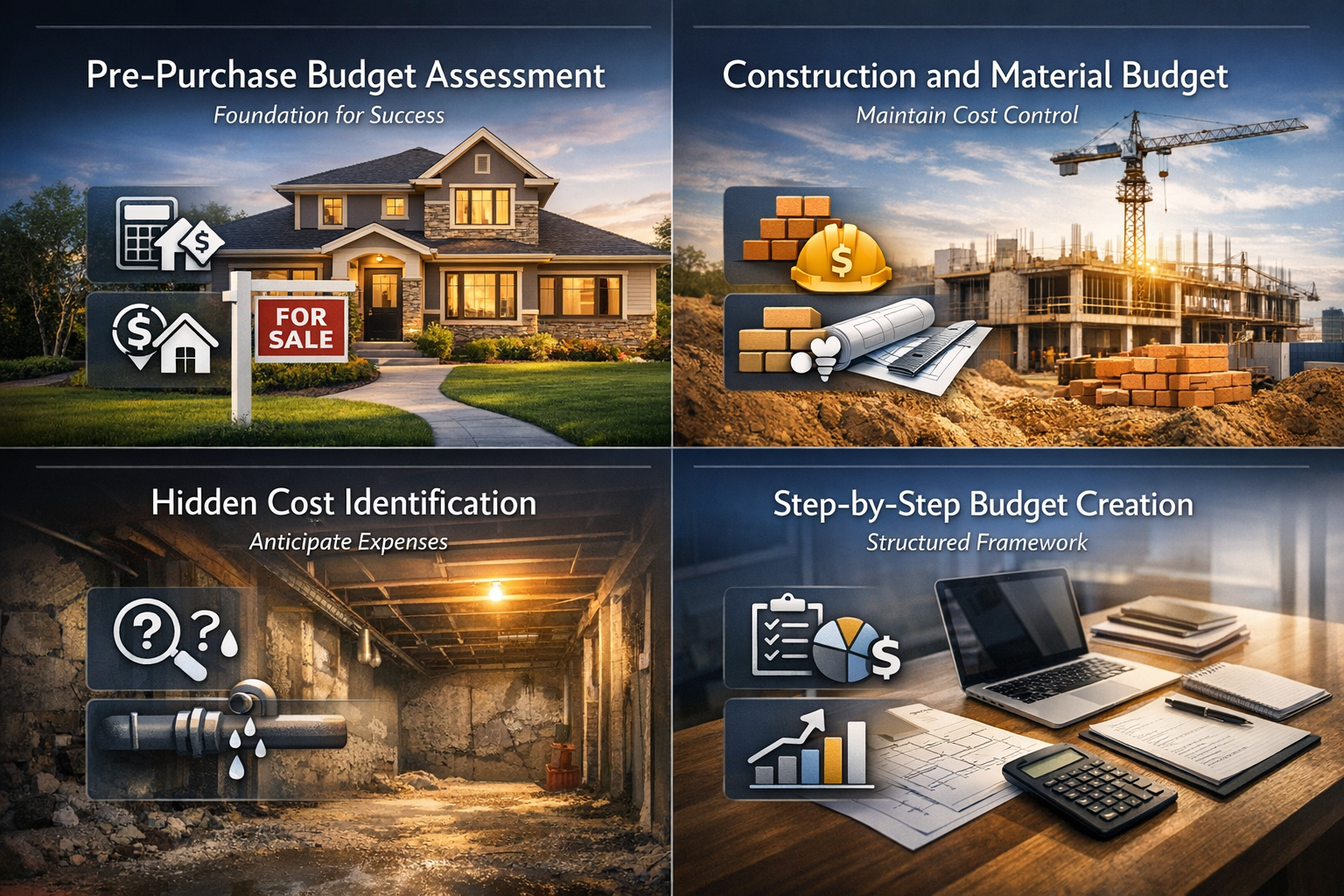
Your pre-purchase budget assessment forms the foundation of successful flip budgeting. Before making any property acquisition decisions, investors should evaluate several critical financial factors that will impact the overall project profitability.
Property Purchase Price Analysis: Research comparable sales in the area and determine the maximum acquisition cost that allows for profitable margins after renovation and holding costs.
After Repair Value Estimation: Calculate realistic resale values based on recently sold comparable properties in similar condition to establish your profit potential.
Initial Renovation Cost Estimate: Conduct thorough property inspections to identify major repair needs, structural issues, and cosmetic improvements required for market readiness.
Financing Options Evaluation: Compare bridge loans, fix and flip financing, and other investor-focused loan products to determine the most cost-effective funding approach.
Market Timing Considerations: Assess current market conditions, seasonal trends, and projected holding periods to factor in carrying costs and market risk.
Construction and Material Budget Framework
A well-structured construction and material budget framework helps investors maintain cost control throughout the renovation process. This systematic approach to renovation cost planning ensures that every dollar spent contributes to the property's marketability and profit potential.
Priority-Based Renovation Categories: Separate must-have structural repairs from cosmetic improvements, allowing you to allocate funds based on safety requirements and market impact.
Contractor Bid Comparison System: Obtain multiple quotes for major work categories and establish clear scope definitions to prevent cost overruns during construction phases.
Material Cost Research: Track current pricing for flooring, fixtures, appliances, and finishes to create accurate budget projections and identify potential savings opportunities.
Contingency Fund Allocation: Reserve funds for unexpected discoveries during renovation, typically accounting for 10-20% of total renovation costs depending on property age and condition.
Hidden Cost Identification Strategy
Hidden costs can quickly erode flip profits if not properly anticipated in your initial budget planning. Experienced investors develop systematic approaches to identify and budget for these often-overlooked expenses that can impact project profitability.
Permit and Inspection Fees: Research local building department requirements and associated costs for electrical, plumbing, and structural work to avoid surprise expenses during renovation.
Utility Connection and Service Costs: Factor in utility deposits, temporary service fees, and any necessary upgrades to electrical or gas service that may be required.
Holding Cost Calculations: Include property taxes, insurance, utilities, and loan payments for the entire renovation and marketing period in your budget projections.
Marketing and Transaction Expenses: Account for staging costs, professional photography, real estate commissions, and closing costs that occur during the sale process.
Step-by-Step Budget Creation Process
Creating an effective flip budget requires a systematic approach that accounts for all project phases. These rehab budget steps provide a structured framework for developing comprehensive financial projections.
Establish Total Investment Limits: Determine your maximum all-in cost based on after-repair value calculations, typically targeting around 10% of the purchase price for renovation expenses on standard flip projects.
Categorize All Expense Types: Create detailed categories for acquisition costs, renovation expenses, carrying costs, and disposition fees to ensure comprehensive budget coverage.
Develop Detailed Line Item Estimates: Break down each renovation category into specific tasks with individual cost projections, creating accountability and tracking mechanisms.
Build in Contingency Buffers: Add appropriate contingency percentages to each major category, with higher percentages for older properties or more complex renovations.
Create Cash Flow Timeline: Map expense timing throughout the project to ensure adequate funding availability and avoid costly financing gaps.
Budget Monitoring and Control Systems
Effective budget monitoring and control systems help investors maintain financial discipline throughout their flip projects. These investor cost control measures provide early warning signs when expenses begin to exceed projections.
Weekly Expense Tracking: Implement regular cost review meetings to compare actual expenses against budget projections and identify trending issues early.
Change Order Management: Establish formal procedures for approving scope changes and additional work, ensuring all modifications receive proper cost analysis before approval.
Vendor Payment Controls: Create systematic approval processes for all contractor payments, verifying work completion and quality standards before releasing funds.
Progress Milestone Reviews: Conduct formal budget reviews at key project phases to assess overall financial health and make necessary adjustments to remaining work.
Key Investor Takeaways for Successful Flip Budgeting
Mastering how to budget a flip requires discipline, research, and systematic planning approaches. Successful investors typically spend around 10% of a property's purchase price on renovations, though this percentage may vary based on property condition and market positioning strategies. The most profitable flippers understand that effective renovation cost planning begins before property acquisition and continues throughout the entire project lifecycle. By implementing structured rehab budget steps and maintaining strict investor cost control measures, you can minimize financial surprises and maximize your return on investment. Remember that every dollar saved through careful budgeting house flips directly improves your bottom line profitability.
Learning how to budget a flip effectively separates successful real estate investors from those who struggle with cost overruns and reduced profits. The combination of thorough pre-purchase analysis, detailed renovation cost planning, and systematic budget monitoring creates a foundation for consistent flip profitability. As you develop your flip budgeting skills, remember that each project provides valuable learning opportunities that will improve your future investment decisions. Whether you're using bridge loans, fix and flip financing, or other investor-focused loan products, maintaining strict budget discipline ensures that your financing costs don't erode your profit margins. Start your next flip project with confidence by implementing these proven budgeting strategies and cost control measures.