The fix and flip loan process can make or break your real estate investment success. Understanding each step from initial qualification through project completion helps you secure funding efficiently and manage renovation projects effectively. This comprehensive guide walks you through the essential stages, requirements, and timelines that shape successful fix and flip financing. Whether you're evaluating your first flip opportunity or expanding your investment portfolio, mastering this process typically determines your ability to capitalize on time-sensitive deals and maximize returns on renovation projects.
Pre-Application Qualification Requirements
Before starting the fix and flip loan process, investors must meet specific qualification criteria that lenders evaluate carefully. These requirements help determine your eligibility and loan terms for renovation financing.
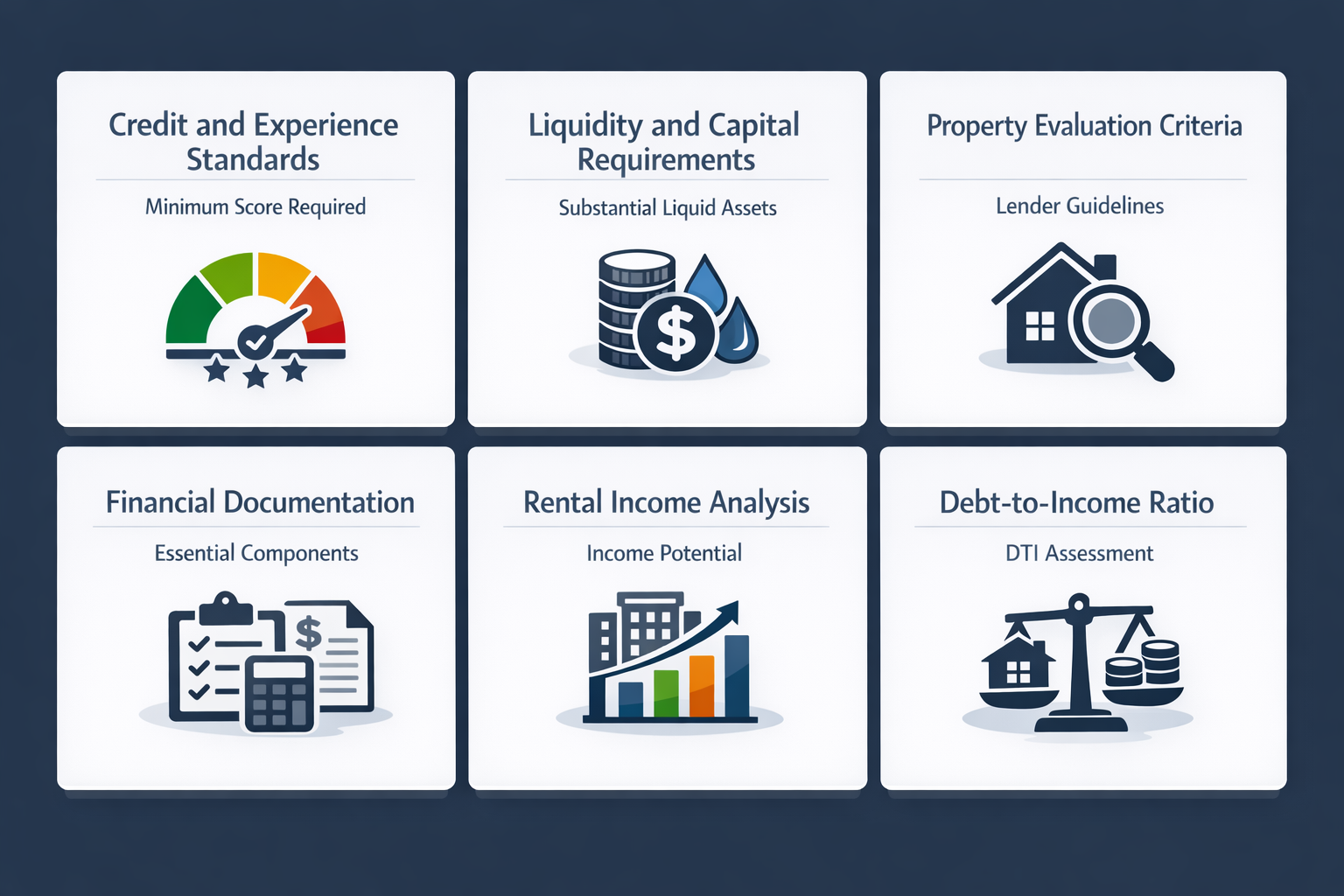
Credit and Experience Standards: Most lenders require a minimum credit score and previous real estate investment experience, though requirements may vary between traditional and hard money lenders
Liquidity and Capital Requirements: Investors typically need substantial liquid assets and cash reserves, often requiring 25% down payment for the property purchase price
Property Evaluation Criteria: The target property must meet lender guidelines for location, condition, and after-repair value potential to qualify for financing
Financial Documentation: Comprehensive financial statements, tax returns, and proof of assets are essential components of the qualification process
Rehab Budget Planning Essentials
Effective rehab budget planning forms the foundation of successful fix and flip financing. Lenders scrutinize renovation budgets carefully to ensure realistic project costs and timelines align with loan structures.
Detailed Cost Estimates: Comprehensive budgets must include materials, labor, permits, and contingency funds to account for unexpected renovation challenges
Professional Contractor Quotes: Licensed contractor estimates provide credibility to your rehab budget and help lenders assess project feasibility
Market Value Analysis: After-repair value calculations ensure your renovation investment aligns with local market conditions and profit expectations
Timeline Coordination: Budget planning must coordinate with draw schedule timelines to maintain cash flow throughout the renovation process
Property Acquisition Checklist
Successfully acquiring properties for fix and flip projects requires systematic evaluation and preparation. This checklist ensures you're ready to move quickly when opportunities arise.
Market Research Verification: Confirm comparable sales, neighborhood trends, and renovation demand to validate investment potential
Property Inspection Completion: Thorough inspections reveal hidden issues that could impact your rehab budget and project timeline
Title and Legal Review: Clear title verification and legal due diligence protect your investment from potential complications
Financing Pre-Approval: Secured pre-approval letters demonstrate serious buyer intent and expedite closing processes in competitive markets
Draw Schedule Timeline Management
Managing draw schedule timelines effectively ensures steady cash flow throughout your renovation project. The draw schedule timeline typically follows these structured phases.
Initial Draw Release: First funding installment occurs at closing or shortly after, providing capital for immediate project startup and initial contractor payments
Milestone-Based Draws: Subsequent funding releases align with completed renovation phases, requiring lender inspection and approval before each disbursement
Progress Documentation: Each draw request must include photographic evidence, contractor invoices, and completion verification for the specified project phase
Final Draw Processing: Last funding installment releases upon substantial project completion and final lender inspection, typically within 30 days of renovation finish
Contractor Payment Stages
Coordinating contractor payment stages with your draw schedule prevents cash flow gaps and maintains project momentum. Understanding these payment structures helps manage renovation timelines effectively.
Upfront Material Deposits: Initial payments often cover material purchases and project setup, typically representing 10-20% of total contractor costs
Phase Completion Payments: Progressive payments align with completed work phases such as electrical, plumbing, or flooring installation milestones
Quality Control Reviews: Payment releases may include inspection periods allowing you to verify work quality before approving contractor compensation
Final Payment Processing: Remaining contractor compensation releases upon project completion and final walkthrough approval, ensuring all work meets agreed specifications
Renovation Milestone Tracking
Systematic renovation milestone tracking keeps projects on schedule and aligns with lender draw requirements. Effective tracking systems help identify potential delays before they impact your timeline.
Permit and Approval Phase: Initial milestone involves securing necessary permits and approvals, typically requiring 2-4 weeks depending on local requirements
Structural and Systems Work: Major systems including electrical, plumbing, and HVAC installations represent critical early milestones that enable subsequent renovation phases
Interior and Finishing Phases: Flooring, painting, fixtures, and cosmetic improvements constitute measurable milestones that demonstrate visible progress toward completion
Final Inspection and Cleanup: Project completion milestone includes final inspections, cleanup, and preparation for market listing or sale activities
Project Completion Timeline
Understanding realistic project completion timelines helps investors plan exit strategies and manage carrying costs effectively. Most fix and flip projects follow predictable completion patterns, though individual circumstances may cause variations. Interest-only loan structures can help manage cash flow during the renovation phase, allowing investors to focus resources on value-added improvements rather than principal payments. Time-sensitive deals often benefit from hard money lenders who offer quicker approval processes compared to traditional financing options. California investors might leverage up to 85% loan-to-value financing with 100% rehab cost coverage, maximizing their renovation capabilities while maintaining capital efficiency throughout the project timeline.
Mastering the fix and flip loan process positions investors to capitalize on renovation opportunities with confidence and efficiency. From initial qualification through project completion, each stage requires careful planning and execution to ensure successful outcomes. Understanding draw schedules, contractor payments, and milestone tracking helps maintain project momentum while managing cash flow effectively. As lending options continue evolving in 2026, investors who thoroughly understand these processes gain significant advantages in competitive markets. Whether you're working with traditional lenders or exploring hard money options, this systematic approach to fix and flip financing can help maximize your investment returns and build a sustainable renovation business.