Understanding how DSCR loans work can transform your real estate investment strategy. These cash flow based financing products evaluate your property's rental income potential rather than your personal income, opening doors for investors who might not qualify through traditional mortgage channels. Unlike conventional loans that require W-2s and extensive income documentation, DSCR loans focus on one key metric: whether your rental property generates enough income to cover its debt payments.
For investors building portfolios in 2026, DSCR loans typically offer loan-to-value ratios up to 85% with maximum loan amounts reaching $3,000,000. The qualification process centers around maintaining a debt service coverage ratio, which compares your property's rental income to its monthly debt obligations. This approach makes rental income loans accessible to a broader range of investors, including those with non-traditional income sources or multiple investment properties.
Common DSCR Loan Questions Answered
Many investors have similar questions when exploring how DSCR loans work for their investment strategies.
Q: What does DSCR stand for and how is it calculated?
DSCR stands for Debt Service Coverage Ratio. It's calculated by dividing your property's monthly rental income by its total monthly debt payments, including principal, interest, taxes, and insurance. Most lenders require a minimum DSCR between 0.75 to 1.25, though some programs may accept lower ratios.
Q: Can I use projected rental income for DSCR loan qualification?
Yes, many lenders allow investors to use market rent analysis or appraisal-based rental estimates for properties that aren't currently generating income. This makes DSCR loans particularly useful for fix and flip projects transitioning to rental properties.
Q: Do DSCR loans require personal income verification?
No, that's one of the key advantages. DSCR loans focus on the property's cash flow potential rather than your personal income, making them accessible to investors with complex financial situations or non-traditional income sources.
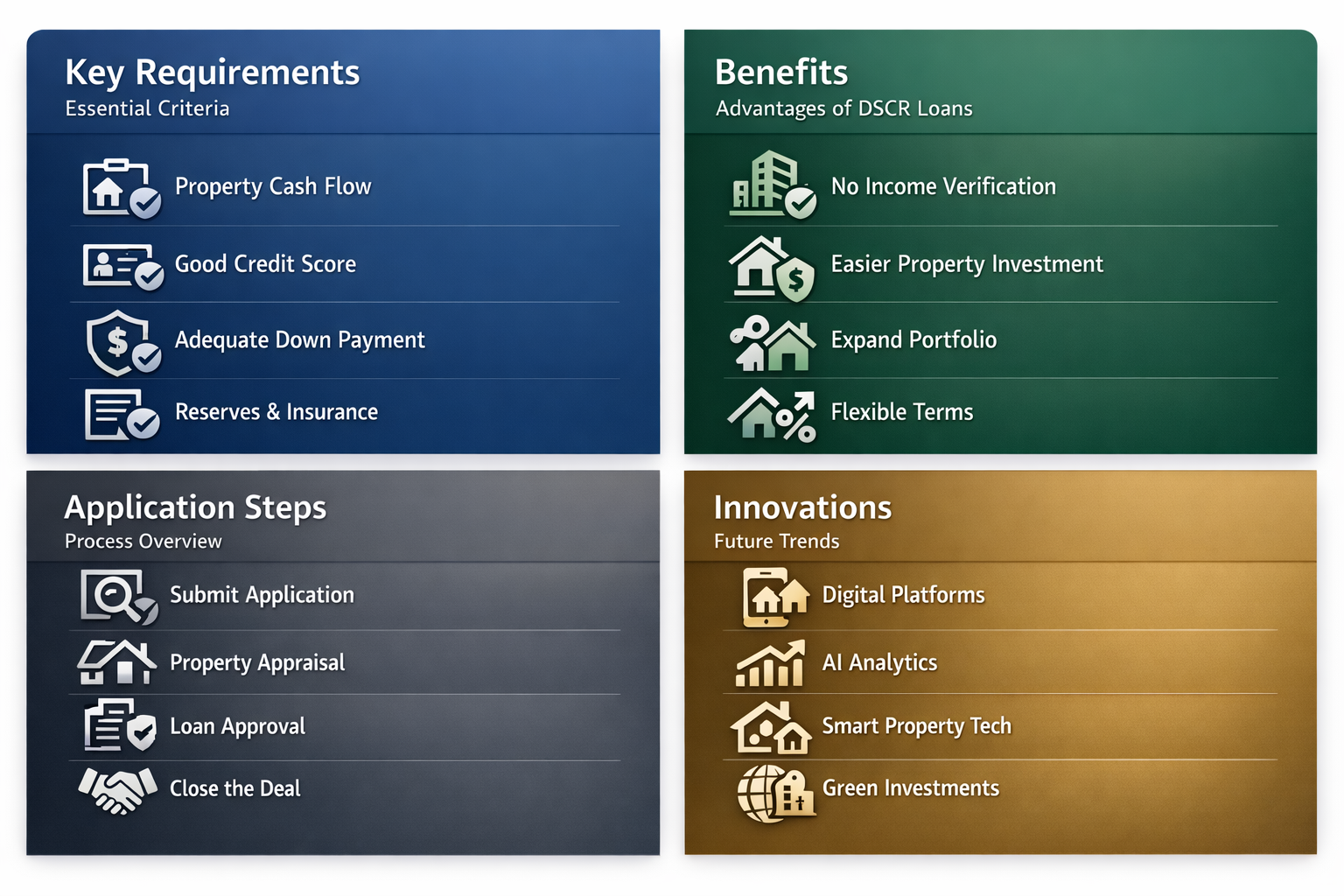
Key Requirements for DSCR Loan Approval
Understanding the key requirements for DSCR loan approval helps investors prepare their applications more effectively and increases their chances of securing favorable terms.
Debt Service Coverage Ratio: Most lenders require a minimum DSCR between 0.75 to 1.25, with higher ratios often qualifying for better interest rates and terms
Down Payment and LTV: Loan-to-value ratios typically max out at 85%, meaning investors need at least 15% down, though many programs require 20-25% for optimal pricing
Property Type and Condition: Single-family homes, condos, and small multifamily properties usually qualify, with the property needing to be in rentable condition or have a clear renovation timeline
Loan Amount Limits: Maximum loan amounts can reach $3,000,000, making DSCR loans suitable for both entry-level and high-value investment properties
Benefits of Cash Flow Based Financing
Cash flow based financing through DSCR loans offers several distinct advantages that make them particularly attractive for real estate investors in today's market.
No Personal Income Documentation: Investors can qualify without providing W-2s, tax returns, or employment verification, streamlining the application process significantly
Portfolio Scalability: Since qualification doesn't depend on personal debt-to-income ratios, investors can potentially finance multiple properties simultaneously without traditional lending constraints
Faster Closing Timeline: Reduced documentation requirements often lead to quicker underwriting and closing processes, crucial for competitive investment markets
Flexible Borrower Profiles: Self-employed investors, retirees, or those with complex income structures can access financing that might be unavailable through conventional channels
DSCR Loan Application Process Steps
Following a structured approach to the DSCR loan application process can help ensure smoother approval and better terms for your rental income loans.
Property Analysis and DSCR Calculation: Obtain a rent roll or market rent analysis to establish the property's income potential, then calculate your projected DSCR to ensure it meets lender minimums before applying
Documentation Preparation: Gather property-related documents including purchase contracts, rent rolls, leases, and property management agreements, while preparing basic borrower information like bank statements and asset verification
Lender Selection and Application: Compare DSCR loan programs from different lenders, focusing on interest rates, terms, and specific program requirements that align with your investment strategy
Underwriting and Property Evaluation: Work with the lender through their underwriting process, which typically includes property appraisal, title work, and final DSCR verification before loan approval
Bridge to DSCR Refinancing Strategies
Bridge to DSCR refinancing strategies allow investors to transition from high-cost short-term financing into more stable, long-term rental income loans.
Timing Your Refinance: Plan to refinance your bridge or hard money loan once your property achieves stabilized rental income and maintains a DSCR of 1.25 or higher for consistent cash flow
Documentation During Renovation: Keep detailed records of renovation costs, rental market analysis, and projected income streams to support your DSCR loan application during the refinancing process
Lender Coordination: Work with lenders who understand the bridge-to-DSCR process and can provide clear timelines and requirements for transitioning between loan products
Cash Flow Optimization: Use the refinancing opportunity to secure better interest rates and terms that improve your property's overall cash flow and investment returns
DSCR Lending Innovations in 2026
The DSCR lending landscape continues evolving with new product innovations and hybrid structures that may provide additional opportunities for real estate investors.
Hybrid DSCR Products: New loan structures combine DSCR qualification with additional features like interest-only periods or seasonal payment adjustments for vacation rental properties
Institutional Capital Integration: Increased institutional investment in DSCR lending may lead to more competitive rates and expanded loan programs for qualified investors
Technology-Enhanced Underwriting: Automated valuation models and streamlined income verification processes could reduce closing times and improve the overall borrower experience
Expanded Property Types: Some lenders are beginning to offer DSCR loans for short-term rental properties and other alternative investment property types that were previously difficult to finance
Understanding how DSCR loans work opens up significant opportunities for real estate investors looking to scale their portfolios without the constraints of traditional income verification. These cash flow based financing products evaluate properties based on their rental income potential, making them particularly valuable for investors with non-traditional income sources or multiple investment properties.
The key to success with DSCR loans lies in focusing on properties that can maintain strong debt service coverage ratios while meeting basic lender requirements for loan-to-value ratios and property conditions. As the lending landscape continues evolving through 2026, staying informed about new DSCR product innovations and refinancing strategies can help you capitalize on the best financing opportunities for your investment goals.
Whether you're considering your first rental property or expanding an existing portfolio, DSCR loans provide a pathway to financing that aligns with the realities of real estate investment cash flow and property performance.