Understanding DSCR Purchase Loan Rates in Today's Market
DSCR purchase loan rates have become a critical factor for real estate investors looking to expand their rental property portfolios. With current rates typically ranging between 7-10% and loan-to-value ratios reaching up to 75-80%, these financing products offer unique advantages for buy and hold strategies. Understanding how rental acquisition pricing affects your entry yield can make the difference between a profitable investment and a mediocre return. As demand for DSCR loans continues to grow, savvy investors are leveraging these products to secure cash-flowing properties while navigating today's competitive market conditions.
Essential Tips for Securing Competitive DSCR Purchase Loan Rates
Essential tips for securing competitive DSCR purchase loan rates can significantly impact your rental acquisition pricing and overall investment success. These strategies help investors navigate the current lending landscape while optimizing their financing costs.
Research multiple lenders thoroughly since DSCR loan providers often have varying rate structures and qualification requirements. Different lenders may offer rates within the 7-10% range, but their specific terms and loan-to-value ratios can differ substantially, affecting your overall buy and hold cost structure.
Consider adjustable-rate mortgage options like 6-month SOFR ARM loans that adjust every six months with typical margins around 3.5%. These flexible products might provide cost advantages in fluctuating interest rate environments, particularly when market conditions favor shorter-term rate adjustments.
Prepare your property's debt service coverage ratio documentation carefully since stronger DSCR numbers often correlate with better rate offers. Properties with higher rental income relative to debt payments typically qualify for more favorable terms, improving your entry yield calculations.
Key Factors That Influence Your Rental Acquisition Pricing
Key factors that influence your rental acquisition pricing extend beyond the base DSCR purchase loan rates and encompass various market and property-specific elements. Understanding these components helps investors make informed decisions about their investment strategy.
Geographic market selection plays a crucial role since different regions offer varying rent growth potential and price-to-rent ratios. Top markets for DSCR loan investments typically feature favorable cash flow dynamics that can enhance your overall returns and justify higher acquisition costs.
Property condition and type affect both loan approval odds and final rate offerings from lenders. Well-maintained rental properties in desirable locations often qualify for better terms, while properties requiring significant improvements might face higher rates or reduced loan-to-value ratios.
Current market demand for DSCR loans continues to influence pricing as more investors seek alternatives to conventional financing. This increased demand, particularly following mortgage rate changes near 6%, has made DSCR products more mainstream while potentially affecting rate competitiveness across lenders.
Maximizing Your Entry Yield Through Strategic Rate Shopping
Maximizing your entry yield through strategic rate shopping requires a systematic approach to comparing DSCR purchase loan rates across different lenders and loan products. This process can significantly impact your long-term investment returns.
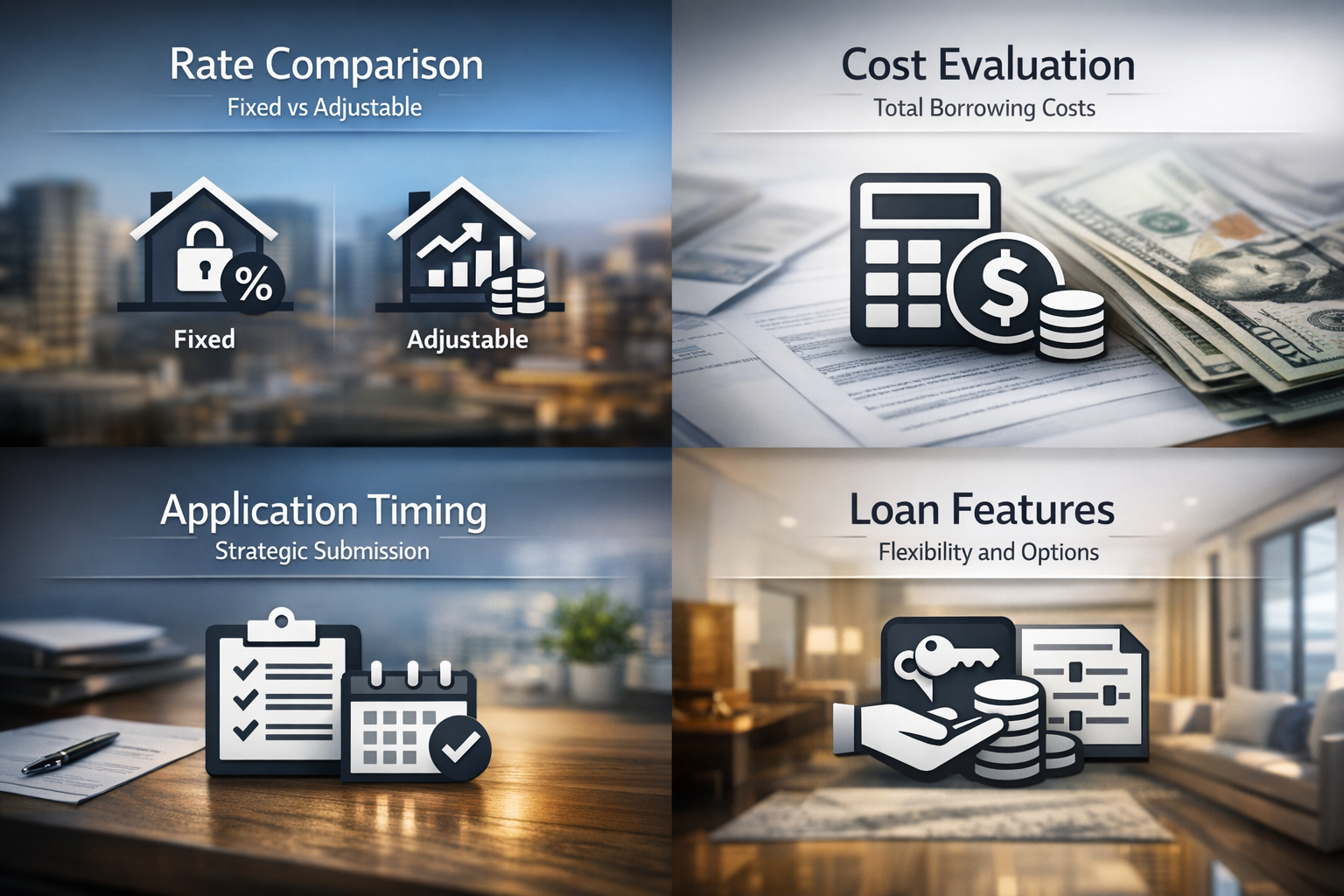
Compare both fixed and adjustable rate options since market conditions might favor one structure over another depending on your investment timeline. Fixed rates provide stability for long-term buy and hold strategies, while adjustable rates might offer initial cost savings that improve cash flow in the early years.
Evaluate the total cost of borrowing beyond just the interest rate, including origination fees, closing costs, and any prepayment penalties. Some lenders might offer competitive rates but offset savings through higher fees, affecting your overall rental acquisition pricing calculation.
Time your applications strategically since DSCR loan demand has increased substantially, potentially creating opportunities for better terms when lenders compete for quality borrowers. Market timing, combined with strong property fundamentals, might help secure more favorable financing terms.
Step-by-Step Process for DSCR Loan Rate Comparison
A step-by-step process for DSCR loan rate comparison helps investors systematically evaluate their financing options and secure the most advantageous terms for their rental property acquisitions.
Gather preliminary rate quotes from at least three to five DSCR lenders, focusing on those with strong reputations in the investor lending space. Request specific information about their current rate ranges, typically 7-10%, along with their maximum loan-to-value ratios and minimum DSCR requirements.
Analyze each lender's complete fee structure including origination costs, underwriting fees, and closing expenses that affect your total buy and hold cost. Calculate the all-in cost of each loan option over your intended holding period to determine true value beyond the stated interest rate.
Review loan features such as prepayment flexibility, rate adjustment mechanisms for ARM products, and refinancing options that might benefit your long-term investment strategy. Consider whether bridge-to-DSCR refinancing opportunities align with your portfolio expansion plans.
Submit formal applications with your top two choices to compare final loan terms and conditions. This approach provides negotiating leverage while ensuring you have backup financing options if your primary choice encounters underwriting issues.
Optimizing Your Buy and Hold Investment Strategy
Optimizing your buy and hold investment strategy requires careful consideration of how DSCR purchase loan rates impact your long-term returns and portfolio growth potential. Strategic financing decisions can significantly enhance your investment outcomes.
Calculate your break-even DSCR ratio based on current market rents and projected operating expenses to ensure adequate cash flow coverage. Properties with stronger debt service coverage ratios often qualify for better rates and provide more financial cushion during market fluctuations.
Consider geographic diversification in markets that favor DSCR loan investments, focusing on areas with strong rent growth potential and favorable price-to-rent ratios. Market selection can be as important as rate selection in determining your overall investment success.
Plan your refinancing timeline strategically, particularly if you're transitioning from higher-cost bridge financing to more stable DSCR loan products. The shift from hard money loans charging significantly higher rates to DSCR loans in the 7-10% range can dramatically improve your cash flow and investment returns.
Monitor market trends and lender appetite for DSCR products since increased demand has made these loans more accessible while potentially creating opportunities for better terms. Staying informed about market conditions helps you time your acquisitions and financing decisions more effectively.
Common Mistakes That Increase Your Financing Costs
Common mistakes that increase your financing costs can significantly impact your rental acquisition pricing and reduce your overall investment returns. Avoiding these pitfalls helps investors secure better DSCR purchase loan rates and terms.
Failing to shop multiple lenders often results in accepting suboptimal rates when better options might be available elsewhere. The DSCR lending market has expanded considerably, with different institutions offering varying rate structures and loan terms that could save thousands over the loan term.
Overlooking the importance of property cash flow documentation can lead to higher rates or loan rejection since DSCR calculations directly impact loan approval and pricing. Investors should prepare comprehensive rental income projections and market rent analysis to support their applications.
Rushing into financing decisions without considering market timing or alternative loan structures might result in unnecessary costs. With SOFR-based ARM options and various fixed-rate products available, taking time to evaluate different structures could provide significant savings.
Neglecting to negotiate loan terms and fees often leaves money on the table, particularly in competitive lending environments where lenders may be willing to adjust terms for qualified borrowers. Professional investors should approach DSCR lending as a negotiable business transaction rather than accepting initial offerings without discussion.
DSCR purchase loan rates in the current market offer real estate investors valuable opportunities to finance rental property acquisitions with competitive terms and flexible qualification standards. With rates typically ranging between 7-10% and loan-to-value ratios reaching up to 80%, these products can support effective buy and hold strategies when properly structured. Success with DSCR financing depends on thorough market research, careful lender selection, and strategic timing of your applications. As demand for these loan products continues growing, investors who understand how to optimize their rental acquisition pricing and maximize their entry yield will be better positioned to build profitable portfolios. The key lies in treating DSCR loan shopping as a systematic process that considers not just rates, but total costs, loan features, and alignment with your long-term investment objectives.