
LOAN PROGRAMS
APPLY NOW

Real estate investors often find themselves puzzled by how DSCR interest rate explained concepts can impact their bottom line. Unlike traditional mortgage products, DSCR loans focus on property cash flow rather than personal income, making their pricing structure unique in the lending landscape. Understanding these rates becomes crucial when you're evaluating investment opportunities and calculating potential returns on rental properties.
Current DSCR loan rates typically range from 6.25% to 8.00%, but several factors influence where your specific rate might land within this spectrum. The debt service coverage ratio itself, your credit profile, property type, and broader market conditions all play significant roles in determining your final interest rate. This pricing complexity means that informed investors who understand these mechanics often secure more favorable terms than those who approach DSCR lending blindly.
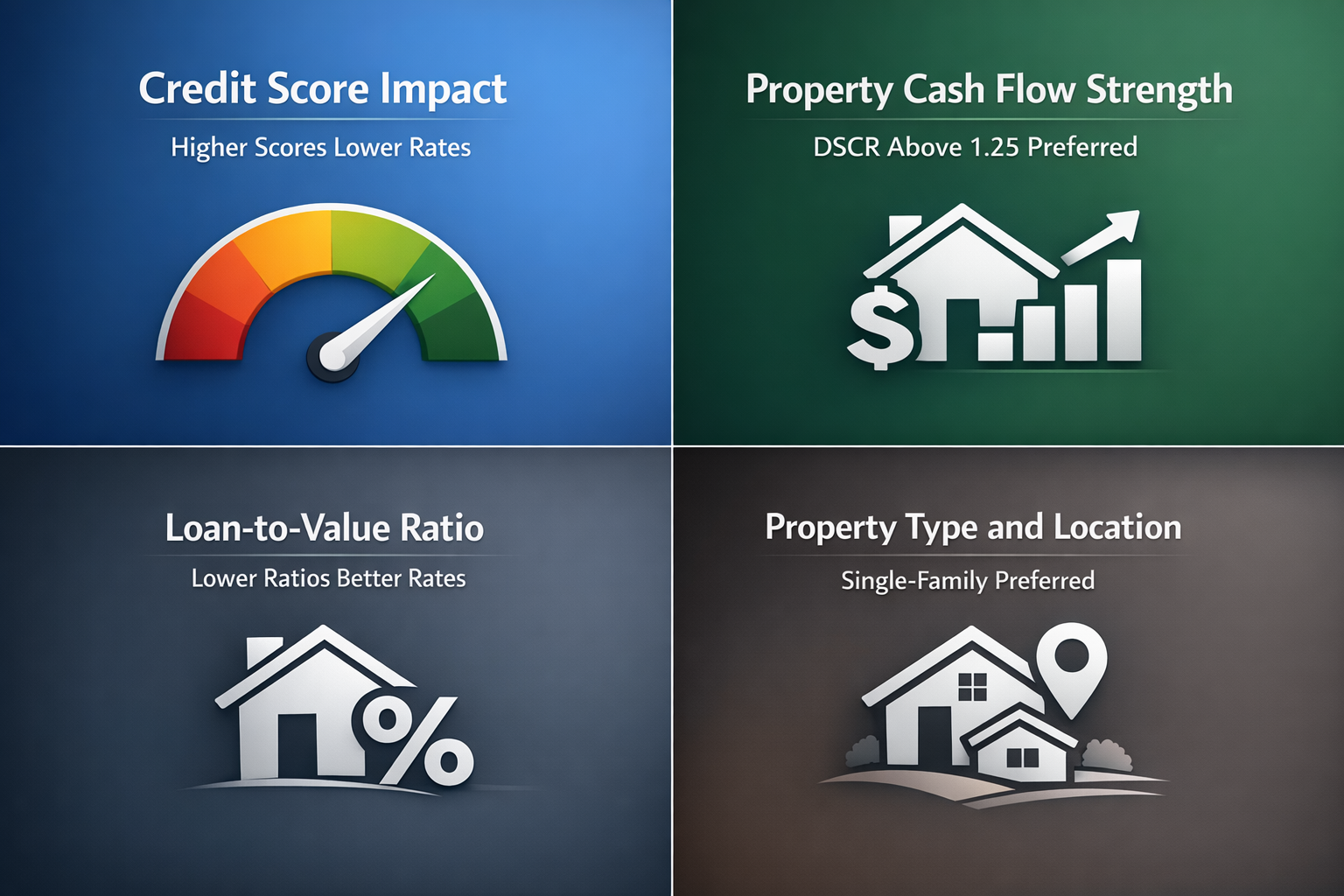
Understanding the key factors that determine your DSCR rate helps you position your application for the best possible terms. Lenders evaluate multiple elements when pricing these investor-focused loans, and each component carries different weight in their decision-making process.
Market conditions significantly influence how DSCR rates are structured, and these external factors often impact pricing more than individual borrower characteristics. Economic trends and lending market dynamics create the backdrop against which all DSCR loans are priced.
Different property types come with varying risk profiles that directly impact the DSCR interest rate explained in your loan terms. Lenders adjust their pricing based on property characteristics and the stability of rental income these assets typically generate.
Taking specific steps to secure better DSCR rates can save thousands of dollars over the life of your investment loan. These actionable strategies help position your application favorably with lenders and demonstrate lower risk profiles.
Strategic timing of your DSCR loan application can significantly impact the rates you receive, as market conditions and lender appetites shift throughout economic cycles. Understanding these timing considerations helps optimize your financing approach.
Effective rate comparison and negotiation strategies enable investors to secure competitive DSCR loan terms while avoiding common pitfalls that lead to higher borrowing costs. The key lies in understanding how to leverage multiple offers and present your deal favorably.
Successfully navigating DSCR interest rates requires a strategic approach that combines market awareness with strong deal preparation. Investors who understand that DSCR rates typically range from 6.25% to 8.00% can better evaluate whether quoted rates align with current market conditions. The most important factor remains the property's cash flow strength, as demonstrated through solid DSCR ratios above 1.25, but credit scores, down payment amounts, and property types all influence final pricing. Market timing and lender competition create opportunities for rate improvements, making it essential to monitor economic trends and maintain relationships with multiple DSCR lenders. By focusing on these controllable elements while staying informed about market conditions, real estate investors can consistently secure competitive rates that enhance their investment returns and support portfolio growth objectives.
Understanding how DSCR interest rates work gives real estate investors a significant advantage in securing favorable financing terms. The combination of property cash flow strength, borrower creditworthiness, and market timing creates opportunities for investors who approach DSCR lending strategically rather than reactively.
As market conditions continue evolving through 2026, investors who stay informed about rate trends and maintain strong financial profiles will be best positioned to capitalize on attractive DSCR loan opportunities. Remember that while rates remain important, the overall cost of funds including fees and terms often matters more than small rate differences between lenders.
Take time to evaluate multiple DSCR lenders, understand their pricing factors, and position your deals to qualify for the best possible terms. This preparation typically pays dividends through lower borrowing costs and improved investment returns over time.
