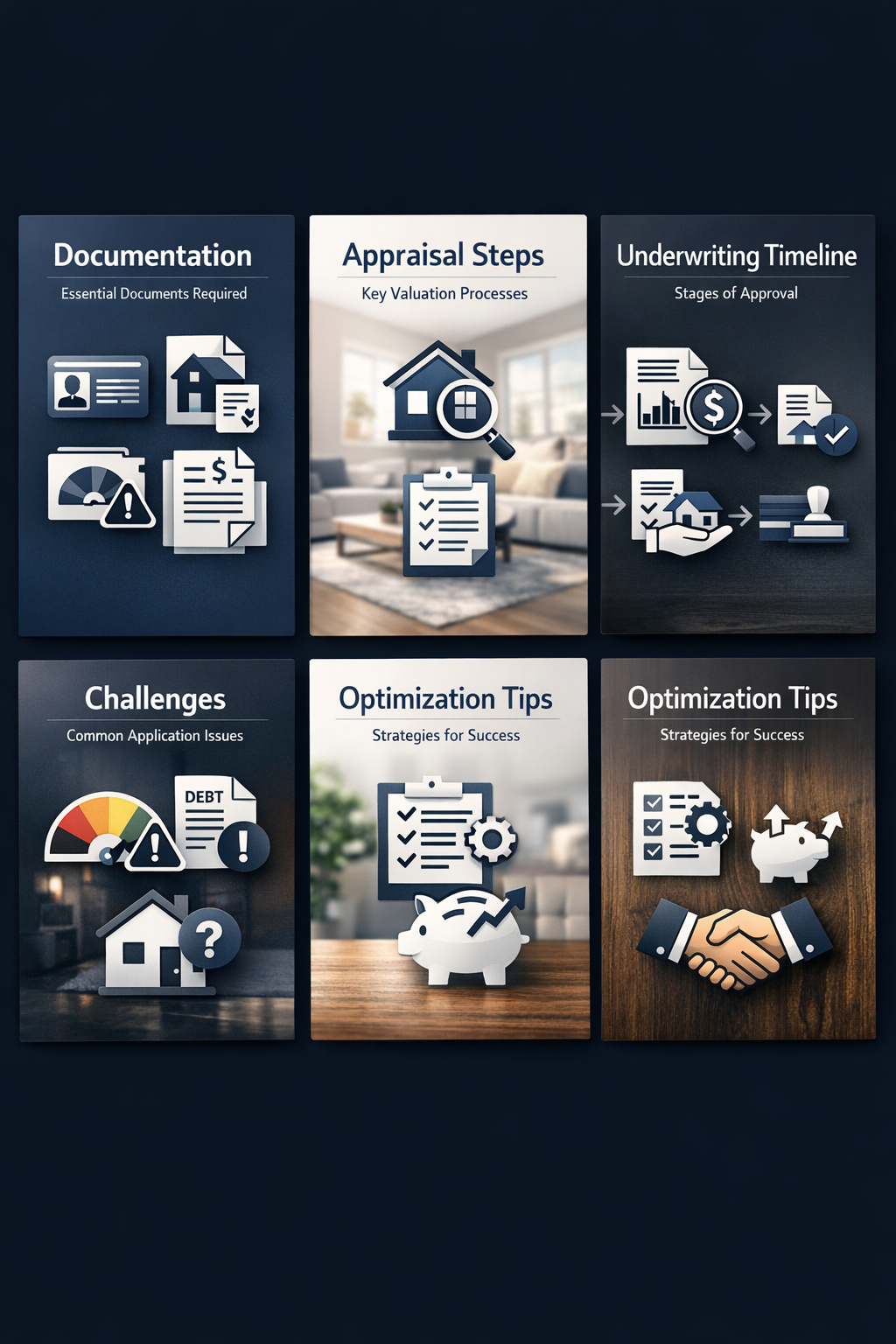
The DSCR loan application process can make or break your next rental property investment. Unlike traditional mortgages that focus on personal income, debt service coverage ratio loans evaluate your property's cash flow potential. This financing approach opens doors for investors who might not qualify through conventional channels, but success depends on understanding the application requirements and timeline.
Smart investors know that preparation separates successful applications from rejected ones. The process involves specific documentation, property appraisals, and underwriting criteria that differ significantly from owner-occupied financing. Getting these elements right from the start can save weeks of delays and position you for favorable loan terms.
Essential Documentation Requirements
The DSCR loan application process begins with assembling the right documentation package. Lenders typically require a comprehensive set of financial and property documents to evaluate both your creditworthiness and the investment property's income potential.
Personal Financial Documents: Recent bank statements, tax returns from the past two years, and a current credit report form the foundation of your application. Some lenders may also request proof of liquid reserves equivalent to several months of property payments.
Property Income Documentation: Existing lease agreements, rent rolls, and market rent analysis demonstrate the property's cash flow capacity. For vacant properties, comparative market analysis and pro forma income projections may be required.
Property Information Package: Purchase contract, property insurance quotes, and preliminary title information help lenders assess the collateral value and associated risks.
Business Entity Documentation: If you're purchasing through an LLC or corporation, articles of incorporation, operating agreements, and business bank statements might be necessary depending on the lender's requirements.
Property Appraisal and Valuation Steps
Property appraisal and valuation steps play a crucial role in determining your loan amount and terms. DSCR lenders focus heavily on the property's income-generating potential alongside its market value, creating a dual evaluation process.
Appraisal Ordering Process: Once your initial application is approved, the lender typically orders an appraisal from their approved network of licensed appraisers. This process usually begins within 3-5 business days of application submission.
Income Approach Evaluation: The appraiser analyzes comparable rental properties in the area to establish market rent potential. This rental income analysis directly impacts your debt service coverage ratio calculation and loan approval.
Market Value Assessment: Traditional comparable sales analysis determines the property's fair market value, which affects your maximum loan amount based on the lender's loan-to-value requirements.
Final Valuation Report: The completed appraisal typically takes 7-14 days and provides both market value and rental income estimates that lenders use for final underwriting decisions.
Underwriting Timeline and Process
Understanding the underwriting timeline and process helps set realistic expectations for your DSCR loan approval. Most lenders follow a structured review sequence that can take anywhere from 2-6 weeks depending on the complexity of your application.
Initial Review Phase: Underwriters verify your submitted documentation and run preliminary debt service coverage calculations. This phase typically takes 3-7 business days and may result in requests for additional documentation.
Property Analysis Stage: The underwriting team reviews the appraisal report and analyzes the property's income potential against your proposed financing structure. Credit score verification and background checks also occur during this stage.
Final Approval Decision: After completing their analysis, underwriters issue either an approval, conditional approval with requirements, or denial. Approved applications move to closing preparation while conditional approvals require additional documentation or property improvements.
Quality Control Review: Many lenders conduct a final quality control check before funding, which can add 2-3 additional business days to the process but helps ensure smooth closing.
Common Application Challenges
Even experienced investors encounter obstacles during the DSCR loan application process. Understanding these common challenges helps you prepare solutions before they become problems.
Insufficient Cash Flow Documentation: Properties with limited rental history or seasonal income fluctuations can create underwriting concerns. Market rent studies and professional property management estimates may help strengthen weak income documentation.
Credit Score Complications: While DSCR loans often have more flexible credit requirements than conventional mortgages, significant credit issues can still impact approval requirements and interest rates.
Property Condition Issues: Deferred maintenance or code violations discovered during appraisal can delay closing or require repair escrows. Having properties professionally inspected before applying can reveal potential issues early.
Entity Structure Problems: Incorrectly structured LLCs or missing business documentation can slow the underwriting process, especially for investors using business entities for property ownership.
Optimizing Your Application Success
Smart preparation and strategic positioning can significantly improve your DSCR loan application success rate. These optimization strategies help present your investment in the strongest possible light.
Build Strong Rental Income Evidence: Gather multiple rent comparables, obtain professional rent estimates, and document any property improvements that justify above-market rents. Strong income documentation directly improves your debt service coverage ratio.
Maintain Adequate Reserves: Most lenders prefer seeing 2-6 months of mortgage payments in liquid reserves. Having substantial cash reserves demonstrates financial stability and reduces lender risk concerns.
Choose Properties Strategically: Properties in stable rental markets with strong tenant demand typically receive more favorable underwriting treatment than those in declining or volatile areas.
Work With Experienced Professionals: Real estate agents familiar with investment properties and mortgage brokers specializing in investor loans can help navigate potential application pitfalls before they occur.
Successfully navigating the DSCR loan application process requires thorough preparation, realistic timeline expectations, and attention to detail. By assembling complete documentation packages, understanding appraisal requirements, and preparing for common challenges, you position yourself for approval and favorable terms.
The key to DSCR loan success lies in demonstrating strong property cash flow potential while maintaining solid personal financial credentials. Take time to organize your documentation, research your target property's rental market, and work with experienced professionals who understand investor financing needs.
Ready to move forward with your next rental property acquisition? Start gathering your documentation now and consider connecting with a DSCR loan specialist who can guide you through the specific requirements for your investment strategy.