How the Mortgage Demand Surge and Rental Financing Are Reshaping Investment Strategies
The mortgage landscape in 2026 is experiencing a significant transformation that's creating powerful opportunities for real estate investors. The mortgage demand surge and rental financing sectors are converging in ways that could reshape your investment approach entirely. With DSCR loan rates declining to ranges between 5.875% and 7.375%, and sustained demand for alternative financing options continuing from 2025, investors are finding new pathways to build and expand their portfolios.
This shift represents more than just favorable rates. The combination of technological advances in lending, evolving qualification criteria, and changing market dynamics is creating a perfect storm of opportunity for those who understand how to navigate these waters effectively.
Essential Qualification Criteria Every Investor Should Verify
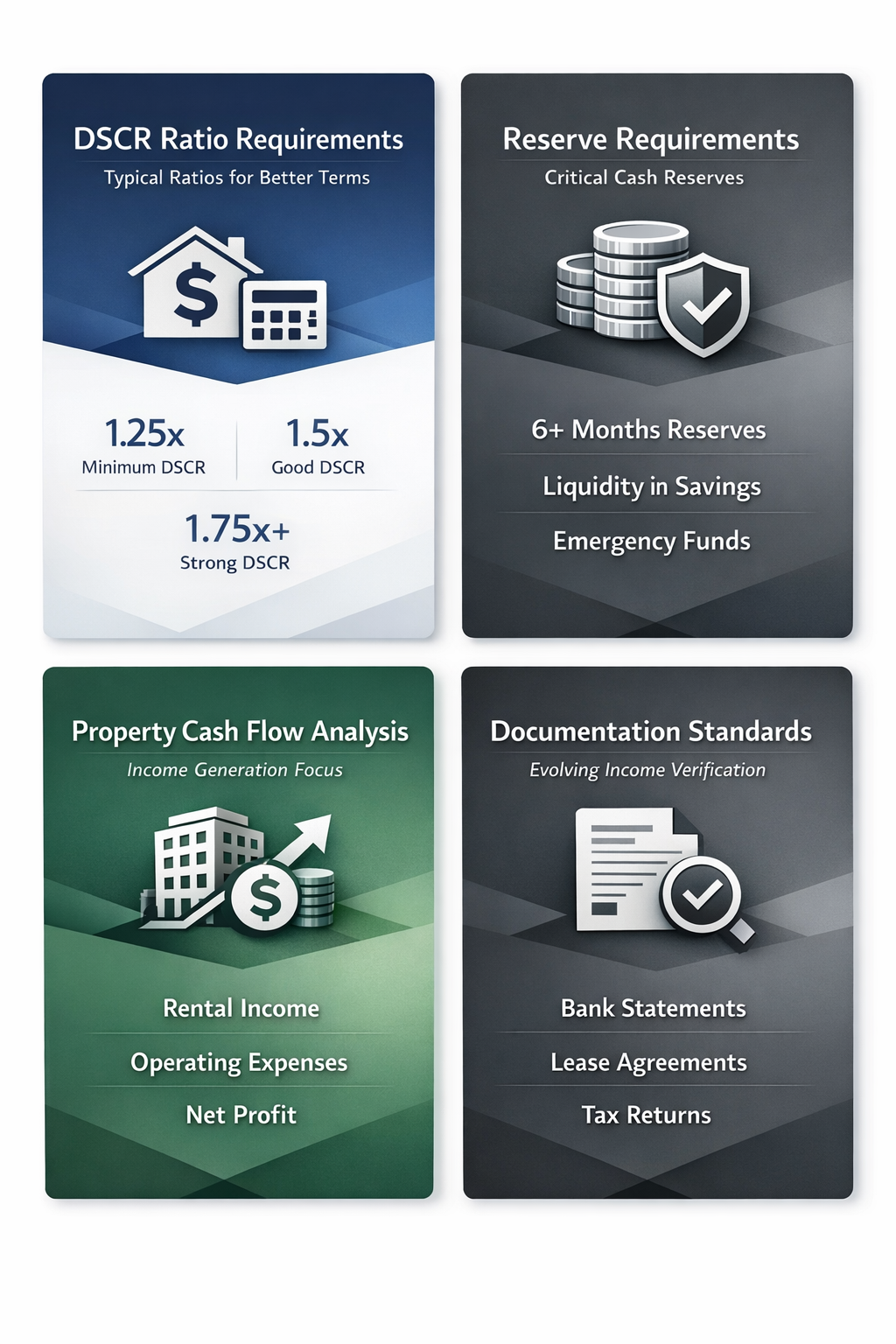
Essential qualification criteria are the foundation of successful rental financing in today's evolving market. Understanding these requirements can mean the difference between securing favorable terms and missing out on prime investment opportunities.
DSCR Ratio Requirements: Most lenders typically require ratios between 1.0 and 1.25, with higher ratios often securing better terms and rates
Reserve Requirements: Sufficient cash reserves remain a critical factor, though specific amounts may vary by lender and property type
Property Cash Flow Analysis: Lenders focus heavily on the property's ability to generate income rather than traditional employment verification
Documentation Standards: Alternative income documentation is becoming more accepted as nontraditional employment trends continue to evolve
Market Conditions Driving Current Financing Demand
Market conditions driving current financing demand reflect a fundamental shift in how investors approach real estate acquisition and refinancing strategies. The sustained momentum from 2025 continues to influence investor behavior in 2026.
Tight Housing Inventory: Limited available properties are pushing investors toward alternative financing methods to remain competitive in bidding situations
Employment Trend Changes: The rise of gig economy and remote work is making traditional income verification less relevant for many investors
Interest Rate Environment: Expected rate declines are creating refinancing opportunities that could significantly improve cash flow positions
Technology Integration: AI and data-driven underwriting processes are streamlining approval timelines and reducing overall costs
Rate Environment Advantages for Strategic Investors
Rate environment advantages are creating compelling opportunities for investors who understand how to leverage current market conditions. The anticipated rate declines in 2026 could trigger significant refinancing activity across the rental property sector.
Refinancing Opportunities: Existing property owners may find substantial savings by refinancing into lower rate products
Cash Flow Improvements: Lower financing costs could enhance monthly cash flow from rental opportunities, improving overall investment returns
Acquisition Advantages: New purchases benefit from more favorable financing terms compared to recent years
Portfolio Optimization: Investors can reassess their entire portfolio for potential rate improvements and strategic repositioning
Step-by-Step DSCR Loan Application Process
Step-by-step DSCR loan application processes have become more streamlined, though understanding the sequence remains crucial for successful outcomes. Following these steps systematically can improve your chances of approval and favorable terms.
Property Analysis and Cash Flow Calculation: Begin by thoroughly analyzing the target property's rental income potential and calculating the debt service coverage ratio to ensure it meets lender requirements
Financial Documentation Preparation: Gather necessary financial documents including bank statements, existing property income records, and reserve fund documentation
Lender Research and Pre-Qualification: Compare multiple lenders' DSCR loans programs, rate offerings, and qualification criteria before submitting formal applications
Application Submission and Underwriting: Submit complete applications with all supporting documentation and respond promptly to any underwriter requests for additional information
Final Review and Closing Preparation: Review loan terms carefully, coordinate with closing agents, and prepare for the final steps of the financing process
Technology Trends Reshaping Origination Growth
Technology trends reshaping origination growth are fundamentally changing how investors interact with lenders and how quickly deals can close. These advances could provide significant competitive advantages for tech-savvy investors.
AI-Powered Underwriting Systems: Automated analysis tools are reducing processing times and potentially improving approval rates by identifying qualifying factors more efficiently
Data Integration Platforms: Enhanced data collection and analysis capabilities allow lenders to make more informed decisions while reducing documentation burdens
Digital Application Processes: Streamlined online applications and document submission systems are making the lending process more accessible and efficient
Real-Time Decision Making: Some lenders are moving toward faster preliminary approvals through automated systems, potentially reducing time to close
Portfolio Expansion Strategies Using Current Market Dynamics
Portfolio expansion strategies using current market dynamics require a thoughtful approach that balances opportunity with risk management. The current environment offers multiple pathways for growth-oriented investors.
Refinance-and-Acquire Strategy: Use savings from refinancing existing properties at lower rates to fund down payments on additional rental properties
DSCR-Focused Property Selection: Target properties with strong rental income potential that meet or exceed typical DSCR requirements for optimal financing terms
Market Timing Considerations: Take advantage of the current rate environment while rates remain favorable, as future changes could impact financing costs
Diversification Through Alternative Financing: Explore DSCR loans as a complement to traditional financing methods, potentially expanding your purchasing power and flexibility
Key Investor Takeaways for 2026 Success
Key investor takeaways for 2026 success center on positioning yourself to capitalize on the mortgage demand surge and rental financing opportunities that are currently unfolding. The convergence of favorable rates, evolving lending criteria, and technological advances creates a unique window of opportunity. Investors who understand DSCR qualification requirements, stay informed about rate trends, and leverage technology-driven lending processes are likely to find themselves at a significant advantage. The sustained demand for alternative financing options suggests this trend will continue, making now an opportune time to evaluate your current portfolio and expansion strategies. Success in this environment typically comes from combining thorough market knowledge with decisive action when conditions align favorably.
The mortgage demand surge and rental financing evolution in 2026 represent a pivotal moment for real estate investors. With DSCR loan rates in favorable ranges and lending criteria adapting to modern investment approaches, the opportunities for portfolio growth and optimization have rarely been stronger. The key lies in understanding these market dynamics and acting strategically while conditions remain favorable.
Whether you're looking to refinance existing properties, acquire new rental assets, or diversify your financing approach, the current environment offers multiple pathways to success. By staying informed about rate trends, understanding qualification requirements, and leveraging technological advances in lending, you can position your investment strategy to thrive in this evolving landscape. The investors who recognize and act on these trends today are likely to be the ones who benefit most as the market continues to develop throughout 2026.