The Silent Profit Killers Every Real Estate Investor Must Know
Real estate investors often focus on the obvious expenses when calculating rental property returns: mortgage payments, property taxes, and basic maintenance. However, there are 8 hidden costs hurting rental profitability that can quietly erode your cash flow and threaten your investment portfolio's long-term success.
These stealth expenses have become particularly problematic in 2026, with insurance creep, tax reassessment, and maintenance inflation hitting rental properties harder than ever. For investors using DSCR loans or managing multiple rental properties, understanding these hidden costs isn't just helpful, it's essential for maintaining profitability and meeting debt coverage ratio requirements.
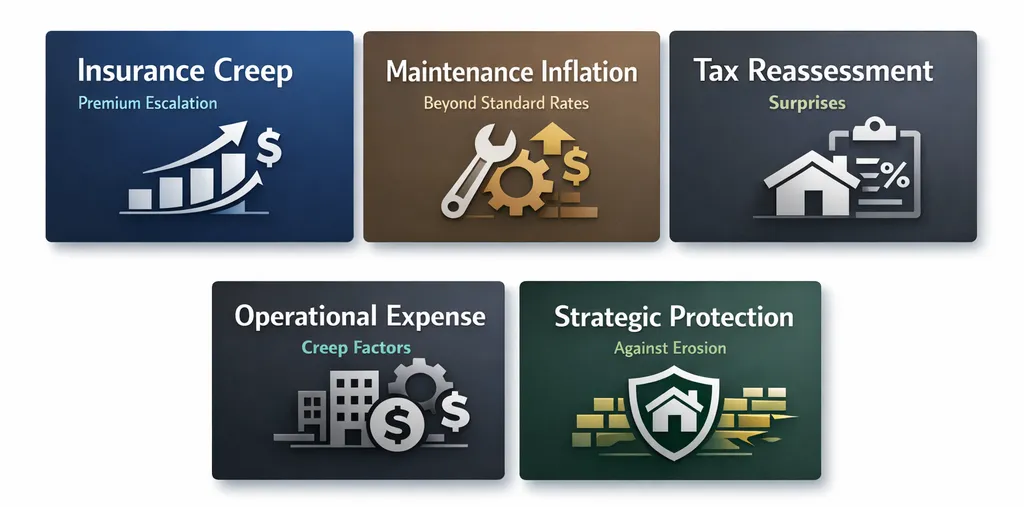
Insurance Creep and Premium Escalation
Insurance creep represents one of the most significant hidden costs affecting rental property profitability today. Landlord insurance premiums have experienced dramatic increases, with some areas seeing rises that far exceed typical inflation rates.
Premium Spikes: Insurance costs have risen substantially across most markets, with increases often occurring without clear warning to property owners
Coverage Gaps: Many investors discover their existing policies no longer provide adequate protection, forcing costly upgrades to maintain proper coverage
Regional Variations: Certain geographic areas face particularly steep increases due to climate risks, local regulations, or market conditions that weren't initially factored into investment calculations
DSCR Impact: Rising insurance costs can negatively affect debt service coverage ratios, potentially impacting loan renewals or refinancing opportunities
Maintenance Inflation Beyond Standard Rates
Maintenance inflation has emerged as a particularly challenging hidden cost for rental property investors. Repair and maintenance expenses continue to grow at rates that often exceed general inflation, creating budget shortfalls that weren't anticipated in initial investment projections.
Labor Cost Increases: Skilled trades workers command higher wages, and their availability has decreased in many markets, driving up the cost of routine repairs
Material Price Volatility: Building materials and replacement parts experience price swings that can turn minor repairs into major expenses
Emergency Repair Premiums: After-hours or urgent repairs often carry premium pricing that can significantly impact monthly cash flow
Preventive Maintenance Costs: Regular upkeep that could prevent major issues requires increased investment as service provider rates continue climbing
Property Tax Reassessment Surprises
Tax reassessment represents another category of hidden costs that can catch rental property investors off guard. Local jurisdictions may reassess properties more frequently or aggressively than expected, leading to substantial increases in annual property tax obligations.
Improvement Triggers: Renovations or improvements that enhance property value may trigger reassessments that increase tax liability beyond initial projections
Market-Based Adjustments: Rising property values in surrounding areas can lead to reassessments even when no improvements have been made to your specific property
Assessment Timing: Tax increases often take effect with limited notice, creating immediate impacts on monthly cash flow calculations
Appeal Process Costs: Challenging assessments requires time and potentially legal fees, adding additional expenses even when appeals are successful
Operational Expense Creep Factors
Operational expense creep encompasses various smaller costs that gradually increase over time, often going unnoticed until they collectively impact profitability. These expenses tend to grow incrementally, making them particularly insidious for long-term rental property performance.
Utility Cost Shifts: Changes in utility rates or tenant usage patterns can increase owner-paid utilities beyond budgeted amounts
Technology Upgrades: Modern tenants expect updated amenities and systems, requiring ongoing investments in property technology and infrastructure
Compliance Costs: New local regulations or safety requirements may mandate upgrades or ongoing compliance expenses that weren't factored into original investment calculations
Professional Service Increases: Property management, accounting, legal, and other professional services typically increase their fees annually, creating ongoing cost pressure
Strategic Protection Against Hidden Cost Erosion
Protecting your rental property investments from these hidden costs requires proactive strategies and careful financial planning. Smart investors can implement specific approaches to minimize the impact of these profit-draining expenses.
Build Larger Expense Reserves: Increase your monthly reserve allocations to account for higher-than-expected insurance, maintenance, and operational costs that may impact cash flow. As a starting point, most DSCR lenders require reserves covering 2 to 6 months of PITIA for standard long-term rentals, so building beyond that minimum provides an added cushion against these cost pressures.
Implement Regular Cost Reviews: Schedule quarterly reviews of all property-related expenses to identify creeping costs before they significantly impact investment profitability
Diversify Insurance Strategies: Work with insurance professionals to explore coverage options that provide protection while managing premium increases through strategic policy adjustments
Create Maintenance Partnerships: Develop relationships with reliable contractors and service providers who can offer predictable pricing for routine maintenance and repairs
Monitor DSCR Compliance: Regularly recalculate debt service coverage ratios to ensure that rising expenses don't jeopardize loan terms or future financing opportunities
The 8 hidden costs hurting rental profitability require constant vigilance and strategic planning to manage effectively. Insurance creep, tax reassessment, and maintenance inflation represent just three categories of expenses that can quietly undermine your investment returns if left unchecked.
Successful real estate investors recognize that protecting profitability requires more than just collecting rent and making mortgage payments. By understanding these hidden costs and implementing protective strategies, you can maintain healthy cash flows and preserve the long-term value of your rental property portfolio.
Remember that these cost pressures also affect your financing relationships. Lenders evaluating DSCR loans and other investor-focused mortgage products pay close attention to how well borrowers manage operational expenses and maintain consistent debt coverage ratios despite rising costs.