DSCR Loans for Out-of-State Investors: Qualify With 1.0+ DSCR (2026)
August 20, 2026
•
7 min read
DSCR Loans for Out of State Investors: Your Gateway to Remote Property Investment
Real estate investors often face unique challenges when expanding their portfolios beyond state lines. A DSCR loan for out of state investors might be the solution you've been searching for. Unlike traditional mortgage products that focus heavily on personal income verification, DSCR loans evaluate properties based on their cash flow potential, making remote property ownership more accessible.
The landscape of investment financing continues to evolve, with 2026 bringing more flexible DSCR loan requirements and faster approval processes. These changes could significantly benefit investors looking to diversify geographically without the typical barriers that conventional loans present for out of state purchases.
Key Advantages of DSCR Loans for Remote Property Investment
DSCR loans for remote property investment offer several compelling benefits that traditional financing often cannot match. Understanding these advantages can help you make informed decisions about expanding your portfolio across state lines.
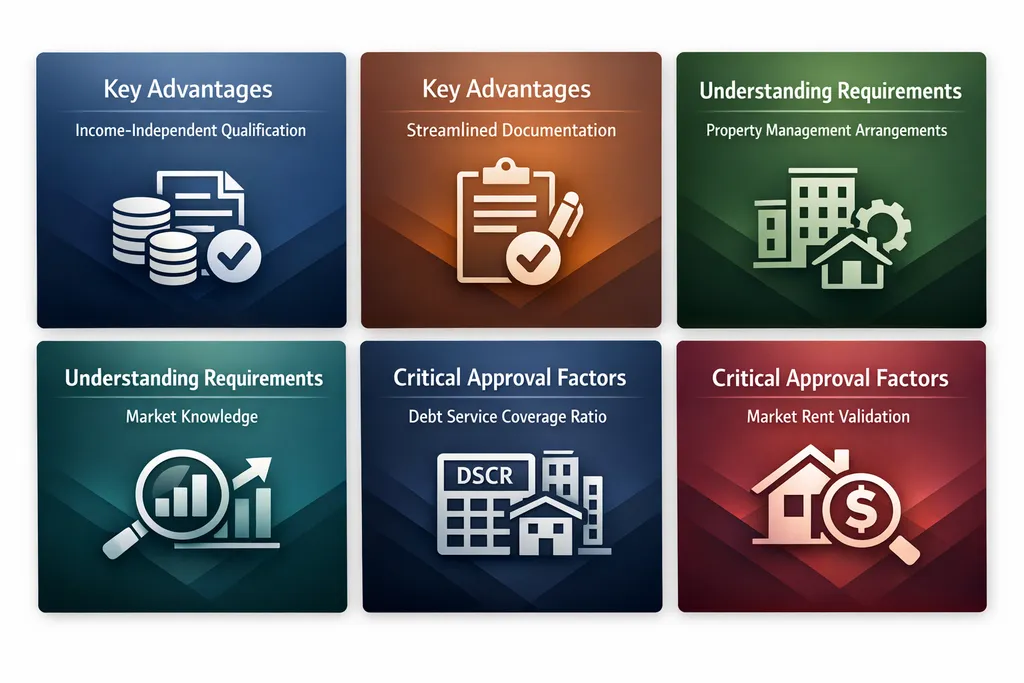
Income-independent qualification: DSCR loans typically focus on the property's rental income potential rather than your personal income, which may be particularly beneficial when purchasing in different economic markets
Streamlined documentation process: Many lenders have improved their remote verification processes, potentially reducing the paperwork burden for out of state transactions
Flexible property management requirements: Unlike some conventional loans, DSCR products may offer more lenient terms regarding how you manage distant properties
Portfolio scaling opportunities: These loans might allow you to expand into multiple markets without the geographic limitations that sometimes accompany traditional financing
Remote property ownership through DSCR financing involves specific considerations that differ from local investments. These management requirements can impact both your loan approval and long-term investment success.
Property management arrangements: Lenders may require proof of professional management services or detailed plans for remote oversight of your investment property
Market knowledge documentation: Some lenders might request evidence of your familiarity with local rental markets, vacancy rates, and property values in the target area
Insurance and maintenance protocols: Out of state properties often need comprehensive insurance coverage and established maintenance networks, which could influence loan terms
Legal compliance awareness: Understanding local landlord-tenant laws and regulations may be necessary to demonstrate responsible remote ownership capabilities
Critical Approval Factors for Out of State DSCR Loans
Several approval factors become particularly important when seeking DSCR financing for properties outside your home state. These elements can significantly influence both your qualification chances and loan terms.
Debt Service Coverage Ratio calculation: The property's rental income must typically exceed mortgage payments by a specified margin, often 1.0 to 1.25 times the debt service amount
Market rent validation: Recent industry changes have introduced faster rent validation processes, which may help expedite approvals for out of state properties with strong rental potential
Property condition and appraisal: Remote properties might face more stringent inspection requirements, and appraisals could take longer due to geographic distance
Down payment and reserves: Out of state investments may require higher down payments and cash reserves compared to local properties, depending on the lender's risk assessment
State-by-State Considerations for DSCR Loan Performance
The effectiveness of DSCR loans can vary significantly depending on the target state for your investment. Some markets may offer more favorable conditions for DSCR loan accessibility and performance than others.
Regional lending preferences: Certain states might have more DSCR-friendly lenders or programs, potentially affecting your financing options and terms
Local market dynamics: States with stable rental markets and consistent property appreciation may present lower risk profiles for DSCR loan approval
Regulatory environment: Some states have more investor-friendly regulations that could influence both loan approval and long-term investment performance
Economic stability factors: Markets with diverse economic bases and steady employment growth might offer better prospects for maintaining strong debt service coverage ratios
Step-by-Step Process for Securing Out of State DSCR Financing
Navigating the DSCR loan application process for out of state properties requires careful planning and preparation. Following a systematic approach can help streamline your financing experience.
Market research and property identification: Begin by thoroughly researching target markets, analyzing rental rates, vacancy trends, and property values to identify suitable investment opportunities
Lender comparison and pre-qualification: Contact multiple DSCR lenders to compare terms, requirements, and their experience with out of state transactions before committing to a specific program
Documentation preparation and submission: Gather required financial documents, property information, and rental market data to support your application and demonstrate the investment's viability
Property evaluation and appraisal coordination: Work with your lender to arrange inspections and appraisals, potentially coordinating with local professionals to ensure thorough property evaluation
Closing preparation and remote transaction management: Prepare for a potentially more complex closing process that may involve remote notarization, electronic document signing, and careful coordination across state lines
Comparing DSCR Loans to Conventional Financing for Multi-State Portfolios
Understanding how DSCR loans stack up against conventional financing options can help you determine the optimal strategy for scaling your investment portfolio across multiple states.
Qualification requirements analysis: Compare income verification needs, debt-to-income ratios, and employment documentation requirements between DSCR and conventional loan products
Portfolio expansion capabilities: Evaluate how each loan type affects your ability to acquire multiple properties quickly and efficiently across different geographic markets
Interest rate and fee structure comparison: Analyze the total cost of financing, including rates, fees, and potential hidden costs that might impact your investment returns
Long-term strategic alignment: Consider how each financing option supports your overall investment goals, exit strategies, and portfolio management approach
Do I need to live near the property to get a DSCR loan?
No. DSCR loans qualify based on the property's rental income rather than your primary residence, which is what makes them well suited to out-of-state investing.
Will an out-of-state purchase require a bigger down payment?
Not automatically. Standard DSCR down payments of 20% to 25% typically apply regardless of state, though your specific terms depend on credit score and the property's DSCR.
Do I need a local property manager to qualify?
Some lenders ask about your management plan for a remote property, but professional management is not universally required. Having one can strengthen your file.
What credit score do I need for an out-of-state DSCR loan?
Most programs set a floor between 620 and 680, with the best pricing available above 680, the same range that applies to in-state purchases.
DSCR loans for out of state investors represent a potentially powerful tool for geographic portfolio diversification. While these financing products offer unique advantages like income-independent qualification and streamlined remote ownership processes, success depends on careful market research and proper preparation.
The evolving landscape of DSCR lending, including faster rent validation and more flexible requirements, may create new opportunities for savvy investors. However, each out of state investment requires thorough evaluation of local market conditions, management requirements, and regulatory considerations.
By understanding the approval factors, preparing comprehensive documentation, and comparing financing options strategically, you can potentially leverage DSCR loans to build a geographically diversified real estate portfolio that generates strong cash flow across multiple markets.