Rural rental properties present a unique opportunity for real estate investors seeking cash flow in underserved markets. A DSCR loan for rural rental properties might be the financing solution that makes these investments viable, even when traditional lending approaches fall short. Unlike conventional mortgages that focus heavily on borrower income, DSCR loans evaluate properties based on their ability to generate rental income that covers debt obligations.
Rural markets often present challenges that can make traditional financing difficult to obtain. Limited comparable sales data, fewer rental comps, and unique appraisal considerations typically require a different underwriting approach. However, these same factors may create opportunities for investors who understand how to navigate DSCR loan requirements in rural settings.
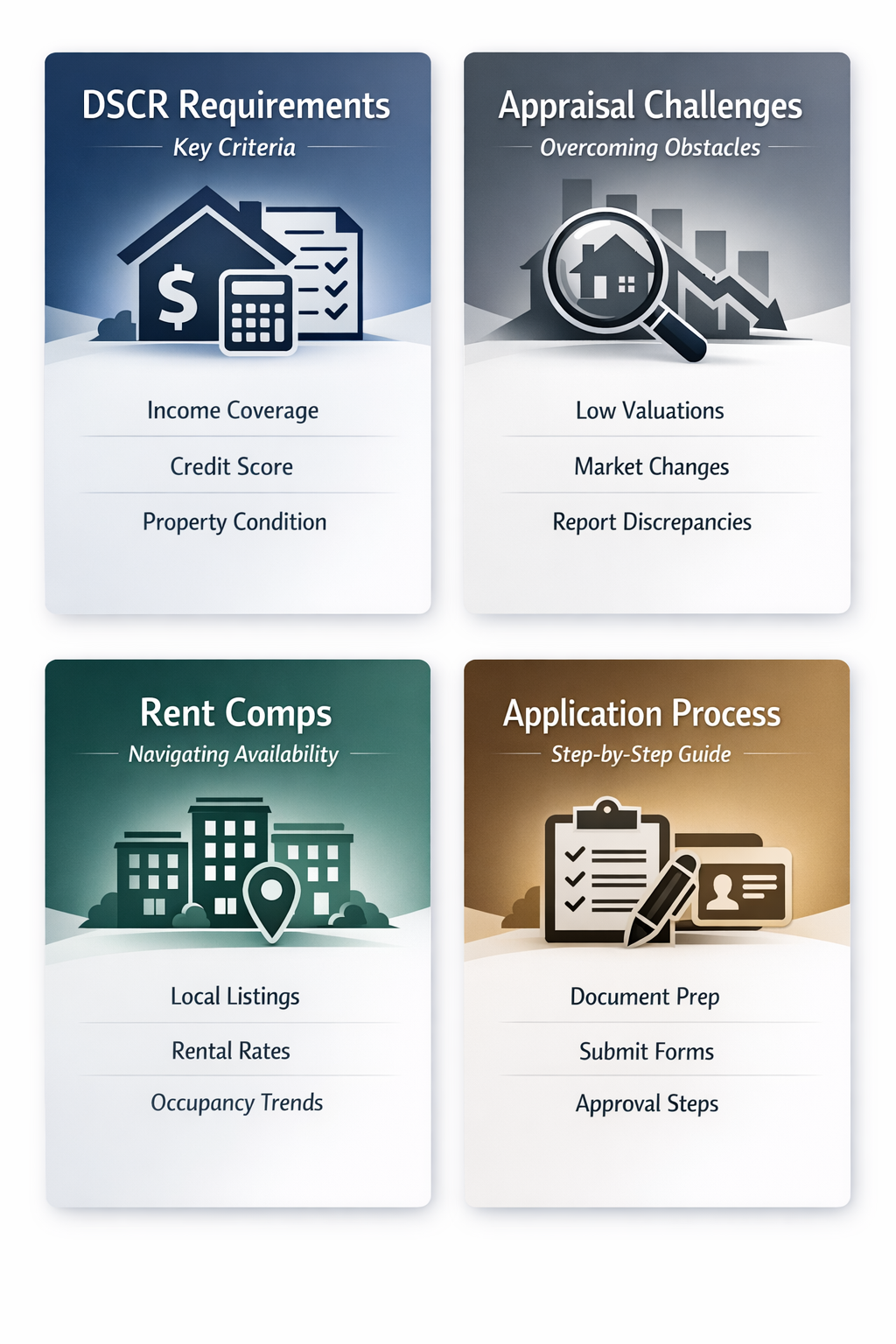
Essential DSCR Requirements for Rural Properties
Essential DSCR requirements for rural properties involve understanding the specific criteria lenders use when evaluating these unique investments. DSCR loans focus on the property's income-generating potential rather than personal financial statements, which can be particularly beneficial in rural markets.
Credit Score Standards: Most lenders typically require credit scores of 620 or higher, though some may accept lower scores with compensating factors like larger down payments or stronger cash reserves.
Debt Service Coverage Ratio: Lenders often accept DSCR ratios around 1.0 or higher, meaning the rental income should cover or exceed the monthly debt service obligations.
Down Payment Requirements: Rural properties may require 20-25% down payments, with some lenders offering more flexible terms based on the property's income potential.
Cash Reserve Standards: Investors might need 2-6 months of mortgage payments in reserves, which helps address the potential volatility of rural rental markets.
Overcoming Rural Appraisal Challenges
Overcoming rural appraisal challenges requires strategic preparation and understanding of how lenders approach property valuation in less populated areas. Rural appraisal challenges often stem from limited comparable sales and unique property characteristics that don't fit standard valuation models.
Property Condition Documentation: Comprehensive photo documentation and detailed property condition reports can help appraisers understand the property's value proposition when comparable sales are limited.
Income Approach Emphasis: DSCR lenders may rely more heavily on income approaches to valuation, making rental income documentation crucial for successful appraisals.
Market Area Expansion: Appraisers might need to look at broader geographic areas for comparables, which investors should anticipate and prepare for during the loan process.
Unique Feature Justification: Rural properties often have characteristics like larger lot sizes or agricultural potential that require specific documentation to support their value.
Navigating Limited Rent Comps Availability
Navigating limited rent comps availability in rural markets requires creative approaches to demonstrate rental income potential. When rent comps availability is scarce, investors and lenders must use alternative methods to establish realistic rental projections.
Regional Market Analysis: Expanding the search radius for rental comparables may provide better data points, even if properties aren't in the immediate vicinity.
Multiple Data Sources: Combining online rental platforms, local property management companies, and real estate agent input can create a more complete picture of rental potential.
Seasonal Considerations: Rural rental markets might have seasonal variations that need to be factored into income projections and DSCR calculations.
Property Type Adjustments: Similar property types in nearby areas can be adjusted for location differences to create meaningful rental income estimates.
Step-by-Step DSCR Application Process
The step-by-step DSCR application process for rural rental properties follows a systematic approach that addresses the unique challenges of rural market financing. Understanding this process helps investors prepare effectively and avoid common delays.
Pre-Qualification Assessment: Begin by evaluating your credit profile, available down payment funds, and the property's estimated rental income to determine if DSCR loan requirements can be met.
Property Analysis and Documentation: Gather comprehensive property information including recent comparable sales, rental market data, property condition details, and any unique features that might affect valuation.
Lender Selection and Application: Choose lenders experienced with rural properties and DSCR loans, then submit complete application packages with all required financial documentation and property details.
Appraisal and Underwriting Coordination: Work closely with the appraisal process by providing additional market data when needed and responding quickly to underwriter requests for clarification.
Closing Preparation: Review loan terms carefully, ensure all conditions are met, and coordinate with all parties to complete the transaction efficiently.
Optimizing Your Rural Property Investment
Optimizing your rural property investment through strategic DSCR loan structuring can maximize returns while managing risks effectively. Rural properties often offer unique advantages that investors can leverage with proper planning.
Cash Flow Maximization Strategies: Focus on properties where rental income significantly exceeds debt service requirements, creating positive cash flow that can weather market fluctuations or vacancy periods.
Property Improvement Planning: Identify value-add opportunities that can increase rental income and property value, such as modernizing utilities, improving energy efficiency, or adding desirable amenities.
Tenant Market Understanding: Research local employment centers, demographic trends, and housing demand patterns to ensure sustainable rental demand for your investment property.
Long-term Appreciation Factors: Consider rural market trends, infrastructure development plans, and economic factors that might influence property values over your intended holding period.
Portfolio Integration: Evaluate how rural properties fit into your overall investment strategy, including geographic diversification and risk management considerations.
Risk Management and Mitigation Strategies
Risk management and mitigation strategies for rural DSCR loans require careful attention to factors that might not be as prominent in urban markets. Rural rental properties can offer excellent returns, but they also present unique considerations that investors should address proactively.
Market Diversification Approach: Consider spreading rural investments across different geographic areas and property types to reduce concentration risk in any single market or economic sector.
Enhanced Due Diligence: Conduct thorough research on local economic conditions, major employers, population trends, and infrastructure development that could affect property values and rental demand.
Liquidity Planning: Rural properties might take longer to sell than urban counterparts, so ensure your investment timeline and exit strategy account for potentially extended marketing periods.
Property Management Solutions: Develop reliable property management systems, whether through local management companies or remote management technologies, to handle tenant relations and maintenance efficiently.
Key Takeaways for Rural DSCR Success
Key takeaways for rural DSCR success center on understanding that these loans offer a viable path to rural rental property investment when traditional financing approaches might fall short. Rural markets require patience, thorough research, and realistic expectations, but they can provide excellent opportunities for cash flow and long-term appreciation. Success with DSCR loans in rural areas typically depends on finding properties with strong rental income potential, working with experienced lenders who understand rural market dynamics, and maintaining adequate cash reserves to handle the unique challenges these markets may present. Investors who approach rural DSCR loans with proper preparation and realistic expectations often find these markets offer less competition and potentially higher returns than their urban counterparts.
A DSCR loan for rural rental properties can unlock investment opportunities that traditional financing might not support. While rural markets present unique challenges including appraisal complexities and limited rent comps availability, they also offer potential advantages like reduced competition and attractive cash flow opportunities. Success in rural DSCR lending typically requires thorough preparation, realistic expectations, and working with lenders who understand these specialized markets.
The key lies in approaching rural rental investments with a comprehensive understanding of both the opportunities and challenges involved. By focusing on properties with strong income potential, preparing for unique underwriting requirements, and implementing appropriate risk management strategies, investors can potentially build profitable rural rental portfolios through DSCR loan financing.