DSCR Loan Rehab in Progress: Navigating Financing During Active Renovations
Real estate investors often find themselves in a challenging position when they need financing for properties that are currently undergoing renovations. A DSCR loan rehab in progress scenario requires careful planning and understanding of lender expectations. While traditional financing might seem complicated during active construction, debt service coverage ratio loans can offer viable solutions for investors who understand the nuances of renovation status and completion timeline requirements.
The key to success lies in aligning your project's funding conditions with lender criteria, ensuring that your renovation timeline doesn't conflict with loan approval processes. Many investors discover that the right approach can turn an ongoing rehab into a strategic advantage rather than an obstacle.
Common Questions About DSCR Financing During Renovations
Understanding the intricacies of DSCR loan rehab in progress situations often begins with addressing fundamental concerns that investors face when navigating renovation financing.
Q:Can I qualify for a DSCR loan while my property is still under renovation?
The answer typically depends on the renovation status and your lender requirements. Many lenders may consider properties that are substantially complete or nearing completion, particularly when investors can demonstrate projected rental income and debt service coverage ratios between 1.0-1.25. However, extensive ongoing construction might require specialized bridge financing before transitioning to a traditional DSCR loan.
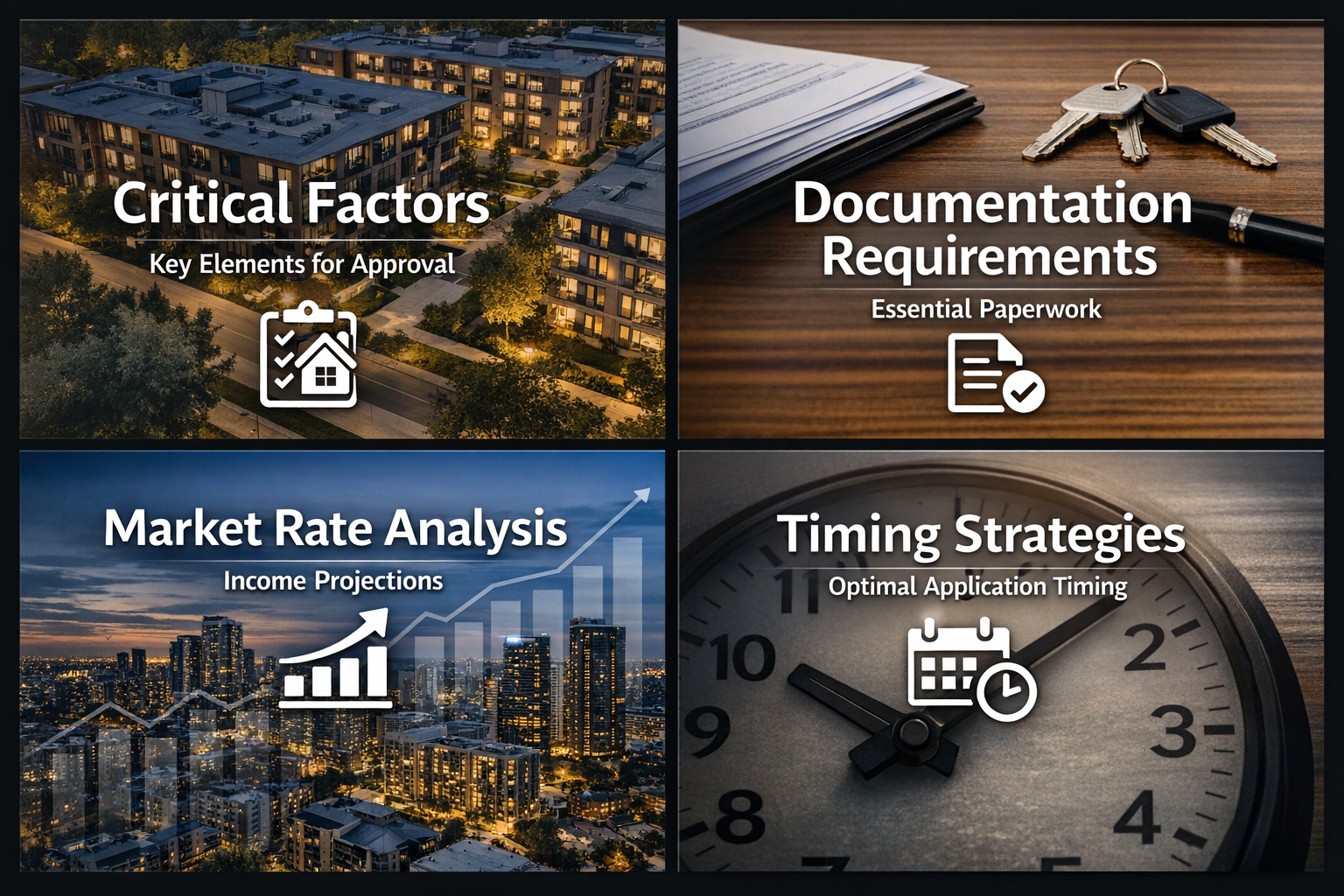
Critical Factors Affecting DSCR Approval During Rehabs
Several crucial elements influence your ability to secure DSCR financing when dealing with properties under renovation. These factors often determine whether lenders view your project as viable investment collateral.
Property Completion Percentage: Most lenders prefer properties that are at least 80-90% complete, with all major systems functional and certificate of occupancy available or obtainable.
Rental Income Documentation: Lenders need evidence of projected rental rates through comparable market analysis or existing lease agreements, which directly impacts your debt service coverage calculations.
Construction Timeline Clarity: A detailed completion timeline with contractor estimates helps lenders assess risk and determine appropriate loan terms for your specific situation.
Reserve Fund Requirements: Additional cash reserves might be required to cover potential construction overruns or delays that could affect your ability to generate rental income.
Documentation Requirements for In-Progress Renovations
Proper documentation becomes even more critical when seeking DSCR financing for properties with ongoing renovations. Missing documentation can significantly extend closing timelines, which typically range from 21-45 days under normal circumstances.
Detailed Scope of Work: Comprehensive renovation plans showing completed work versus remaining tasks, helping lenders understand the project's current status and future requirements.
Professional Inspections: Recent property inspections confirming that completed work meets code requirements and identifying any potential issues that could affect habitability or rental income.
Contractor Credentials: Licensed contractor information and completion guarantees provide lenders with confidence in your project's successful completion within the stated timeline.
Budget Reconciliation: Clear accounting of renovation costs spent versus remaining budget helps demonstrate financial control and project viability to potential lenders.
Market Rate Analysis for Incomplete Properties
Establishing realistic rental income projections for properties still under renovation requires careful market analysis and conservative estimating. This analysis directly impacts your debt service coverage ratio calculations and loan approval prospects.
Comparable Property Research: Analysis of similar renovated properties in your area provides baseline rental rates that lenders can verify and accept for DSCR calculations.
Upgrade Value Assessment: Documentation of how specific renovations might command premium rents compared to standard market rates, supported by local market data and tenant demand patterns.
Timing Considerations: Realistic projections about when the property will be rent-ready, accounting for final inspections, marketing time, and tenant placement in your financial projections.
Steps to Prepare Your Renovation Project for DSCR Financing
A systematic approach to preparing your renovation project for DSCR loan consideration can significantly improve your approval chances and reduce processing delays.
Complete Critical Systems First: Prioritize electrical, plumbing, and HVAC systems to demonstrate that the property can support tenants, as these are primary concerns for most lenders evaluating renovation projects.
Obtain Necessary Permits and Inspections: Ensure all renovation work has proper permits and passes required inspections, as lenders typically require proof of code compliance before approval.
Document Progress with Professional Photography: Regular progress photos help lenders visualize completion status and can expedite the underwriting process by providing clear evidence of work quality.
Prepare Financial Projections: Create detailed financial models showing projected rental income, operating expenses, and debt service coverage ratios based on completed renovation specifications.
Establish Lender Relationships Early: Connect with DSCR lenders who understand renovation projects and can provide guidance on their specific requirements before you need the financing.
Timing Strategies for Maximum Financing Success
Strategic timing can make the difference between loan approval and rejection when dealing with DSCR loan rehab in progress situations. Understanding optimal application timing helps investors position themselves for success.
Apply at 75-80% Completion: Most lenders prefer to see substantial completion before beginning the application process, as this reduces their perceived risk and expedites underwriting.
Plan for Extended Processing: Allow additional time beyond the typical 21-45 day closing timeline, as renovation projects often require additional documentation review and property inspections.
Coordinate with Project Milestones: Align your loan application with major completion milestones, such as certificate of occupancy or final inspections, to present the strongest possible application.
Consider Bridge Financing Options: For properties requiring extensive additional work, bridge loans might provide interim financing before transitioning to long-term DSCR financing upon completion.
Successfully navigating DSCR loan rehab in progress scenarios requires careful planning, thorough documentation, and realistic timeline expectations. While renovation projects present unique challenges, investors who understand lender requirements and prepare accordingly can secure favorable financing terms.
The key lies in demonstrating that your renovation project will generate sufficient rental income to meet debt service coverage requirements while providing lenders with confidence in your project's completion. By focusing on proper documentation, realistic market analysis, and strategic timing, investors can turn ongoing renovations into successful financing opportunities that support their long-term investment goals.