When securing debt service coverage ratio financing for your investment properties, understanding DSCR loan insurance requirements becomes critical to your success. These specialized loan products focus on property income rather than personal credit, but they come with specific insurance obligations that investors must meet.
Lenders require comprehensive coverage to protect their investment in your rental properties. From landlord policies to hazard coverage and deductible limits, each component plays a vital role in loan approval and ongoing compliance. Getting these requirements right from the start can save you time, money, and potential headaches down the road.
Core Insurance Coverage Tips for DSCR Investors
Core insurance coverage tips for DSCR investors start with understanding that landlord policies differ significantly from standard homeowner's insurance. These specialized policies typically cover property damage, liability protection, and loss of rental income. Most lenders require Coverage A (dwelling protection) to match or exceed the loan amount, ensuring adequate protection for their collateral.
Secure landlord insurance rather than homeowner's coverage, as it addresses rental property risks like tenant damage and liability claims. This policy type often includes provisions for vacancy periods and rental income loss that standard policies exclude.
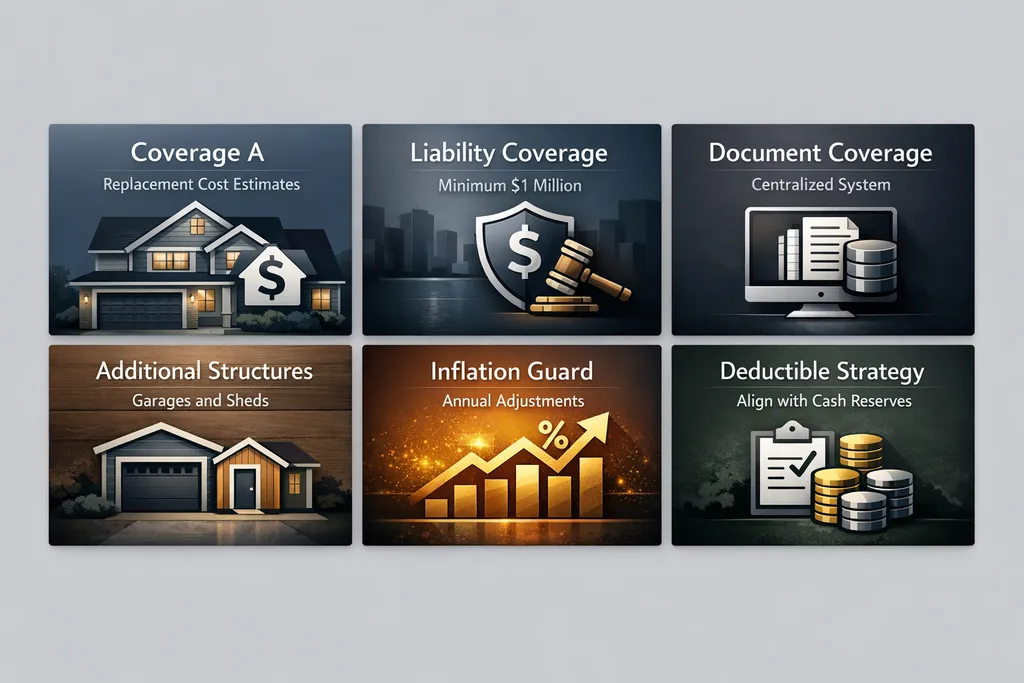
Maintain liability coverage of at least $1 million per occurrence, though many investors opt for $2 million or higher to protect their overall portfolio. Higher liability limits might also help you negotiate better loan terms with some lenders.
Document all coverage details and renewal dates in a centralized system, as lapse notifications can trigger loan acceleration clauses. Some investors use property management software to track insurance renewals alongside other critical dates.
Hazard Coverage Requirements and Calculations
Hazard coverage requirements and calculations form the backbone of DSCR loan insurance requirements compliance. Lenders typically require hazard insurance to cover specific perils like fire, wind, hail, and other natural disasters that could damage the property structure. The calculation process involves determining replacement cost rather than market value, which can sometimes exceed the property's purchase price.
Calculate Coverage A based on replacement cost estimates from licensed contractors or professional appraisers, not the property's market value. This ensures you can rebuild the structure to current building codes and material costs if necessary.
Include coverage for additional structures like garages, sheds, or detached units that generate rental income, as these contribute to the property's debt service capacity. Many investors underestimate the importance of outbuilding coverage until they face a claim.
Factor in inflation guard clauses that automatically adjust coverage limits annually, protecting against rising construction costs. This feature helps maintain adequate coverage without requiring manual policy adjustments each year.
Deductible Strategy for Investment Properties
Investment properties require balancing premium costs against potential out-of-pocket expenses during claims. Most lenders set maximum deductible limits, typically ranging from $2,500 to $5,000 for standard perils, though hurricane and wind deductibles may be higher in certain markets. Smart investors analyze their cash reserves and risk tolerance when selecting deductible amounts.
Choose deductibles that align with your available cash reserves, ensuring you can handle multiple claims across your portfolio without financial strain. Consider setting aside 2-3 times your total deductible amounts in an emergency fund for all properties.
Negotiate lower wind and hail deductibles in areas prone to severe weather, as these events often affect multiple properties simultaneously. The additional premium cost might be worth the reduced exposure during widespread storm events.
Review deductible limits annually as your portfolio grows, adjusting coverage to match your improved cash position and risk management capabilities. What made sense for your first property may not be optimal for a larger portfolio.
Essential Documentation Steps for Loan Approval
Essential documentation steps for loan approval start well before you submit your DSCR loan application. Lenders require specific insurance documentation to verify coverage amounts, policy terms, and beneficiary information. Having these documents organized and readily available can significantly speed up the underwriting process.
Obtain insurance quotes that meet or exceed lender requirements before making purchase offers, allowing you to accurately calculate total carrying costs. Include quotes in your deal analysis to ensure the property remains profitable after insurance expenses.
Secure binders or certificates of insurance immediately upon property closing, ensuring no coverage gaps that could violate loan terms. Many lenders require insurance to be in effect before funding the loan, making timing critical.
Establish the lender as an additional insured party and loss payee on all policies, protecting their financial interest in the property. This designation ensures they receive claim notifications and have input on settlement amounts for covered losses.
Maintain detailed records of all insurance correspondence, including policy changes, claim history, and renewal documentation. These records become valuable during refinancing or when adding properties to your portfolio.
Property-Specific Coverage Considerations
Property-specific coverage considerations vary significantly based on location, property type, and tenant demographics. Single-family rentals might require different coverage than multi-unit properties, while coastal properties need specialized wind and flood protection. Understanding these nuances helps investors secure appropriate coverage while controlling costs.
Evaluate flood insurance requirements based on FEMA flood zone designations, as standard policies exclude flood damage. Even properties outside high-risk zones might benefit from flood coverage, especially in areas with poor drainage or near water bodies.
Consider additional endorsements for specific property features like swimming pools, trampolines, or recreational facilities that increase liability exposure. These amenities can attract higher-paying tenants but require specialized coverage to protect against increased risks.
Assess coverage needs for properties with mixed-use components, such as residential units with commercial space. These properties might require hybrid policies or separate commercial coverage for non-residential portions.
Factor in local building code requirements and upgrade costs when determining coverage limits, as older properties might need extensive modifications to meet current standards. Building ordinance coverage can help bridge the gap between standard replacement costs and code compliance expenses.
Common Insurance Pitfalls to Avoid
Common insurance pitfalls to avoid can save investors thousands of dollars and prevent loan complications. Many investors make costly mistakes by treating rental property insurance like personal coverage or failing to understand policy exclusions. Learning from these common errors helps protect both your properties and your financing relationships.
Avoid using homeowner's insurance on rental properties, as these policies typically exclude coverage for business activities and tenant-related damages. The cost difference between homeowner's and landlord policies is usually minimal compared to the coverage gaps.
Don't underinsure properties to save on premiums, as this can violate loan covenants and leave you financially exposed during claims. Lenders may require coverage increases or impose their own insurance at your expense if they discover inadequate coverage.
Never allow policies to lapse, even temporarily, as this can trigger loan default provisions and damage your relationship with lenders. Set up automatic renewals and maintain calendar reminders well before expiration dates.
Resist the temptation to exclude certain coverages without understanding the implications, as seemingly minor exclusions can result in major claim denials. Review policy exclusions carefully and discuss coverage gaps with your insurance agent.
Mastering DSCR loan insurance requirements positions you for long-term success in real estate investing. These requirements might seem complex initially, but they serve to protect both you and your lenders from significant financial losses. By understanding landlord policy needs, calculating appropriate hazard coverage, and selecting smart deductible limits, you create a solid foundation for your investment strategy.
The key lies in viewing insurance not as an expense, but as an essential tool for portfolio protection and lender relationship management. Work with experienced insurance agents who understand investment property needs, and don't hesitate to shop around for coverage that balances cost with comprehensive protection. Your diligence in meeting these requirements today will pay dividends throughout your investing career.