Real estate investors are increasingly turning to DSCR loans to build profitable rental portfolios without the traditional income documentation hurdles. These debt service coverage ratio loans focus on property cash flow rather than personal income, creating new opportunities for strategic investors. Through examining actual DSCR loan case study examples, you can understand how experienced investors are using these financing tools to transition from short-term projects to long-term rental income streams. The following case studies reveal practical strategies, income analysis methods, and loan structure decisions that might help inform your next investment move.
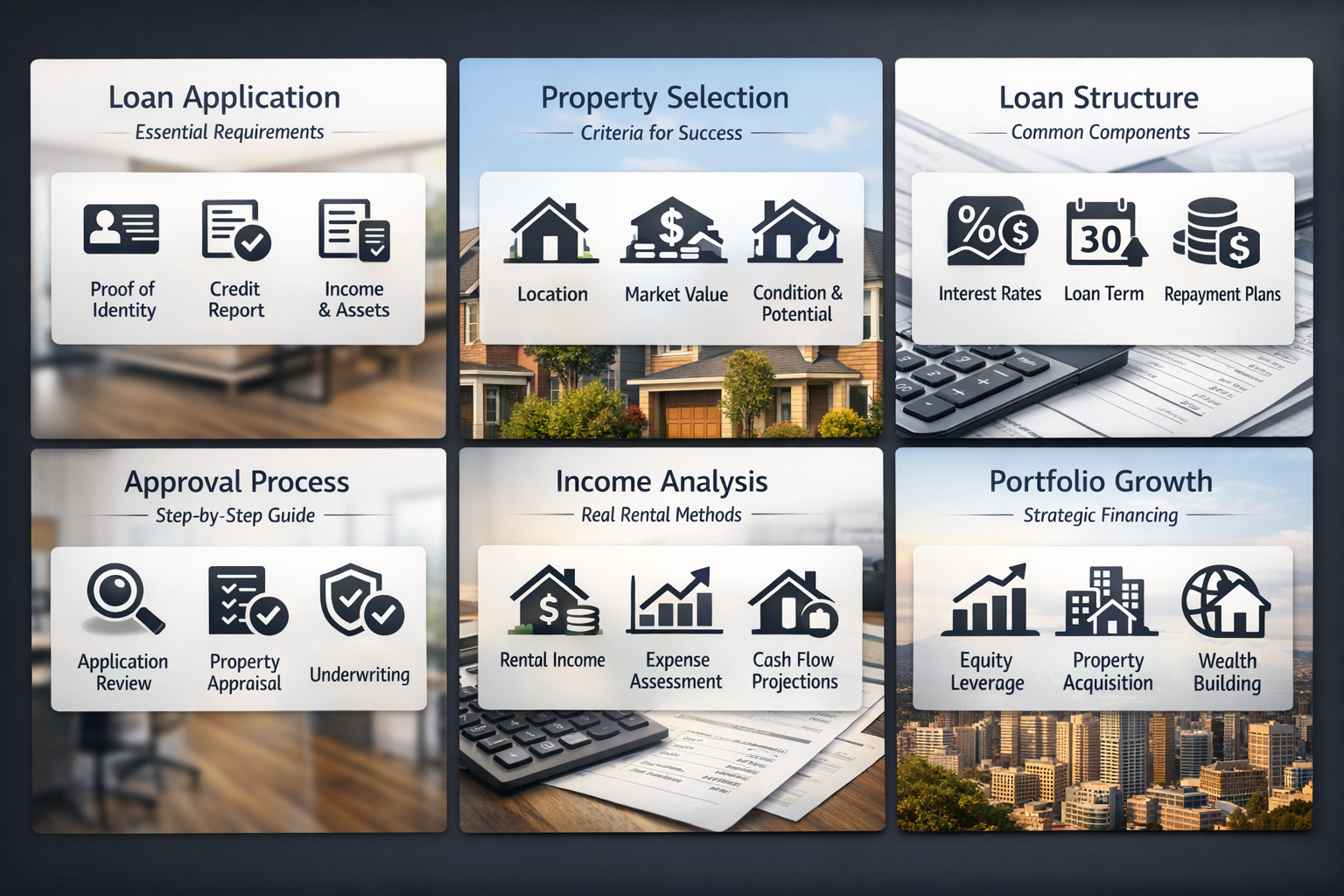
Essential DSCR Loan Application Requirements
Understanding the essential DSCR loan application requirements can help streamline your financing process and improve approval odds. Unlike traditional mortgages that heavily scrutinize personal income, these loans typically focus on property performance metrics and rental income for financing potential.
Property rental income documentation or rent roll analysis showing current or projected monthly cash flow
Property appraisal with rental income assessment to determine market rent potential
Credit score requirements that often range from 620 to 680, depending on the lender
Down payment typically between 20% to 25% of the property purchase price
Debt service coverage ratio calculation showing the property generates sufficient income to cover mortgage payments
Property Selection Criteria for DSCR Success
Property selection criteria for DSCR success focuses on identifying rental properties that generate strong cash flow relative to their debt obligations. Smart investors typically evaluate properties based on rental income potential rather than just purchase price or location preferences.
Monthly rental income that exceeds 1.25 times the proposed mortgage payment
Properties in stable rental markets with consistent tenant demand
Single-family homes, small multifamily units, or short-term rental properties with proven income history
Properties requiring minimal immediate capital improvements that could impact cash flow
Locations with strong rental market fundamentals and low vacancy rates
Common DSCR Loan Structure Components
Common DSCR loan structure components vary among lenders but typically include specific terms designed to accommodate rental property investors. These loan structures often provide more flexibility than traditional mortgages while focusing on property income potential.
Interest rates that may be slightly higher than owner-occupied mortgages but competitive for investment properties
Loan terms ranging from 30-year amortization schedules to interest-only payment options
No personal income verification requirements, though some lenders may request basic financial statements
Property cash flow analysis using actual rents or market rent assessments
Prepayment penalty structures that might apply during the initial loan period
Step-by-Step DSCR Loan Approval Process
The step-by-step DSCR loan approval process typically moves faster than traditional mortgage applications since personal income verification is often minimized or eliminated entirely.
Submit initial loan application with property address and basic borrower information
Provide property rental income documentation or market rent analysis from the appraisal
Complete property appraisal process that includes rental income assessment
Review and approve final loan terms, interest rate, and payment structure
Close on the loan and begin utilizing the property for rental income generation
Real Rental Example Income Analysis Methods
Real rental example income analysis methods demonstrate how lenders evaluate property cash flow potential during the underwriting process. These analysis techniques help ensure the property can support the proposed debt service.
Market rent analysis comparing similar properties in the area to establish realistic rental income projections
Existing lease agreements review for properties with current tenants and established rental history
Short-term rental income assessment using booking data and seasonal occupancy patterns
Property expense analysis including taxes, insurance, maintenance, and vacancy allowances
Net operating income calculation that factors gross rental income minus operating expenses
Strategic Portfolio Growth Through DSCR Financing
Strategic portfolio growth through DSCR financing allows investors to scale their rental property holdings without being constrained by personal income limitations. This financing approach can facilitate faster portfolio expansion by focusing on individual property performance rather than cumulative personal debt-to-income ratios. Successful investors often use DSCR loans to transition from fix-and-flip projects into long-term rental holdings, creating consistent cash flow streams. The ability to qualify based on rental income rather than personal income documentation might enable investors to acquire multiple properties more efficiently. However, investors should carefully evaluate each property's cash flow potential and ensure adequate reserves for property management and maintenance costs before expanding their portfolios.
DSCR loan case study examples demonstrate the practical benefits of rental income-focused financing for real estate investors. These loans can provide pathways to portfolio growth by emphasizing property cash flow over personal income documentation. From transitioning fix-and-flip projects to long-term rentals to financing short-term rental properties, DSCR loans offer flexibility that traditional mortgages might not provide. Success with DSCR financing typically depends on careful property selection, realistic income analysis, and understanding the loan structure components. As lending products continue to evolve, staying informed about DSCR loan options and requirements can help you make strategic decisions for your rental property investments.