Location matters more than most investors realize when building a rental property portfolio. The best states for landlord friendly investing can dramatically reduce your operating costs, simplify property management, and improve your ability to secure DSCR loans with predictable income streams. States with clear eviction laws, no rent control policies, and strong investor protections create environments where real estate investors can operate efficiently and scale confidently.
As you evaluate markets for your next acquisition, understanding which states support landlords through favorable legal frameworks can mean the difference between smooth operations and costly legal battles. States that balance tenant rights with property owner protections typically offer the most stable environments for fix and flip financing, buy and hold strategies, and long-term portfolio growth.
This guide breaks down the top landlord-friendly states for real estate investors in 2025, examining the regulatory conditions, tax environments, and economic factors that impact rental property returns. Whether you're applying for DSCR loans or planning your next flip, these insights will help you target markets that support investor success.
What to Do When Targeting Landlord-Friendly Markets
Real estate investors who consistently build profitable rental portfolios know that market selection requires careful evaluation of legal and economic conditions. When you're targeting the best states for landlord friendly investing, certain practices will position you for success and help you maximize returns while minimizing regulatory friction.
Research state-level eviction laws before making offers. States with streamlined eviction processes can help you recover properties faster if tenant issues arise, reducing holding costs and protecting cash flow needed for DSCR loan payments.
Prioritize states with no rent control ordinances. Markets without rent caps allow you to adjust rents in response to market conditions, supporting the predictable income projections that lenders value during underwriting.
Evaluate property tax rates and state income tax structures. States with lower tax burdens can significantly improve your net operating income and enhance debt service coverage ratios, making DSCR loan qualification more straightforward.
Analyze economic growth indicators like job creation and population in-migration. Strong local economies typically correlate with rental demand stability, supporting both occupancy rates and the appraisal values that impact loan-to-value ratios.
What to Avoid in Landlord Investment Markets
Just as important as knowing where to invest is understanding which market conditions can complicate property management, erode margins, and create financing challenges. Avoiding these pitfalls helps you protect capital and maintain the operational flexibility that supports portfolio growth.
Don't overlook states with lengthy security deposit return timelines. Extended holding periods for deposits can tie up working capital and create administrative burdens that reduce operational efficiency, particularly for investors managing multiple properties.
Avoid markets with overly tenant-favorable eviction processes. States that require extensive legal proceedings or impose long waiting periods can dramatically increase holding costs during problem tenancies, impacting your ability to maintain consistent debt service payments.
Steer clear of jurisdictions implementing new rent control measures. Even if current laws are favorable, proposed rent caps or restrictive ordinances can threaten future income growth and reduce property values over time.
Don't ignore local permitting complexity for renovation projects. For fix and flip investors, markets with cumbersome permitting processes can extend project timelines, increase soft costs, and delay the refinance or sale that completes your exit strategy.
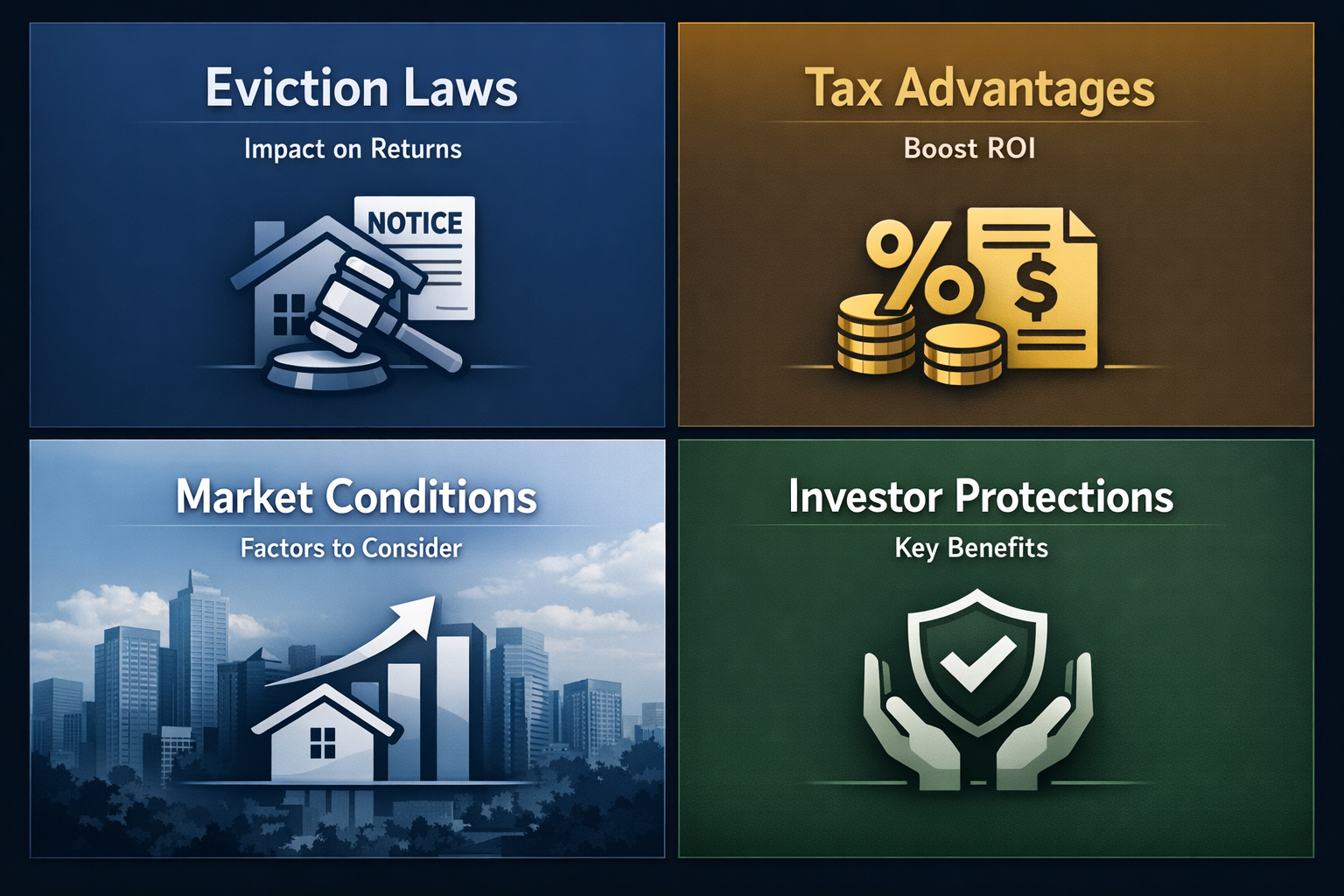
Top States Offering Strong Investor Protections
When evaluating the best states for landlord friendly investing, several markets consistently rank at the top due to their combination of clear rental laws, favorable tax structures, and economic fundamentals. These states offer real estate investors the regulatory certainty needed to operate efficiently and the economic conditions that support rental property appreciation.
Texas: No State Income Tax and Clear Rental Laws. Texas combines a business-friendly regulatory environment with robust population growth and diverse job markets. The absence of state income tax improves net returns, while clear landlord-tenant laws provide predictability for property managers. Strong market demand across major metros supports consistent rent growth, making Texas properties attractive for DSCR loan qualification due to stable income projections.
Alabama: Low Property Taxes and Flexible Security Deposit Rules. Alabama offers some of the lowest property tax rates in the nation, directly improving cash-on-cash returns for rental investors. The state imposes no rent control and provides landlords with reasonable timelines for security deposit returns, reducing administrative friction. These conditions make Alabama particularly appealing for cost-conscious investors focused on maximizing net operating income.
Florida: Economic Growth and No State Income Tax. Florida's combination of strong in-migration, tourism-driven economic activity, and favorable tax treatment creates a compelling environment for rental property investment. The state supports landlord rights through reasonable eviction processes and no statewide rent control, though investors should evaluate county-level ordinances. Florida's economic momentum typically supports both rent growth and property appreciation over time.
Colorado: Balanced Regulations and Strong Rental Demand. Colorado provides a middle ground with investor protections and strong rental markets driven by lifestyle appeal and economic diversity. The state maintains no rent control at the state level and offers reasonable security deposit timelines, creating operational flexibility for property owners. Growing urban centers provide consistent rental demand that supports DSCR loan underwriting.
Indiana: Landlord-Friendly Eviction Laws and Affordable Entry Points. Indiana offers streamlined eviction processes that help landlords address problem tenancies quickly, reducing lost rental income. Combined with affordable property acquisition costs and reasonable property taxes, Indiana can provide attractive cash flow for buy and hold investors. The state's regulatory framework tends to balance tenant protections with landlord operational needs.
How Eviction Laws Impact Investment Returns
Eviction laws represent one of the most critical factors separating landlord-friendly states from those that create operational challenges for investors. Understanding how these laws impact your bottom line can help you make smarter acquisition decisions and protect the cash flow stability that DSCR lenders evaluate during underwriting.
Streamlined Processes Reduce Holding Costs. States with clear eviction timelines and straightforward legal requirements allow landlords to recover properties more quickly when tenants violate lease terms. Faster evictions mean fewer months of lost rental income and lower legal fees, directly protecting the debt service coverage ratios that support loan performance.
Predictable Legal Frameworks Support Budgeting. When eviction processes follow consistent timelines and requirements, investors can more accurately budget for potential vacancies and legal costs. This predictability makes financial modeling more reliable and helps you present stronger loan applications based on realistic income projections.
Balanced Laws Attract Quality Property Management. Markets with reasonable eviction procedures tend to have more competitive property management options, as management companies can operate efficiently without excessive legal risks. Access to experienced management improves tenant screening, reduces problem tenancies, and supports the consistent occupancy that lenders value.
Investor Confidence Drives Market Liquidity. States known for landlord-friendly eviction laws typically attract more real estate investors, creating deeper markets with better liquidity. When you're ready to exit a property, markets with active investor demand can support faster sales at competitive valuations, improving your overall portfolio velocity.
Tax Advantages That Boost Rental Property ROI
Tax structures play a major role in determining net returns for rental property investors. The best states for landlord friendly investing often feature tax environments that preserve more of your rental income and improve overall portfolio economics, making these markets particularly attractive for DSCR loan investments.
No State Income Tax Preserves Cash Flow. States without personal income tax, including Texas and Florida, allow investors to retain more rental income without state-level taxation on profits. This advantage becomes more pronounced as your portfolio scales, potentially saving tens of thousands annually on larger income streams. The improved cash flow directly supports debt service coverage and provides more capital for reinvestment.
Lower Property Tax Rates Improve NOI. Property taxes represent one of the largest fixed expenses for rental investors, directly impacting net operating income. States with below-average property tax rates, such as Alabama, allow investors to maintain higher margins on the same rental income. Lower property taxes also support more competitive rental pricing, potentially improving occupancy rates in price-sensitive markets.
Favorable Depreciation and Cost Segregation Opportunities. While federal tax treatment remains consistent across states, local property tax assessments and appeal processes can vary significantly. States with reasonable assessment practices and accessible appeal mechanisms help investors manage property tax growth over time, protecting long-term returns from unexpected increases that erode margins.
Business-Friendly Regulatory Costs. Beyond direct taxation, states with lower regulatory compliance costs, simplified business registration, and minimal licensing requirements reduce the administrative expenses of operating rental properties. These savings compound across multiple properties and contribute to the overall tax efficiency of your investment strategy.
Selecting the best states for landlord friendly investing requires balancing legal frameworks, economic fundamentals, and tax structures to identify markets that support operational efficiency and strong returns. States like Texas, Alabama, Florida, Colorado, and Indiana consistently rank among the top choices due to their combination of clear eviction laws, reasonable property taxes, and growing rental demand.
Real estate investors who prioritize these landlord-friendly markets typically find it easier to secure DSCR loans, manage properties efficiently, and scale portfolios with predictable cash flow. The regulatory certainty these states provide reduces operational risks and creates the stable income streams that lenders value during underwriting.
As you build or expand your rental property portfolio, focusing on markets with investor-supportive policies can significantly impact your long-term success. Whether you're pursuing fix and flip financing or building a buy and hold portfolio, targeting states that balance tenant rights with landlord protections positions you for sustainable growth and consistent returns.