How Vacancy Rates Determine Your DSCR Loan Success
When applying for DSCR loans, the vacancy impact on approval often catches investors off guard. Unlike traditional mortgage products that focus primarily on personal income, DSCR loans hinge on a property's ability to generate consistent rental income. However, lenders don't just look at current occupancy rates. They carefully evaluate how potential vacancies might affect your property's debt service coverage ratio, and this analysis can significantly influence your loan approval odds.
Understanding the relationship between vacancy assumptions and DSCR calculations helps investors position their properties more strategically. Lenders typically apply vacancy stress tests to determine whether your rental income can sustain mortgage payments even during periods of reduced occupancy. This process involves sophisticated risk modeling that accounts for local market conditions, property types, and economic fluctuations.
Essential Vacancy Factors Lenders Evaluate
Essential vacancy factors lenders evaluate play a critical role in determining your DSCR loan approval. Lenders don't rely on optimistic projections when assessing your property's income potential. Instead, they apply systematic approaches to evaluate how vacancy rates might impact your ability to service debt obligations.
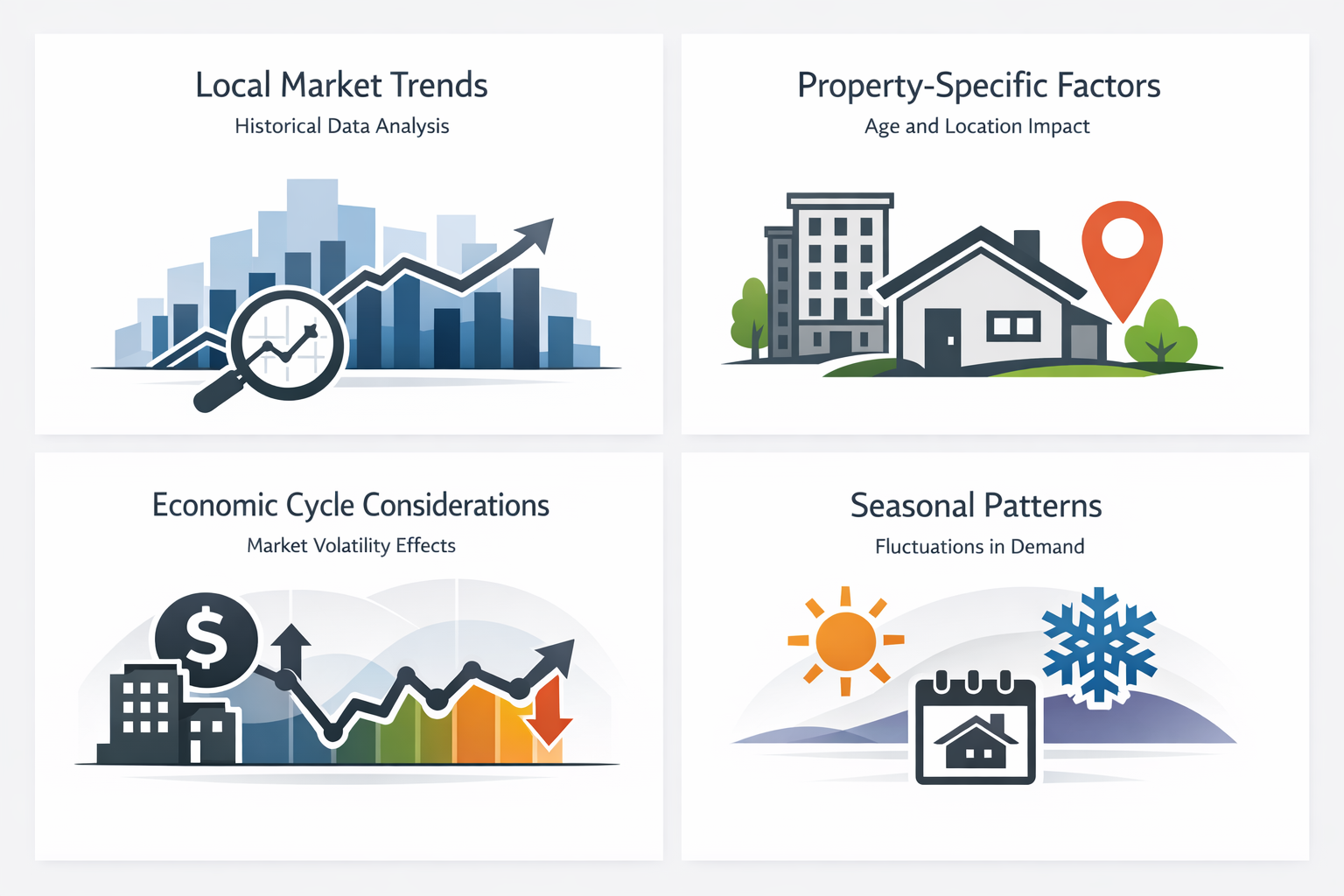
Local Market Vacancy Trends: Lenders analyze historical vacancy data for your specific market area and property type to establish realistic expectations for future performance.
Property-Specific Risk Factors: Age, condition, location, and tenant mix all influence how lenders assess vacancy risk for individual properties.
Economic Cycle Considerations: Market volatility and economic downturns can increase vacancy rates, so lenders factor these potential scenarios into their approval decisions.
Seasonal Vacancy Patterns: Some rental markets experience predictable seasonal fluctuations that lenders incorporate into their DSCR vacancy factor calculations.
DSCR Vacancy Factor Calculations
DSCR vacancy factor calculations directly determine how much rental income lenders will recognize for qualification purposes. These calculations involve applying assumed vacancy rates to your property's gross rental income, which then affects your net operating income and final debt service coverage ratio.
Standard Vacancy Assumptions: Most lenders apply vacancy factors ranging from 5% to 15% depending on market conditions and property characteristics.
Net Operating Income Impact: Higher vacancy assumptions reduce your effective rental income, which may lower your DSCR below acceptable thresholds.
Market-Specific Adjustments: Lenders may adjust vacancy factors based on local rental market stability and historical performance data.
Property Management Considerations: Professional property management might allow for lower vacancy assumptions due to improved tenant retention and faster lease-up times.
Stress Testing Income Scenarios
Stress testing income scenarios helps lenders evaluate your property's resilience under challenging market conditions. This process involves modeling various adverse scenarios to ensure your investment can maintain adequate debt service coverage even when faced with increased vacancies or other operational challenges.
Interest Rate Fluctuation Tests: Lenders may model how rising interest rates combined with higher vacancy rates affect your overall investment performance.
Extended Vacancy Periods: Stress tests often include scenarios where properties experience vacancy periods longer than typical market averages.
Rent Reduction Scenarios: Some stress tests evaluate how decreased rental rates combined with vacancy periods might impact debt service coverage capabilities.
Multiple Factor Analysis: Advanced stress testing combines vacancy increases with other negative factors like higher maintenance costs or property management challenges.
Steps to Improve Vacancy-Related Approval Odds
Steps to improve vacancy-related approval odds require strategic preparation and realistic financial projections. Investors can take specific actions to demonstrate their properties' stability and income reliability to lenders evaluating DSCR loan applications.
Document Tenant Stability: Provide lease agreements, tenant payment histories, and renewal rates to demonstrate consistent occupancy patterns and reliable income streams.
Highlight Property Improvements: Document recent upgrades, maintenance investments, and improvements that enhance tenant retention and reduce vacancy risks.
Present Market Analysis: Include comprehensive market studies showing local rental demand, competitive positioning, and factors that support sustained occupancy levels.
Demonstrate Management Expertise: Show track record of successful property management, quick tenant placement, and effective vacancy mitigation strategies.
Risk Modeling Strategies for Investors
Risk modeling strategies for investors should align with lender expectations while providing realistic assessments of property performance. Developing comprehensive risk models helps investors make informed decisions and present compelling cases to DSCR loan underwriters.
Conservative Income Projections: Use vacancy assumptions that match or exceed lender expectations to ensure your financial projections remain achievable under stress testing scenarios.
Multiple Scenario Planning: Develop best-case, realistic, and worst-case scenarios that account for varying vacancy rates and market conditions over the loan term.
Cash Flow Cushion Analysis: Calculate minimum cash flow requirements and ensure your projections maintain adequate debt service coverage even with elevated vacancy assumptions.
Market Cycle Preparation: Factor economic cycles and market downturns into long-term projections to demonstrate sustainable investment strategies.
Common Approval Mistakes to Avoid
Common approval mistakes to avoid can mean the difference between loan approval and rejection. Many investors underestimate how significantly vacancy assumptions affect DSCR calculations and fail to adequately prepare for lender scrutiny of their income projections.
Overly Optimistic Projections: Avoid presenting unrealistic vacancy rates that don't align with local market data or ignore seasonal fluctuations in rental demand.
Insufficient Market Research: Don't rely on generic vacancy assumptions when local market conditions might require higher or lower factors for accurate risk assessment.
Inadequate Documentation: Failing to provide comprehensive lease histories, tenant quality information, and property condition reports can raise red flags during underwriting reviews.
Ignoring Stress Test Implications: Not considering how lender stress tests might affect your DSCR can result in applications that fail to meet minimum coverage ratio requirements.
Strategic Takeaway for Investors
Strategic takeaway for investors centers on proactive preparation and realistic expectations when dealing with vacancy impact on approval decisions. Success with DSCR loans requires understanding that lenders prioritize conservative income projections over optimistic scenarios. Investors who align their applications with lender risk modeling practices typically experience smoother approval processes and better loan terms. The key lies in demonstrating property stability through comprehensive documentation while acknowledging market realities that affect vacancy rates and rental income sustainability.
The vacancy impact on approval represents one of the most critical factors in DSCR loan underwriting decisions. Successful investors recognize that lenders must balance risk and reward when evaluating rental property loans, and vacancy assumptions play a central role in this analysis. By understanding how DSCR vacancy factors affect loan calculations and preparing comprehensive applications that address potential concerns, investors can significantly improve their approval odds.
Moving forward, focus on building relationships with lenders who understand your local market conditions and investment strategy. Document your properties' performance history, maintain realistic projections, and always prepare for stress testing scenarios that might arise during underwriting. This approach positions you for long-term success in building and financing your real estate investment portfolio through DSCR loan products.