Real estate investors looking to expand their portfolios with short-term rental properties face unique financing challenges. Traditional mortgage products often struggle to accommodate the income volatility that comes with Airbnb and vacation rental investments. However, using Airbnb income for DSCR loan qualification has emerged as a game-changing approach for savvy investors.
DSCR loans focus on the property's ability to generate income rather than your personal financial documents. This shift in underwriting criteria opens doors for investors who might not qualify through conventional channels but own properties with strong rental potential. Understanding how to properly document and present your short-term rental income can mean the difference between loan approval and rejection.
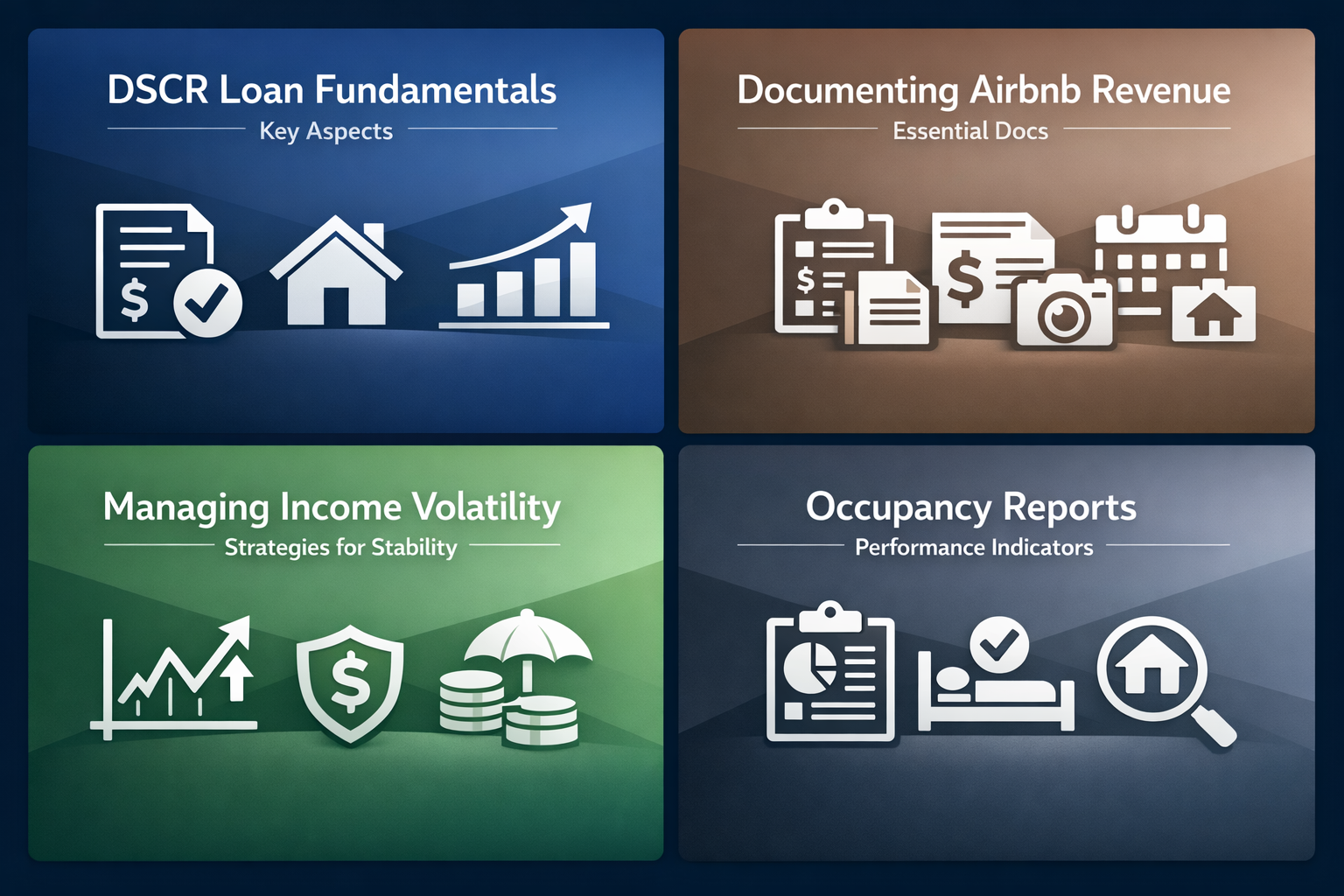
DSCR Loan Fundamentals for Short-Term Rentals
DSCR loan fundamentals for short-term rentals differ significantly from traditional mortgage products. These loans evaluate your property's debt service coverage ratio rather than requiring W-2s or tax returns from your personal finances.
Property income takes priority over personal income verification in the underwriting process
Lenders focus on the asset's cash flow potential rather than your employment history or personal debt-to-income ratios
Short-term rental projections can be used when actual operating history isn't available for newer investments
The streamlined approval process typically moves faster than conventional investment property loans
This approach particularly benefits investors who operate multiple properties or have complex tax situations that might complicate traditional loan applications. The emphasis on property performance allows seasoned investors to leverage their market knowledge and property selection skills more effectively.
Documenting Airbnb Revenue Streams
Documenting Airbnb revenue streams requires careful attention to the specific requirements that DSCR lenders expect. Proper documentation forms the foundation of your loan application and directly impacts approval odds.
Annual income averaging helps smooth out seasonal fluctuations that might otherwise concern lenders
Projected rental income using analytics platforms can support applications for properties without extensive operating history
Short term rental docs should include booking confirmations, payout statements, and occupancy reports from your hosting platform
Market analysis data strengthens projections by showing comparable property performance in your area
The key lies in presenting a comprehensive picture of your property's earning potential. Lenders want to see consistent income patterns, even if individual months show variation due to seasonal demand or local events.
Managing Income Volatility Challenges
Managing income volatility challenges becomes crucial when lenders evaluate short-term rental properties for DSCR loan approval. The seasonal nature of vacation rentals requires strategic presentation of financial data.
Annual averaging smooths monthly income fluctuations that could otherwise raise red flags during underwriting
Peak season performance data demonstrates the property's maximum earning potential
Occupancy reports show consistent booking patterns and help justify projected income figures
Market diversification through multiple booking platforms can reduce dependency on any single revenue source
Smart investors learn to frame income volatility as an opportunity rather than a weakness. Properties that generate higher returns during peak seasons often outperform steady rental properties over annual periods, making them attractive to DSCR lenders who understand the short-term rental income market dynamics.
Occupancy Reports and Performance Metrics
Occupancy reports and performance metrics provide the concrete data that DSCR lenders need to evaluate your short-term rental investment. These documents transform your income projections from estimates into data-driven forecasts.
Historical occupancy rates demonstrate consistent demand for your property type and location
Average daily rates show your pricing strategy aligns with market conditions
Seasonal booking patterns help lenders understand when income peaks and valleys occur throughout the year
Guest review scores and repeat booking rates indicate property quality and management effectiveness
These metrics work together to paint a picture of a well-managed, profitable short-term rental operation. Lenders gain confidence when they see evidence of strong operational performance backing up your income projections.
Strategic Application Tips for DSCR Success
Strategic application tips for DSCR success can significantly improve your chances of loan approval while potentially securing better terms. The application process rewards preparation and market knowledge.
Compare DSCR loan rates against conventional investment property loans to ensure the financing aligns with your investment strategy
Leverage rental analytics tools to create professional income projections that demonstrate market understanding
Present strong property income documentation that shows the asset can comfortably service the debt
Time your application when you have several months of strong performance data to showcase
Remember that DSCR loans typically carry slightly higher interest rates than conventional investment loans due to their flexible underwriting criteria. However, the ability to qualify based on property performance rather than personal income often makes this premium worthwhile for active real estate investors.
Using Airbnb income for DSCR loan qualification opens new possibilities for real estate investors ready to capitalize on the short-term rental market. The key lies in understanding how to present your property's income potential in ways that align with lender expectations.
Success comes from thorough documentation, strategic timing, and realistic projections backed by solid market data. While income volatility presents challenges, investors who learn to frame seasonal fluctuations properly often find DSCR loans provide the financing flexibility they need to grow their portfolios.
The short-term rental market continues evolving, and financing options are adapting to meet investor needs. DSCR loans represent a powerful tool for investors who understand how to leverage property performance rather than personal income in their financing strategies.