Cash flow is the lifeblood of any rental property investment. Without consistent, positive cash flow, even properties in desirable locations can become financial drains rather than wealth-building assets. For real estate investors, understanding the top ways to improve rental property cash flow isn't just about squeezing out a few extra dollars each month. It's about creating sustainable, scalable income streams that support portfolio growth and open doors to better financing options.
Whether you're managing a single rental unit or a portfolio of properties, the strategies you implement today can significantly impact your bottom line tomorrow. From rent optimization techniques that align with market realities to operational efficiencies that cut unnecessary expenses, small adjustments often yield substantial results. Smart investors also recognize that financing structure plays a critical role in cash flow performance, particularly when leveraging products like DSCR loans that evaluate properties based on income potential rather than personal income.
This guide breaks down practical, research-backed methods to enhance your rental property cash flow. You'll discover how to balance income maximization with cost control, optimize your entire portfolio for better performance, and make informed decisions that support long-term profitability. Let's dive into the strategies that can transform your rental investments into stronger cash-flowing assets.
Strategic Rent Optimization Approaches
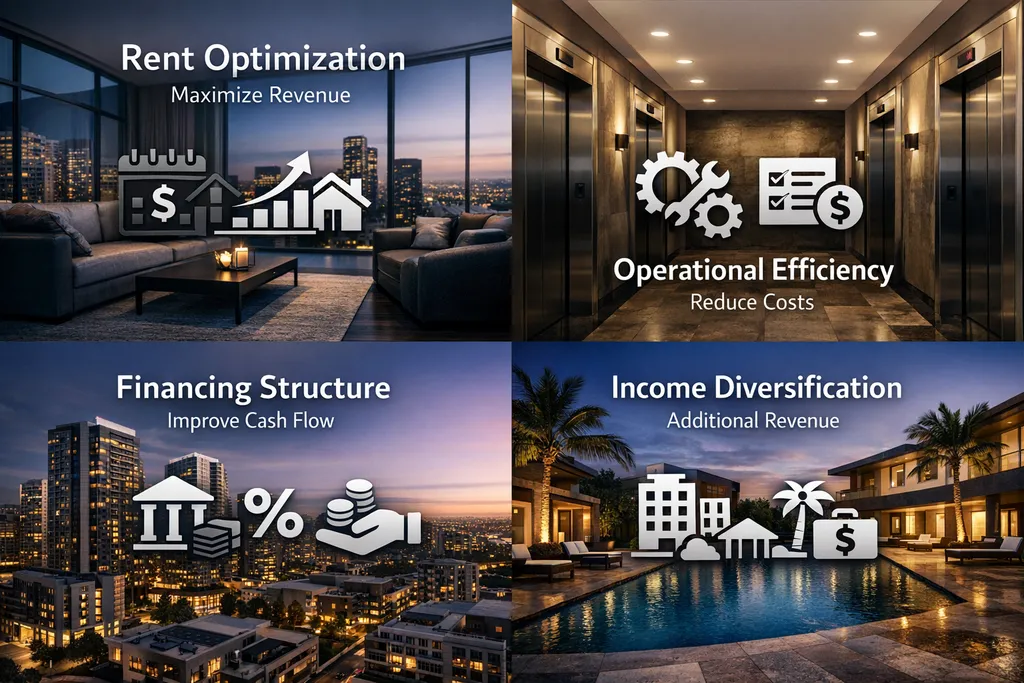
Strategic rent optimization approaches form the foundation of improved cash flow for rental properties. Optimizing rental pricing isn't about simply raising rents as high as the market might bear. It's about finding the sweet spot where your property remains competitively priced while maximizing revenue and minimizing vacancy periods.
Analyze local market data regularly: Rental markets shift constantly, and what was competitive six months ago may no longer align with current conditions. By reviewing comparable properties in your area, you can adjust pricing to reflect real-time demand and avoid leaving money on the table.
Consider technology-driven pricing tools: The integration of AI and real-time data analytics has transformed how investors approach rent optimization. These tools can analyze market trends, seasonal fluctuations, and tenant demand patterns to recommend pricing adjustments that enhance revenue potential while maintaining occupancy rates.
Balance tenant satisfaction with income goals: Long-term tenants typically cost less than constant turnover. Pricing your property competitively may mean accepting slightly lower rents in exchange for stable occupancy, reduced vacancy periods, and lower turnover costs.
Implement strategic rent increases: Rather than dramatic jumps that drive tenants away, gradual increases aligned with market conditions and lease renewal periods can boost income without triggering vacancies.
Rent optimization often requires a data-driven mindset. Investors who leverage market intelligence and technology tend to see more consistent cash flow improvements than those relying solely on intuition or outdated pricing models.
Operational Efficiency Improvements
Operational efficiency improvements represent another powerful avenue for boosting rental property cash flow. While increasing rent gets attention, reducing operating costs can be equally impactful and sometimes easier to implement. Many investors overlook simple operational changes that preserve more of their rental income.
Reduce vacancy periods through proactive marketing: Every day a property sits empty represents lost income. Starting your marketing efforts before a tenant moves out, maintaining attractive property photos, and responding quickly to inquiries can minimize gaps between tenants and protect your cash flow.
Negotiate better rates with service providers: From property management fees to maintenance contracts, many operating expenses are negotiable. Building relationships with reliable contractors and comparing quotes regularly may help you secure better pricing without sacrificing quality.
Invest in preventive maintenance: While this requires upfront spending, addressing minor issues before they become major problems typically costs less in the long run. Well-maintained properties also tend to attract and retain quality tenants willing to pay market rates.
Streamline property management processes: Whether you self-manage or use a property manager, efficient systems for rent collection, maintenance requests, and tenant communication can reduce administrative costs and improve tenant satisfaction.
Operating efficiency doesn't mean cutting corners that could harm property value or tenant experience. Instead, it's about eliminating waste, optimizing processes, and ensuring every dollar spent contributes to property performance and investor returns.
Portfolio-Level Cash Flow Strategies
Portfolio-level cash flow strategies take a broader view of your rental investments. Rather than optimizing individual properties in isolation, analyzing your entire portfolio can reveal opportunities for improvement that might otherwise remain hidden. This approach is particularly valuable for investors with multiple properties or those planning to scale.
Conduct comprehensive portfolio analysis: Data-driven analysis across all properties can identify underperforming assets, highlight which property types deliver the best returns, and reveal patterns in vacancy rates or maintenance costs that require attention.
Rebalance your property mix: Diversifying into multi-unit properties or different property types might improve overall portfolio performance. Multi-family investments, for example, can offer better economies of scale and potentially lower vacancy risk since one vacant unit doesn't eliminate all income.
Align properties with financing capabilities: Portfolio optimization can lead to sustained cash flow improvements that positively impact loan terms. Properties with consistent cash flow performance tend to qualify for better financing options, particularly with products like DSCR loans where property income drives approval decisions.
Taking a portfolio perspective allows investors to make strategic decisions about which properties to hold, which to improve, and which might be better sold to fund higher-performing acquisitions. This holistic approach often uncovers value that property-by-property analysis misses.
Smart Financing Structure Adjustments
Smart financing structure adjustments can dramatically impact your rental property cash flow, sometimes with a single strategic decision. The way you finance your properties directly affects monthly expenses and, consequently, how much cash remains after all obligations are met. Here's how to approach financing optimization:
Evaluate refinancing opportunities: Market conditions change, and so do your properties' performance metrics. If your property values have increased or interest rates have become more favorable, refinancing existing loans might reduce monthly payments and improve cash flow. This strategy works particularly well for investors with properties that have appreciated significantly or those who've improved a property's income potential since the original purchase.
Consider alternative financing products: Traditional mortgages aren't always the best fit for rental properties. DSCR loans, which evaluate properties based on rental income rather than personal income, can provide more favorable terms for strong cash-flowing properties. These loans align directly with property performance, making them attractive options for investors focused on income generation.
Explore flexible owner financing arrangements: In some situations, working directly with sellers on financing terms can create more favorable payment structures. This approach might offer lower down payments, flexible terms, or reduced closing costs that preserve capital for other investments or property improvements.
Match loan terms to investment strategy: Short-term bridge loans might make sense for fix-and-flip projects, while longer-term financing typically suits buy-and-hold rental strategies. Aligning your financing structure with your investment timeline and goals helps optimize cash flow at each stage.
Your financing structure isn't set in stone. As your portfolio grows and market conditions evolve, reassessing how your properties are financed can unlock significant cash flow improvements without requiring property sales or major operational changes.
Income Diversification Techniques
Income diversification techniques allow rental property investors to generate additional revenue streams beyond base rent. These strategies can provide cushion during market downturns and boost overall property performance when implemented thoughtfully.
Add value-added amenities: Offering services or features that tenants value can justify premium pricing or create separate income streams. Covered parking, storage units, laundry facilities in multi-family properties, or furnished rentals for short-term corporate housing represent examples of how amenities might enhance income potential.
Optimize utility billing: Depending on your property configuration and local regulations, implementing systems where tenants pay utilities directly can reduce your operating expenses and improve net cash flow. Even in situations where you cover utilities, submetering and billing back actual usage often encourages conservation and reduces costs.
Explore short-term rental opportunities: While not suitable for every property or market, some investors find that seasonal or occasional short-term rentals can generate higher effective rents than traditional leases. This approach requires more active management but might make sense for properties in tourist destinations or near business centers.
Implement pet policies with appropriate fees: Many tenants own pets and are willing to pay additional deposits or monthly pet rent for the privilege. Implementing reasonable pet policies can expand your tenant pool while generating supplemental income, though this should be balanced against potential additional wear and tear.
Diversifying income sources creates more resilient cash flow that's less dependent on any single revenue stream. However, each additional income source should be evaluated for its impact on tenant satisfaction, management complexity, and compliance with local regulations.
Cost Reduction Without Quality Compromise
Cost reduction without quality compromise is the art of decreasing expenses while maintaining or improving property standards and tenant satisfaction. Many investors miss opportunities to trim costs because they assume any reduction will harm their property or tenant experience.
Review insurance policies and property taxes annually: Insurance premiums and property tax assessments aren't always accurate reflections of risk or value. Comparing insurance quotes, bundling policies, or appealing property tax assessments when warranted can reduce fixed costs without affecting property operations.
Upgrade to energy-efficient systems: While requiring upfront investment, energy-efficient appliances, LED lighting, improved insulation, and smart thermostats typically reduce utility costs over time. For properties where owners pay utilities, these improvements directly enhance cash flow while also appealing to environmentally conscious tenants.
Establish preventive maintenance schedules: Regular HVAC servicing, gutter cleaning, and inspection of major systems can prevent expensive emergency repairs. Catching small problems early typically costs far less than addressing catastrophic failures, protecting both your cash flow and property value.
Build relationships with reliable contractors: Vendors who know your properties and understand your standards often provide better pricing and faster service than constantly seeking the lowest bid. Long-term relationships can also lead to flexible payment terms or priority service during busy seasons.
Evaluate property management arrangements: Whether you self-manage or use a management company, periodically reviewing these costs ensures you're receiving appropriate value. Sometimes renegotiating management fees or adjusting which services are included can improve your bottom line without changing day-to-day operations.
The key to successful cost reduction is identifying expenses that don't directly contribute to tenant satisfaction, property value, or risk mitigation. Cutting costs in the wrong areas can lead to deferred maintenance, tenant turnover, or property deterioration that ultimately costs more than the savings.
Implementing Your Cash Flow Strategy
Implementing your cash flow strategy requires moving from planning to action with clear priorities and realistic timelines. Not every strategy makes sense for every property or investor situation, so customization based on your specific circumstances is essential. Start by assessing which areas offer the most immediate impact for your portfolio. Properties with below-market rents might benefit most from pricing optimization, while those with high operating costs could see faster improvements through efficiency initiatives. Financing adjustments might make sense for properties you've held for several years, particularly if market conditions have shifted or property values have increased significantly. The most successful investors typically implement changes systematically rather than attempting everything simultaneously. Track results carefully as you make adjustments, measuring both the immediate impact on monthly cash flow and any longer-term effects on vacancy rates, tenant satisfaction, or property condition. This measured approach allows you to refine strategies based on actual performance rather than assumptions, building a cash flow optimization system that continues delivering results as your portfolio grows.
Improving rental property cash flow isn't about any single magic solution. Instead, it's the cumulative effect of strategic decisions across rent optimization, operating efficiency, financing structure, and portfolio management. The most successful real estate investors recognize that cash flow improvement is an ongoing process rather than a one-time project.
By implementing the strategies outlined in this guide, you can create more resilient, profitable rental properties that generate consistent returns and support portfolio expansion. Whether you're optimizing pricing with data-driven tools, reducing operational waste, restructuring financing to better align with property performance, or taking a portfolio-level view of your investments, each improvement contributes to stronger overall results.
Remember that your specific situation will determine which strategies offer the most value. A single-family rental in a rapidly appreciating market requires different tactics than a multi-family property in a stable neighborhood. Start with the approaches that address your most significant cash flow challenges, measure results carefully, and refine your methods based on actual performance.
For investors utilizing or considering DSCR loans and other investment-focused financing products, strong cash flow isn't just about profitability. It directly impacts your ability to qualify for favorable loan terms, expand your portfolio, and build long-term wealth through real estate. The work you put into optimizing cash flow today creates opportunities for growth tomorrow.