When pursuing DSCR loans for your investment properties, understanding what triggers lender concerns can make the difference between loan approval and rejection. The top DSCR underwriting red flags often center around financial inconsistencies, unrealistic projections, and documentation issues that signal potential risk to lenders.
Real estate investors who recognize these warning signs early can adjust their loan applications accordingly, improving their chances of securing favorable financing terms. From vacancy risk assessments to expense inconsistencies, lenders scrutinize multiple aspects of your investment deal to determine creditworthiness.
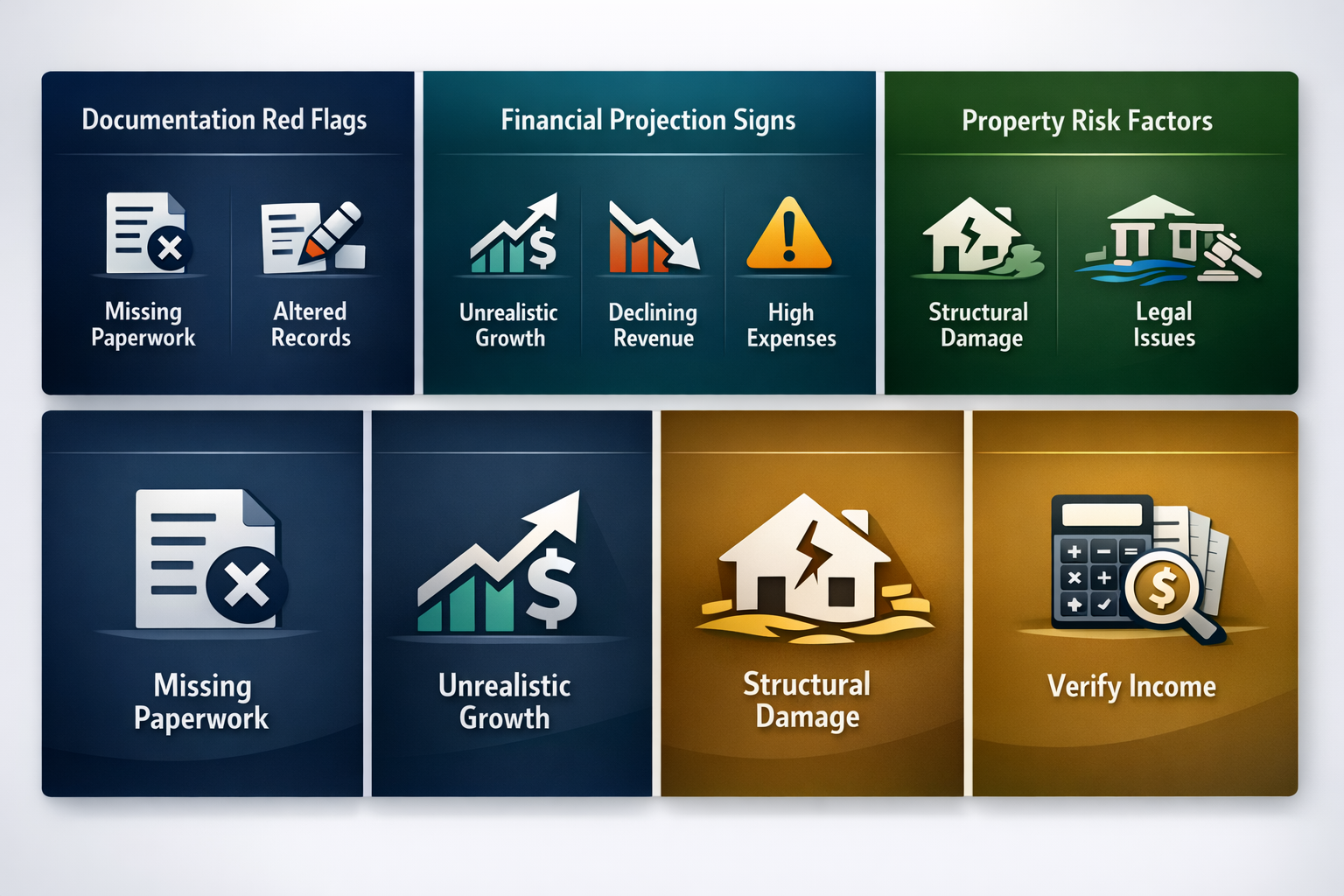
Common Documentation Red Flags
Common documentation red flags in DSCR underwriting can immediately raise concerns with lenders and potentially derail your financing approval. These issues often stem from inconsistencies or irregularities in the paperwork that accompanies your loan application.
Inconsistent notary usage across documents may signal potential fraud or careless preparation that undermines lender confidence
Double closings without proper disclosure can trigger suspicion about the true nature of the transaction and property value
Falsified income documentation represents one of the most serious red flags that typically results in immediate loan rejection
Missing or incomplete property records create uncertainty about ownership history and legal standing of the investment
Financial Projection Warning Signs
Financial projection warning signs often reveal unrealistic expectations that concern DSCR lenders during the underwriting process. These red flags typically involve overly optimistic assumptions about property performance and market conditions.
Immediate full occupancy projections without considering typical vacancy periods and market absorption rates
Above-market rental rates that don't align with comparable properties in the same area
Understated operating expenses that fail to account for realistic maintenance, management, and capital improvement costs
Seasonal income fluctuations ignored in markets where rental demand varies significantly throughout the year
Property-Specific Risk Factors
Property-specific risk factors represent critical areas where DSCR lenders focus their attention during underwriting reviews. These elements directly impact the property's ability to generate consistent cash flow for debt service coverage.
High vacancy risk in declining neighborhoods where market fundamentals suggest difficulty maintaining stable occupancy
Properties requiring extensive immediate repairs that could drain cash flow before stabilization occurs
Single-tenant dependency in commercial properties where loss of the primary tenant could eliminate most rental income
Environmental concerns or zoning issues that might limit future use or require costly remediation
Steps to Address Income Calculation Issues
Steps to address income calculation issues can help investors avoid common DSCR underwriting red flags related to cash flow projections. Proper preparation typically strengthens your loan application and demonstrates professionalism to lenders.
Gather comprehensive rent rolls and lease agreements that document actual rental income rather than relying on market estimates or projections
Obtain professional market analysis reports from qualified appraisers or commercial real estate professionals to support your rental assumptions
Document all income sources clearly including parking fees, laundry revenue, and other ancillary income streams with supporting contracts
Prepare detailed operating expense statements that reflect realistic costs for insurance, taxes, maintenance, and professional management services
How to Strengthen Your DSCR Application
How to strengthen your DSCR application involves systematic preparation that addresses potential red flags before they become issues. Strategic planning can significantly improve your chances of loan approval.
Maintain consistent financial records across all documents and avoid large financial transactions near your application date that might raise questions
Provide conservative cash flow projections that account for realistic vacancy periods and market-rate operating expenses
Include detailed property improvement plans with cost estimates and timelines that demonstrate your commitment to maintaining asset value
Submit complete documentation packages with all required forms, disclosures, and supporting materials organized professionally
Timeline Considerations for Loan Processing
Timeline considerations for loan processing become particularly important when trying to avoid DSCR underwriting red flags that could delay or prevent approval. Strategic timing can help ensure smoother processing.
Allow adequate time for property inspections and appraisals to be completed without rushing the process or accepting substandard reports
Schedule loan applications well before year-end when lenders may have reduced capacity and stricter scrutiny of financial documents
Coordinate with tax preparation timing to ensure your financial statements align with filed returns and avoid discrepancies that trigger additional review
Plan for potential requests for additional documentation by maintaining organized files and quick access to supplementary financial information
Key Takeaways for Investment Success
Understanding and avoiding the top DSCR underwriting red flags requires attention to detail and realistic financial planning. Successful investors recognize that lenders prioritize consistency, accuracy, and conservative projections when evaluating loan applications. By addressing potential issues proactively, maintaining thorough documentation, and presenting realistic cash flow scenarios, you can significantly improve your chances of securing favorable DSCR financing. Remember that lenders are looking for signs of reliability and professionalism, so presenting a well-organized application with conservative assumptions typically yields better results than overly optimistic projections that might trigger additional scrutiny.
Navigating DSCR loan underwriting successfully requires understanding what triggers lender concerns and preparing your application accordingly. The red flags we've discussed often stem from inconsistent documentation, unrealistic projections, or inadequate property analysis.
By focusing on thorough preparation, conservative financial assumptions, and professional presentation, you can position your investment deals for approval while avoiding the common pitfalls that derail financing. Remember that lenders want to see evidence of your ability to manage risk and generate consistent returns, so demonstrating these qualities through your application materials is essential for long-term success in real estate investing.