Real estate investors face numerous challenges when closing deals, but understanding the top 7 closing delays explained can mean the difference between a successful transaction and a costly setback. Whether you're working with DSCR loans, fix and flip financing, or rental property acquisitions, these delays can significantly impact your investment timeline and profitability. DSCR loans, which are increasingly popular among investors for income-producing properties, often encounter unique obstacles that can extend closing timelines beyond expectations. From insurance gaps to entity vesting issues, these roadblocks require proactive management and strategic planning to navigate successfully.
Documentation and Verification Problems
Documentation and verification problems frequently rank among the most frustrating closing delays for real estate investors. These issues often emerge unexpectedly, creating bottlenecks that can extend your closing timeline by weeks or even months.
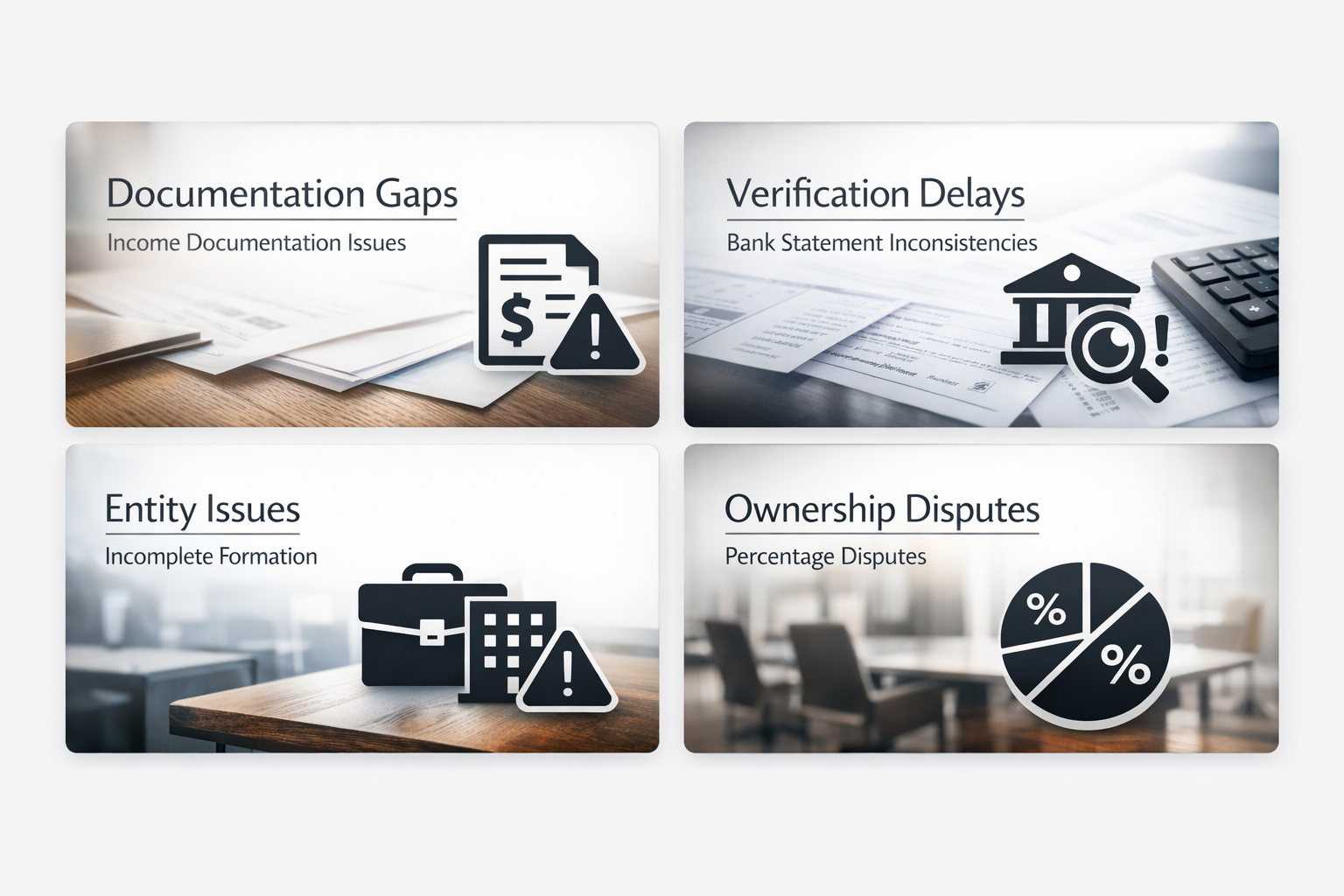
Income documentation gaps: DSCR loans require comprehensive rent rolls and lease agreements that might not be readily available for newly acquired properties or those with recent tenant turnover
Bank statement inconsistencies: Lenders may flag discrepancies between reported income and actual deposits, requiring additional explanation and documentation
Asset verification delays: Complex investment portfolios can create verification challenges when multiple properties and accounts need to be confirmed across different institutions
Entity documentation issues: LLCs and corporations often lack complete formation documents or operating agreements that lenders require for approval
Insurance Coverage Gaps and Complications
Insurance gaps have become increasingly problematic for real estate investors, with lenders losing loans specifically due to insurance-related issues. Rising insurance costs and reduced coverage options have created significant stress points in the mortgage process.
Inadequate coverage amounts: Properties may not meet lender requirements for replacement cost coverage, especially in areas with recent construction cost increases
High-risk property locations: Properties in flood zones or areas prone to natural disasters often face coverage limitations that don't satisfy lender standards
Policy timing misalignment: Insurance effective dates that don't align with closing schedules can create last-minute scrambles to secure proper coverage
Carrier approval delays: Some insurance companies require extensive underwriting for investment properties, causing unexpected delays in policy issuance
Title and Ownership Complications
Title complications can derail even the most carefully planned real estate transactions. These issues often surface during the title search process and require resolution before lenders will proceed with funding.
Unresolved liens: Mechanic's liens, tax liens, or judgment liens against the property or previous owners can create complex resolution requirements
Boundary disputes: Survey discrepancies or unclear property boundaries may require additional legal work or boundary agreements
Chain of title issues: Missing signatures, improper notarization, or gaps in ownership history can necessitate quiet title actions or additional legal documentation
Easement complications: Undisclosed easements or access rights can affect property value and lender approval, requiring additional research and resolution
Entity Vesting and Ownership Structure Issues
Entity vesting issues represent a particularly complex category of closing delays that many investors encounter when structuring deals through LLCs or other business entities. These complications can significantly extend closing timelines if not addressed proactively.
Incomplete entity formation: Missing operating agreements, articles of incorporation, or state registration documents can halt the closing process entirely
Ownership percentage disputes: Unclear or conflicting ownership structures within investment entities may require legal clarification before lenders will approve financing
Signatory authority problems: Questions about who has the legal authority to sign loan documents on behalf of the entity can create significant delays
Entity compliance issues: Entities that aren't in good standing with state authorities or lack required annual filings may face rejection from lenders until compliance is restored
Steps to Prevent Documentation Delays
Taking proactive steps to prevent documentation delays can save investors significant time and frustration during the closing process. These strategies help ensure smooth transactions and maintain investment momentum.
Create a comprehensive document checklist: Develop a master list of all required documents for your typical transaction types and gather these materials before initiating the loan process
Establish relationships with reliable professionals: Build a network of accountants, attorneys, and property managers who understand investor needs and can provide required documentation quickly
Maintain organized financial records: Keep detailed records of all income, expenses, and asset information readily accessible for lender verification purposes
Review entity documentation annually: Ensure all business entities are properly maintained with current operating agreements, registrations, and compliance filings
Strategies for Managing Insurance and Title Issues
Effectively managing insurance and title issues requires advance planning and strategic partnerships. These approaches can help investors avoid common pitfalls that delay closings.
Secure insurance quotes early in the process: Contact insurance agents as soon as you have a property under contract to identify potential coverage issues before they become critical
Work with investor-focused insurance agents: Choose agents who specialize in investment properties and understand the specific coverage requirements that lenders typically demand
Order title work immediately: Request title searches and surveys as early as possible to allow time for resolving any issues that may surface
Consider title insurance innovations: Leverage advanced title services that can preemptively identify and address common issues like liens or boundary disputes before they cause closing delays
Building Your Closing Success Framework
Building a robust framework for successful closings requires understanding that preparation and professional relationships often determine the difference between smooth transactions and costly delays. Investors who proactively address potential issues typically experience fewer surprises and maintain better control over their investment timelines. This systematic approach to closing management becomes increasingly valuable as your portfolio grows and transaction complexity increases.
Understanding the top 7 closing delays explained in this guide empowers real estate investors to navigate transactions more effectively and avoid costly setbacks. From documentation and verification problems to insurance gaps and entity vesting issues, each potential delay requires specific attention and proactive management. By implementing the prevention strategies outlined here and building relationships with knowledgeable professionals, investors can significantly reduce their risk of encountering these common obstacles. Remember that successful real estate investing isn't just about finding good deals, it's also about executing those deals efficiently and closing them on schedule. With proper preparation and awareness of these potential pitfalls, you'll be better positioned to maintain your investment momentum and achieve your financial goals.