Short Term Rental Income Verification: Your Complete Guide to DSCR Loan Success
Short term rental income verification has become a critical factor for real estate investors seeking DSCR loan approval in today's competitive market. Unlike traditional rental properties with standard lease agreements, short-term rentals present unique documentation challenges that can make or break your financing application.
The rise of platforms like Airbnb has created lucrative opportunities for property investors, but it's also introduced complexity in proving consistent income streams to lenders. DSCR loans, which focus on property cash flow rather than personal income, might seem like a natural fit for vacation rental properties. However, the variable nature of short-term rental income requires careful documentation and strategic presentation.
Understanding how to properly verify and present your short-term rental income can significantly improve your DSCR loan qualification chances. This comprehensive guide will walk you through the essential strategies, documentation requirements, and best practices that successful investors use to secure favorable financing terms.
Essential Documentation Requirements for Short-Term Rentals
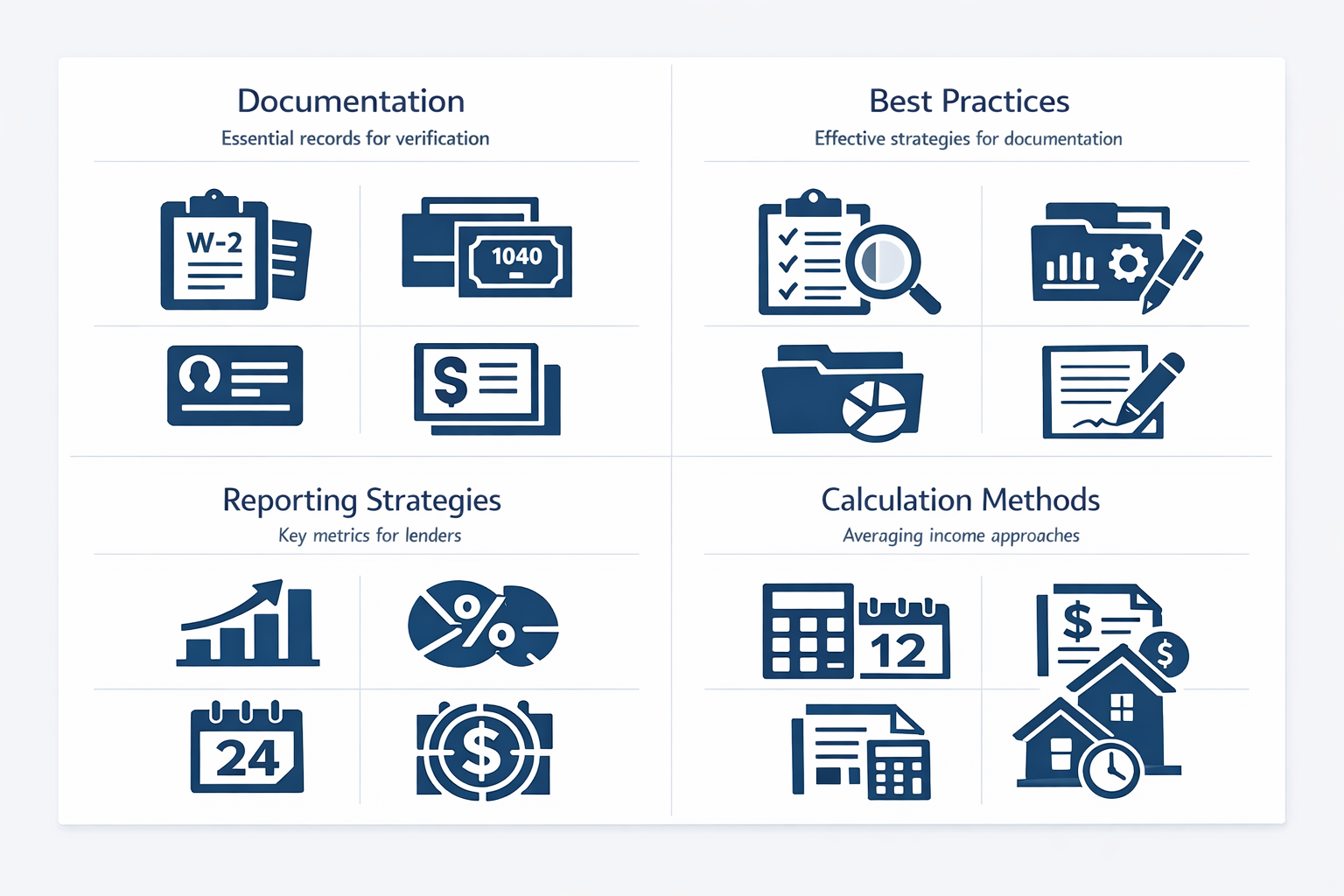
Essential documentation requirements for short-term rentals differ significantly from traditional rental property verification. Lenders typically require more comprehensive records due to the variable nature of vacation rental income.
Platform revenue reports: Complete income statements from Airbnb and vacation rental platforms covering at least 12-24 months of operation
Tax documentation: Schedule E forms showing rental income and expenses from your federal tax returns, which provide third-party verification of earnings
Bank deposit records: Monthly bank statements demonstrating consistent deposits from rental platforms, helping establish income patterns
Occupancy data: Detailed booking calendars and occupancy rates that support your income claims and demonstrate seasonal trends
Many lenders might require additional supporting documents depending on your specific situation. Property management agreements, local licensing documentation, and insurance policies could strengthen your application. The key is presenting a complete financial picture that demonstrates your property's income-generating potential.
Airbnb Documentation Best Practices
Airbnb documentation best practices can make the difference between loan approval and rejection. Platform-specific reporting requires careful attention to detail and strategic presentation.
Annual summary reports: Download comprehensive yearly earnings reports directly from your Airbnb host dashboard, which provide official platform verification
Monthly payout statements: Collect detailed monthly breakdowns showing gross earnings, platform fees, and net deposits to demonstrate consistency
Guest review metrics: Maintain high ratings and positive reviews, as some lenders may consider property performance indicators in their evaluation
Booking trend analysis: Present data showing seasonal patterns and peak performance periods to help lenders understand income fluctuations
Professional presentation of your Airbnb documentation often involves organizing materials chronologically and highlighting key performance metrics. Consider creating a summary sheet that explains any unusual income variations, such as renovations or market disruptions, which could affect your earnings history.
Effective Occupancy Reporting Strategies
Effective occupancy reporting strategies help lenders understand your property's income potential and stability. This information typically supports the income verification process by providing context for revenue fluctuations.
Average daily rate tracking: Document your property's ADR across different seasons to show pricing strategy and market positioning
Seasonal occupancy patterns: Present clear data showing peak and off-season booking rates, which helps lenders understand income predictability
Market comparison data: Include local market occupancy rates and competitive analysis to demonstrate your property's performance relative to similar rentals
Future booking pipeline: Show confirmed reservations and booking trends that indicate continued income generation
Smart occupancy reporting often includes explanations for any significant gaps or unusual patterns in your booking history. Market events, property improvements, or local regulations might impact occupancy rates, and providing context helps lenders make informed decisions about your loan application.
Income Averaging Calculation Methods
Income averaging calculation methods provide lenders with standardized metrics for evaluating short-term rental performance. Different averaging approaches may yield varying results, so understanding which method works best for your situation is crucial.
12-month trailing average: Calculate total income from the previous 12 months and divide by 12 to establish monthly average income for DSCR calculations
24-month weighted average: Use a two-year period with greater weight given to recent months, which may better reflect current market conditions and property improvements
Seasonal adjustment method: Average peak and off-season performance separately, then create a blended annual projection based on historical occupancy patterns
Conservative projection approach: Use the lower of historical averages or current market trends to present realistic income expectations to lenders
The choice of averaging method could significantly impact your DSCR ratio and loan qualification. Some lenders might have preferences for specific calculation approaches, so discussing options with your mortgage professional early in the documentation process can help you prepare the most favorable presentation of your rental income.
DSCR Loan Qualification Enhancement Strategies
DSCR loan qualification enhancement strategies can improve your approval odds by optimizing how you present short-term rental income. Strategic planning and smart structuring may help you meet or exceed lender requirements.
Property improvement documentation: Present records of recent upgrades, renovations, or amenity additions that could justify higher rental rates and improved occupancy
Management professionalization: Demonstrate professional property management practices, including automated pricing, professional photography, and guest service protocols
Multiple income stream integration: Show additional revenue sources like parking fees, pet fees, or local experience offerings that supplement base rental income
Market positioning optimization: Provide evidence of competitive advantages, unique property features, or prime location benefits that support sustainable income generation
Successful qualification enhancement often involves presenting your short-term rental operation as a legitimate business rather than a casual side income. This approach typically includes business licenses, professional accounting practices, and clear operational procedures that demonstrate your commitment to maximizing property performance and maintaining consistent cash flow.
Mastering short term rental income verification is essential for real estate investors seeking DSCR loan approval in today's market. The documentation process might seem complex, but following proven strategies for presenting your Airbnb income, occupancy data, and financial records can significantly improve your qualification chances.
Remember that lenders evaluate short-term rental properties differently than traditional rentals. Your success often depends on demonstrating consistent income patterns, professional management practices, and realistic projections based on solid historical data. The extra effort invested in proper documentation and strategic presentation typically pays dividends through better loan terms and smoother approval processes.
As the short-term rental market continues to evolve, staying current with documentation best practices and lender requirements will help you maintain competitive advantage in securing favorable financing. Consider working with mortgage professionals who understand the unique aspects of vacation rental financing to maximize your investment opportunities.