Managing your own rental properties can significantly boost your bottom line, but success hinges on maintaining proper self managed rental documentation. As DSCR loan demand continues to ramp up through 2026, lenders are placing greater emphasis on thorough income verification and lease tracking records. For real estate investors seeking financing for additional acquisitions or portfolio refinancing, organized documentation might be the difference between loan approval and rejection.
The shift toward self-management has accelerated as investors look to maximize cash flow by eliminating third-party management fees. However, this approach requires meticulous record-keeping that satisfies both operational needs and lender requirements. Understanding which documents to maintain and how to organize them effectively can streamline your financing applications while protecting your investment interests.
Essential Lease Documentation Requirements
Essential lease documentation requirements form the foundation of your self managed rental documentation system. Lenders typically require comprehensive lease tracking records to verify your property's income potential during the underwriting process.
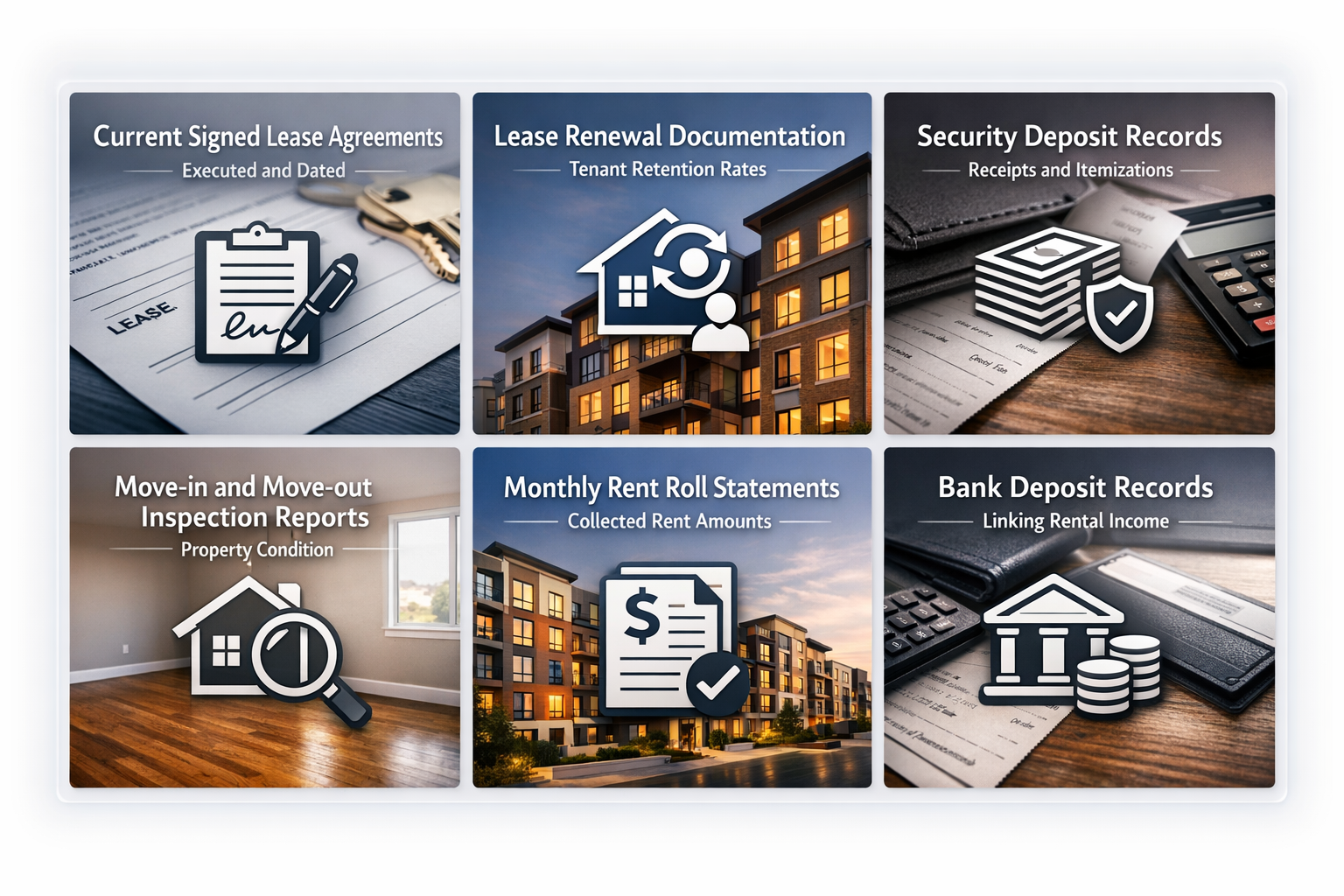
Current signed lease agreements with all addendums and amendments properly executed and dated
Lease renewal documentation showing tenant retention rates and rent escalation history over time
Security deposit records including receipts, bank statements, and any deduction itemizations from previous tenants
Move-in and move-out inspection reports documenting property condition and any damage assessments
Income Verification and Financial Records
Income verification and financial records serve as critical components for underwriting verification when applying for DSCR loans or other investor financing products.
Monthly rent roll statements showing collected rent amounts, late fees, and any vacancy periods
Bank deposit records linking rental income to your business or personal accounts with clear transaction descriptions
Tax returns and Schedule E forms demonstrating reported rental income and allowable expense deductions
Profit and loss statements breaking down property-specific income and operating expenses on a monthly or quarterly basis
Maintenance and Operating Expense Documentation
Maintenance and operating expense documentation helps establish your property's true net operating income, which directly impacts DSCR calculations and loan qualification.
Repair and maintenance invoices organized by property and categorized between routine maintenance and capital improvements
Insurance policies and premium payments showing adequate coverage levels and payment history
Property tax assessments and payment records demonstrating current tax obligations and any appeals or adjustments
Utility bills and service agreements for landlord-paid utilities, landscaping, or property management software subscriptions
Setting Up Efficient Record-Keeping Systems
Setting up efficient record-keeping systems requires establishing organized processes that can scale with your growing portfolio while satisfying lender requirements.
Create property-specific file folders both digitally and physically, organizing documents by property address and document type for easy retrieval during loan applications.
Implement monthly reconciliation procedures comparing rent roll data against bank deposits to identify any discrepancies or collection issues that might affect income calculations.
Maintain backup documentation systems using cloud storage or physical copies stored offsite to protect against data loss that could delay financing approvals.
Schedule quarterly documentation reviews to ensure all records remain current and complete, particularly lease renewals and insurance policy updates that lenders commonly request.
Common Documentation Mistakes to Avoid
Common documentation mistakes to avoid can prevent delays in your loan application process and help maintain professional relationships with lenders who may finance future acquisitions.
Mixing personal and rental income records creates confusion during underwriting and may require extensive clarification that delays loan processing timelines.
Failing to document verbal agreements or rent adjustments leaves income claims unsupported, potentially reducing the property's qualifying income for DSCR calculations.
Incomplete expense documentation prevents lenders from accurately calculating net operating income, which might result in lower loan amounts or unfavorable terms.
Neglecting to update tenant information promptly when leases change hands can create discrepancies between rent rolls and actual occupancy status during verification calls.
Strategic Documentation Benefits for Portfolio Growth
Strategic documentation benefits for portfolio growth extend far beyond basic compliance requirements. Well-organized self managed rental documentation positions investors to capitalize on financing opportunities more quickly and effectively. When market conditions favor rapid acquisitions, having your documentation systems in place allows you to move swiftly on attractive deals while competitors struggle with paperwork delays. Additionally, consistent record-keeping helps establish credibility with lenders, potentially leading to better terms and higher loan-to-value ratios on future transactions. Many successful investors find that their documentation practices become a competitive advantage, enabling them to close more deals and build larger portfolios over time.
Mastering self managed rental documentation requires commitment to organized systems and consistent execution, but the benefits extend well beyond loan applications. As DSCR loan demand continues growing through 2026, investors with comprehensive documentation will find themselves better positioned to secure favorable financing terms and expand their portfolios.
Your documentation system should evolve alongside your investment strategy, becoming more sophisticated as your portfolio grows. Remember that today's thorough record-keeping becomes tomorrow's competitive advantage when pursuing your next acquisition opportunity.