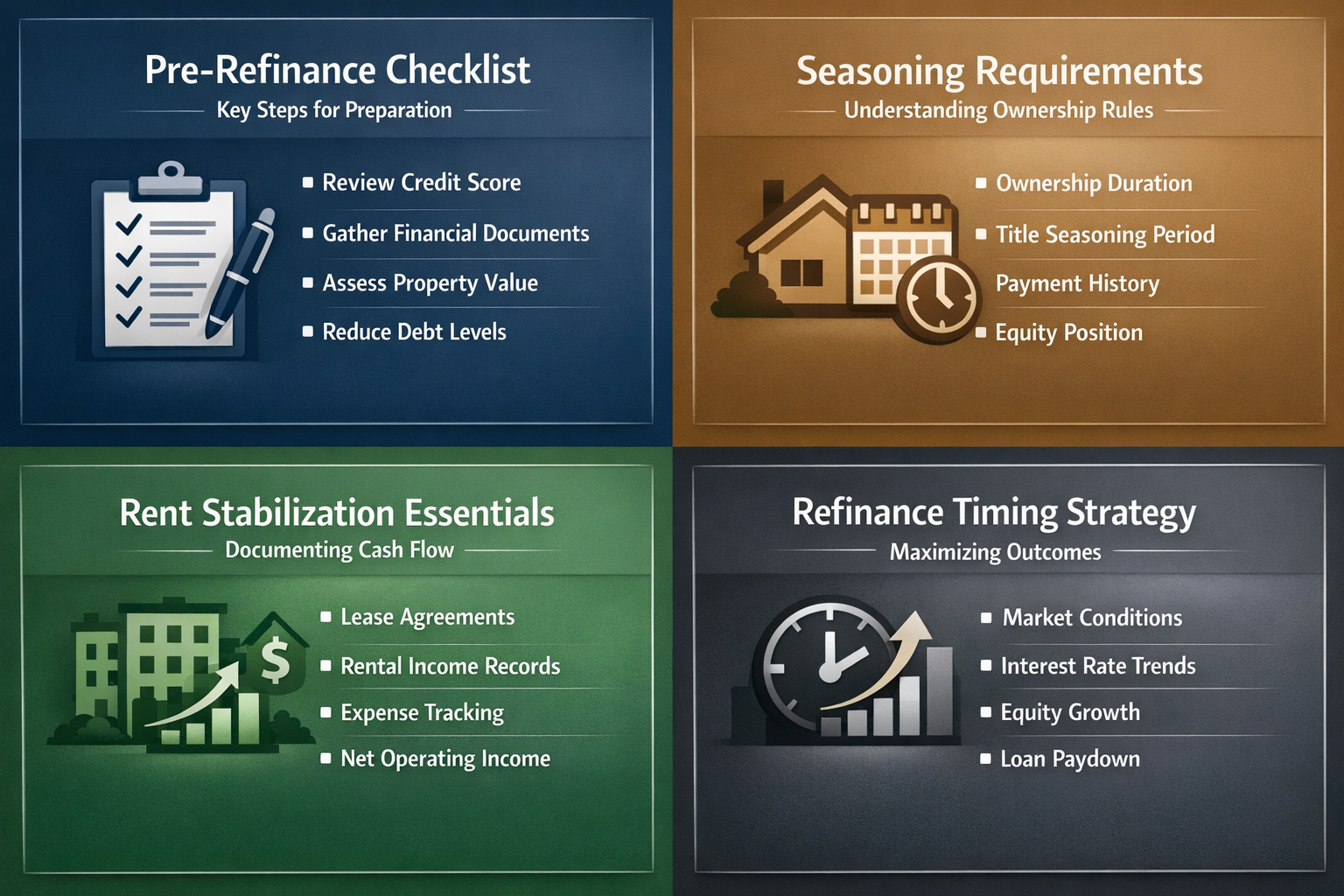
Real estate investors often face unexpected delays when attempting to refinance investment properties through DSCR loans. The culprit? Seasoning requirements that many investors don't fully understand until it's too late. Understanding seasoning rules for DSCR refinance can mean the difference between accessing capital quickly and waiting months for optimal refinancing terms. These requirements typically involve specific timeframes for property ownership and rent stabilization periods that lenders use to verify consistent cash flow. For investors using the BRRRR strategy or transitioning from hard money loans, mastering these rules becomes crucial for maintaining momentum in their investment portfolio.
Pre-Refinance Property Preparation Checklist
Before initiating your DSCR refinance application, proper preparation can significantly impact your approval odds and terms. The pre-refinance property preparation checklist ensures you've addressed all critical elements that lenders evaluate during the underwriting process.
Document ownership timeline: Gather all closing documents, deed records, and title insurance policies to establish clear ownership history and timing
Compile rental income records: Collect lease agreements, rent rolls, and bank deposit records showing consistent rental income over the required seasoning period
Organize property maintenance records: Maintain receipts for repairs, improvements, and regular maintenance that demonstrate proper property care and value preservation
Review MLS listing history: Ensure any previous property listings align with current valuation expectations and don't create appraisal complications
Title Seasoning Requirements Assessment
Title seasoning represents one of the most fundamental aspects of DSCR refinancing requirements. The title seasoning requirements assessment helps investors understand when they can realistically pursue refinancing options.
Six-month minimum ownership: Most lenders require at least six months of property ownership before considering DSCR cash-out refinance applications
Acquisition method documentation: Different seasoning periods may apply depending on whether you purchased with cash, conventional financing, or hard money loans
Chain of title verification: Lenders review the complete ownership history to identify any potential issues that might affect the refinancing process
Market timing considerations: Plan your refinance timing around optimal market conditions while meeting minimum seasoning requirements
Rent Stabilization Documentation Essentials
Rent stabilization periods typically extend beyond simple title seasoning requirements. The rent stabilization documentation essentials ensure lenders can verify consistent property cash flow over time.
Minimum rental history period: Prepare for 6-12 month rent seasoning requirements that demonstrate stable tenant relationships and consistent income
Lease agreement consistency: Maintain proper lease documentation that shows market-rate rents and professional property management practices
Bank deposit verification: Provide clear bank records showing regular rent deposits that match lease agreements and support DSCR calculations
Vacancy period explanations: Document any rental gaps with reasonable explanations such as property improvements or tenant turnover
Step-by-Step Refinance Timing Strategy
Developing an effective refinancing strategy requires understanding both lender requirements and market conditions. This step-by-step refinance timing strategy helps investors maximize their refinancing outcomes.
Establish acquisition baseline: Record your property purchase date and financing method, as this determines your earliest possible refinancing timeline under standard seasoning rules
Monitor rent stabilization progress: Track rental income consistency from month one, ensuring you can demonstrate stable cash flow when the seasoning period ends
Evaluate market conditions: Assess interest rates, property values, and lender appetite during your seasoning period to identify optimal refinancing windows
Prepare documentation early: Begin compiling required documents at least 30 days before your seasoning period expires to avoid delays
Submit applications strategically: Time your applications to coincide with favorable market conditions while meeting all seasoning requirements
Lender Comparison and Selection Process
Different DSCR lenders may have varying seasoning requirements and exceptions. The lender comparison and selection process helps investors identify the most suitable financing partners for their specific situations.
Research seasoning variations: Compare minimum ownership periods, rent stabilization requirements, and any available seasoning waivers across multiple lenders
Evaluate regional differences: Some states like California may offer no-seasoning cash-out refinance options, while others maintain strict six-month minimums
Assess bridge loan options: Consider lenders who specialize in transitioning from hard money or bridge loans to permanent DSCR financing
Review exception policies: Identify lenders who might waive or reduce seasoning requirements for experienced investors or specific property types
Bridge-to-DSCR Transition Timeline
Investors using hard money or bridge loans often plan transitions to long-term DSCR financing. The bridge-to-DSCR transition timeline outlines key milestones for successful refinancing.
Initial bridge loan execution: Secure short-term financing for property acquisition, renovation, or immediate capital needs while planning your DSCR transition strategy
Property stabilization phase: Complete necessary improvements, secure qualified tenants, and establish consistent rental income to meet DSCR requirements
Documentation preparation period: Gather all required paperwork including rent rolls, lease agreements, and financial statements during months 4-5 of ownership
DSCR application submission: Submit your refinance application after meeting minimum seasoning requirements while your bridge loan remains current
Closing and transition: Complete the refinancing process and pay off your bridge loan, transitioning to long-term DSCR financing
Strategic Refinancing Success
Successfully navigating seasoning rules for DSCR refinance requires patience, planning, and proper preparation. Investors who understand these requirements from the outset can structure their acquisition and management strategies to optimize refinancing outcomes. The key lies in treating seasoning periods as opportunity windows rather than waiting periods, using this time to stabilize properties, document income streams, and position for optimal refinancing terms. Whether you're transitioning from bridge loans or planning cash-out refinancing, respecting these seasoning requirements while preparing thoroughly will typically result in better loan terms and smoother transaction processes.
Mastering seasoning rules for DSCR refinance empowers real estate investors to plan their financing strategies more effectively and avoid common pitfalls that can delay or complicate refinancing efforts. By understanding title seasoning requirements, rent stabilization periods, and refinance timing considerations, investors can optimize their capital deployment and maintain momentum in their investment activities. Remember that while seasoning requirements might seem restrictive, they ultimately serve to verify property performance and income stability, which benefits both lenders and borrowers in creating sustainable investment financing relationships.