Navigating Construction Costs and Investment Returns
March 4, 2026
•
7 min read
How Rising Construction Costs Impact Real Estate Investment Feasibility
Real estate investors are facing a challenging landscape as rising construction costs and rental feasibility calculations become increasingly complex. Construction costs for single-family homes have risen by 3.2% over the past year, outpacing general inflation and creating significant pressure on investment returns. This escalation directly impacts profit margins and affects the overall viability of new rental developments and fix-and-flip projects.
The implications extend beyond initial construction expenses. Building material prices have increased by 3.5%, representing the largest annual rise since early 2023. These persistently high costs are forcing investors to reassess their financial models, adjust rent forecasts, and recalibrate rehab budgets to maintain profitable income projections.
Understanding how these market dynamics affect your investment strategy is crucial for maintaining competitive returns in today's evolving real estate environment.
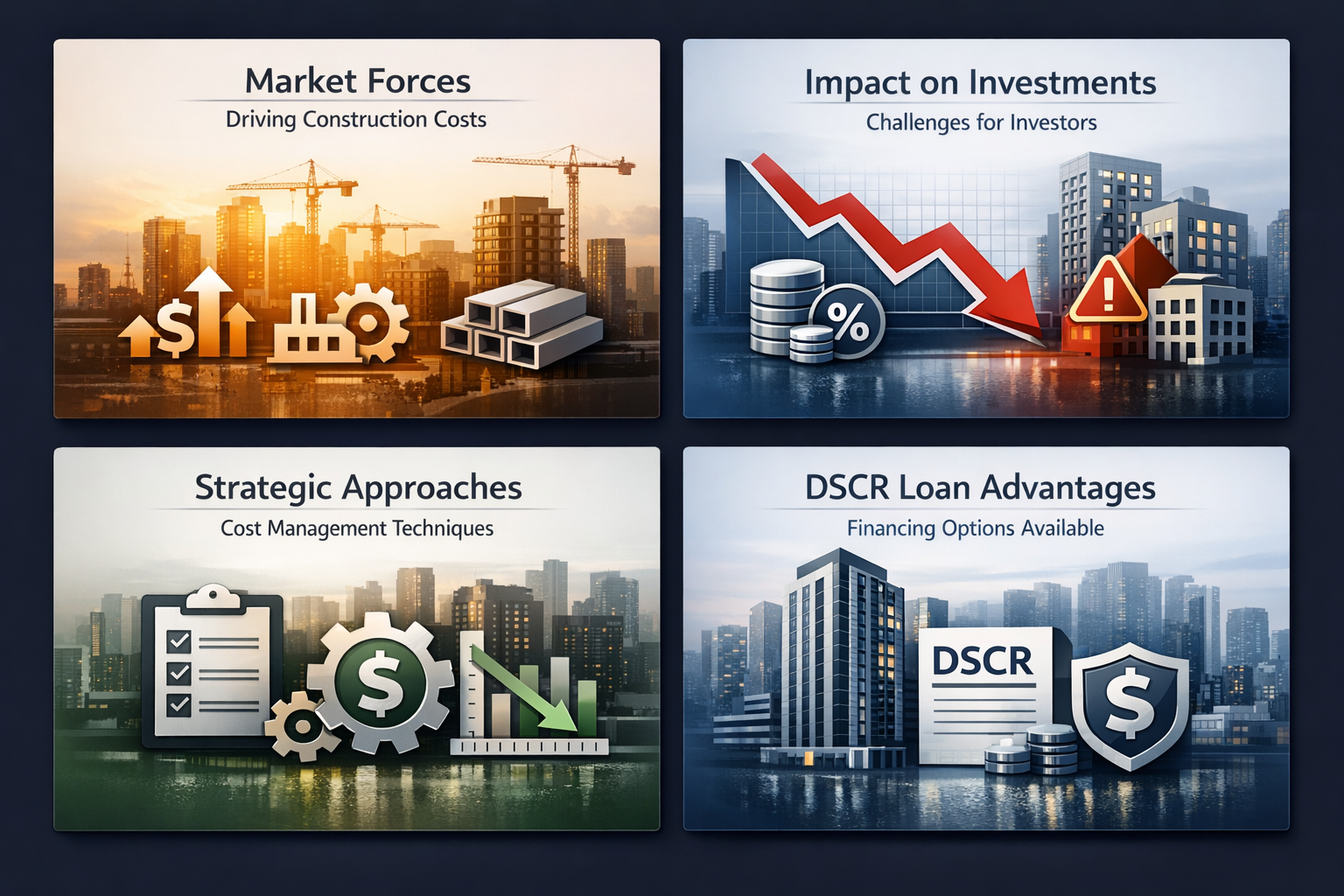
Market Forces Driving Construction Cost Inflation
Market forces driving construction cost inflation are creating significant challenges for real estate investors across multiple property types and investment strategies.
Material Price Escalation: Building material costs have increased by 3.5% annually, marking the most substantial rise since early 2023. This affects everything from lumber and steel to specialized components needed for property renovations and new construction projects.
Labor Market Pressures: Emerging trends in the construction economy highlight significant growth areas like data centers and megaprojects, which may contribute to labor shortages and wage inflation affecting smaller residential investment projects.
Supply Chain Disruptions: Persistent supply chain issues continue to impact material availability and pricing, forcing investors to account for longer project timelines and higher contingency budgets in their financial planning.
Regional Variations: Construction cost increases vary significantly by geographic market, requiring investors to carefully analyze local conditions when evaluating potential deals and comparing investment opportunities across different regions.
Impact on Fix and Flip Investment Strategies
The impact on fix and flip investment strategies has become increasingly pronounced as build cost inflation affects every aspect of property rehabilitation projects.
Rehab Budget Adjustments: Rising material costs require investors to increase rehab budgets by substantial margins, potentially affecting the overall feasibility of projects that were previously considered profitable under historical cost assumptions.
Timeline Considerations: Extended material delivery times and higher costs may lengthen project timelines, increasing carrying costs and reducing annualized returns on fix and flip investments throughout the renovation period.
Market Competition: Increased construction costs are affecting all investors in the market, potentially creating opportunities for those who can secure better pricing through established supplier relationships or alternative sourcing strategies.
Exit Strategy Adjustments: Higher renovation costs require corresponding increases in after-repair values to maintain target profit margins, necessitating more conservative approaches to property selection and market timing.
Rental Property Development Challenges
Rental property development challenges are intensifying as rising construction costs and rental property feasibility calculations require more sophisticated financial analysis and risk management approaches.
Income Projection Accuracy: Higher development costs require correspondingly higher rental rates to achieve target returns, making accurate income projections more critical and potentially limiting the pool of viable rental markets.
Construction Timeline Risk: Extended construction periods due to material delays and cost escalations increase the risk of market condition changes between project initiation and rental income generation.
Financing Considerations: Rising construction costs may require larger loan amounts or higher down payments, affecting cash flow projections and potentially limiting the number of simultaneous projects investors can undertake.
Market Absorption: Higher construction costs leading to higher rental rates may affect tenant demand and absorption rates, requiring more careful analysis of local rental market conditions and tenant demographics.
DSCR Loan Advantages in Current Market
DSCR loan advantages in the current market provide investors with valuable financing options despite construction cost pressures affecting rental property investments.
Favorable Rate Environment: DSCR loan interest rates in March 2026 range from approximately 5.875% to 7.375% for qualified borrowers, representing an improvement from previous 8-9% rates and creating better financing conditions for rental property acquisitions.
Cash Flow Based Underwriting: DSCR loans focus on property cash flow rather than personal income, which can be particularly advantageous when rising construction costs require investors to demonstrate stronger property-level returns to justify higher investment amounts.
Product Innovation: DSCR lending is evolving with hybrid products and institutional capital, providing investors new opportunities to leverage innovative financing structures that may help offset some of the challenges created by rising construction costs.
Refinancing Opportunities: Current DSCR rates create opportunities to refinance existing rental properties at more favorable terms, potentially freeing up capital to address higher construction costs on new projects or renovations.
Portfolio Optimization: Lower DSCR rates enable investors to optimize their entire portfolio, potentially improving overall returns and providing flexibility to navigate the challenges of rising construction costs across multiple properties.
Strategic Approaches to Cost Management
Strategic approaches to cost management have become essential for maintaining profitability as build cost inflation continues to challenge traditional investment models and income projections.
Alternative Material Sourcing: Investors are exploring alternative materials and suppliers to mitigate rising costs while maintaining quality standards, requiring careful evaluation of long-term durability and tenant appeal versus short-term cost savings.
Phased Development Strategies: Breaking larger projects into phases allows investors to adjust to changing market conditions and construction costs, providing flexibility to modify plans based on actual costs experienced in earlier phases.
Value Engineering Approaches: Systematic review of construction plans and specifications to identify cost-saving opportunities without compromising rental appeal or long-term property value becomes increasingly important in high-cost environments.
Strategic Timing Decisions: Careful timing of material purchases and construction starts based on market forecasts and seasonal pricing patterns can help investors optimize costs and improve overall project economics.
Technology Integration: Leveraging construction technology and project management tools to improve efficiency and reduce labor costs can help offset some of the impact of rising material prices on overall project budgets.
Rising construction costs and rental feasibility challenges are reshaping real estate investment strategies, but informed investors can still achieve strong returns through careful planning and adaptive approaches. The 3.2% increase in construction costs and 3.5% rise in building material prices require more sophisticated financial modeling and risk management.
Success in this environment depends on leveraging favorable financing options, such as current DSCR loan rates ranging from 5.875% to 7.375%, while implementing strategic cost management approaches. Investors who adapt their rehab budgets, adjust income projections, and explore alternative materials and suppliers are better positioned to maintain profitability.
The key is staying informed about market trends, maintaining flexibility in project planning, and working with experienced lenders who understand the unique challenges facing real estate investors in today's construction cost environment. By taking a proactive approach to these challenges, investors can continue building successful rental property portfolios despite the current cost pressures.