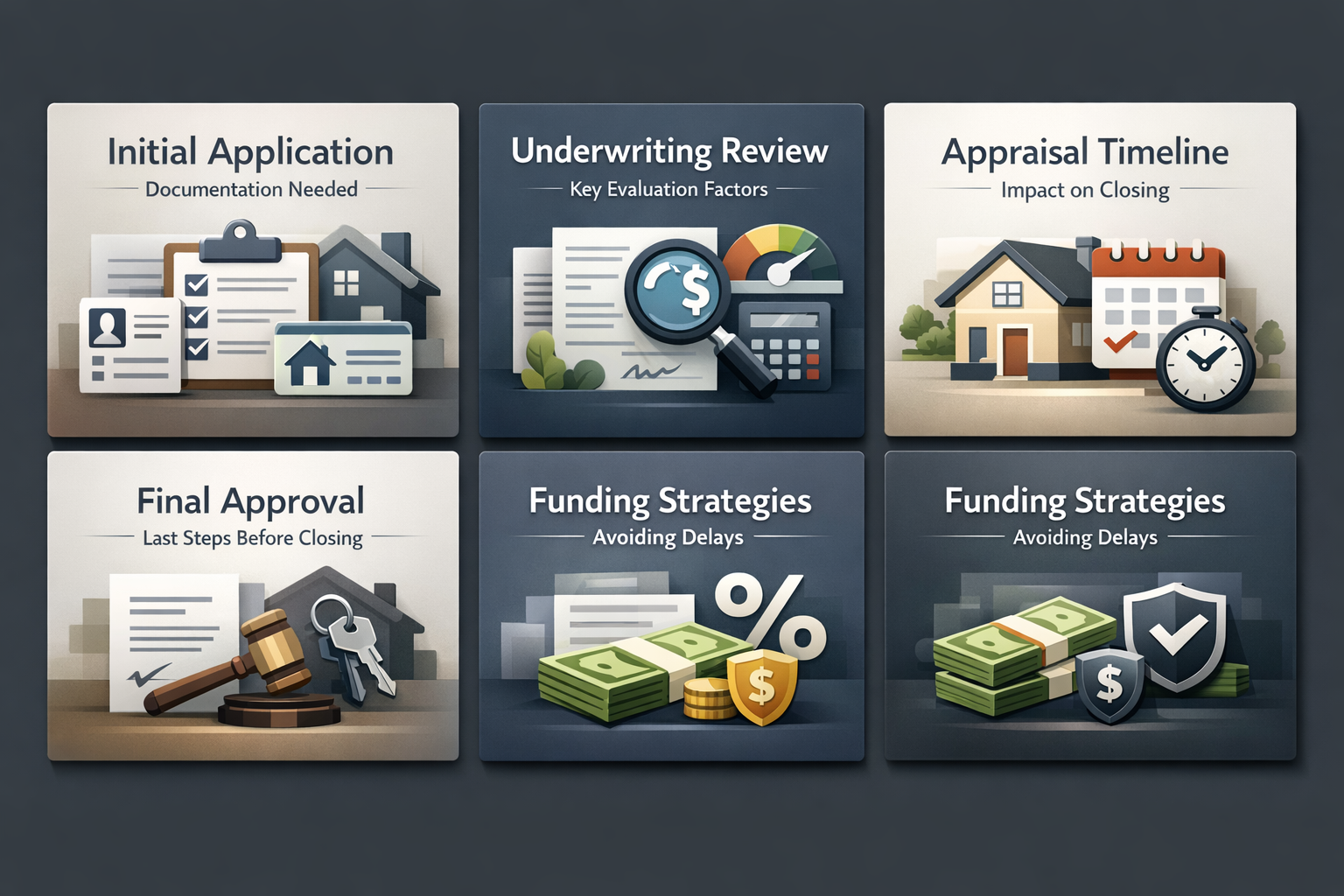
Real estate investors face a crucial question when planning their portfolio strategy: how long will closing timelines for rental refinancing actually take? The answer could significantly impact your investment decisions, cash flow management, and overall profitability.
Based on current market data, investors should typically expect a refinancing timeline ranging from 21 to 45 days for DSCR loans, with traditional refinancing averaging around 42 days. However, these timelines can vary considerably depending on several factors that savvy investors need to understand.
Understanding these closing timelines for rental refinancing helps you plan strategically, manage expectations, and avoid costly delays that could derail your investment timeline. Let's break down the essential stages and factors that determine your refinancing schedule.
Initial Application and Documentation Phase
The initial application and documentation phase sets the foundation for your entire refinancing timeline. This critical first stage typically requires 3-7 days and involves gathering comprehensive financial documentation.
Property income statements and lease agreements demonstrating rental cash flow and occupancy rates
Tax returns and financial statements showing your investment track record and creditworthiness
Current loan documentation including payment history and existing loan terms
Property insurance and maintenance records proving the asset's condition and coverage status
Investors who prepare these documents in advance often experience smoother approval stages and faster processing times. Many lenders require additional documentation specific to rental properties, including rent rolls and property management agreements if applicable.
Underwriting and Credit Analysis Review
The underwriting and credit analysis review represents one of the most critical approval stages in the refinancing process. This phase typically spans 7-14 days and focuses heavily on the property's debt service coverage ratio.
DSCR calculation verification ensuring the property generates sufficient income to cover debt obligations
Credit history assessment reviewing your personal and business credit profiles for risk evaluation
Income verification processes confirming rental income stability and collection history
Debt-to-income ratio analysis evaluating your overall financial capacity for additional investment debt
Property cash flow projections assessing long-term viability and market positioning
During this stage, lenders may request additional documentation or clarification on specific items. Quick responses to underwriter requests can help maintain momentum and avoid unnecessary funding delays.
Property Appraisal and Valuation Timeline
Property appraisal and valuation represents a potentially time-sensitive component where appraisal timing can significantly impact your overall closing schedule. This stage generally requires 7-10 days but may extend longer in certain market conditions.
Appraisal scheduling and coordination which may face delays during peak refinancing periods
Comparable property analysis examining recent sales of similar rental properties in your market area
Income approach valuation assessing the property's value based on rental income potential and cap rates
Property condition assessment identifying any maintenance or repair issues that could affect value
Market conditions, property complexity, and appraiser availability can all influence appraisal timing. Investors should consider scheduling appraisals early in the process when possible to avoid bottlenecks later in the timeline.
Final Approval and Loan Processing
Final approval and loan processing marks the culmination of the approval stages, typically requiring 5-10 days once all documentation and appraisal requirements are satisfied. This phase involves final underwriter sign-off and loan document preparation.
Final underwriting approval confirming all loan conditions have been met satisfactorily
Loan document preparation and review ensuring accurate terms and conditions reflect your agreement
Title search and insurance coordination verifying clear property ownership and securing lender protection
Closing coordination scheduling arranging convenient timing for all parties involved in the transaction
Funding preparation processes setting up wire transfers and payment logistics for closing day
This stage typically proceeds smoothly if previous phases were handled efficiently. However, last-minute issues can still arise, so maintaining flexibility in your schedule helps accommodate unexpected developments.
Strategies to Minimize Funding Delays
Strategies to minimize funding delays can help investors maintain their target closing timelines for rental refinancing and avoid costly postponements. Experienced investors often employ several proactive approaches to streamline the process.
Advance document preparation gathering all required financial records before initiating the application process
Professional team coordination working with experienced lenders who specialize in investor refinancing products
Market timing considerations planning refinancing during less busy periods when lenders have more capacity
Multiple lender consultations comparing timelines and requirements across different DSCR loan providers
Industry experts suggest planning refinancing moves 6 to 12 months in advance based on projected market movements and loan terms. This strategic approach allows investors to optimize their timing and potentially secure better rates while maintaining realistic timeline expectations.
Understanding closing timelines for rental refinancing empowers real estate investors to make informed decisions about their portfolio management and cash flow planning. With DSCR loans typically requiring 21-45 days and traditional refinancing averaging 42 days, proper timeline planning becomes essential for successful investment strategies.
The key to successful refinancing lies in preparation, documentation organization, and working with lenders who understand investor needs. By anticipating potential delays in approval stages, appraisal timing, and final processing, you can maintain realistic expectations while positioning yourself for optimal outcomes.
Current market conditions present opportunities for strategic refinancing, with DSCR loan rates ranging from 5.875% to 7.375%. Investors who master these timeline fundamentals and prepare accordingly often find themselves better positioned to capitalize on favorable market conditions and build sustainable rental property portfolios.