Real estate investors seeking to maximize returns from rental properties face an evolving financing landscape in 2026. A rental property cash flow mortgage, particularly through DSCR-based financing, offers a pathway to secure funding based on property income rather than personal tax returns. Understanding how these income driven approval processes work can significantly impact your investment strategy and long-term profitability.
Current market conditions present both opportunities and challenges for investors. With DSCR rates ranging between 7.25% and 10.75% across different markets, making informed decisions about financing options has become crucial for maintaining positive cash flow. The shift toward more sophisticated investor underwriting means that successful investors must adapt their strategies to meet evolving lending requirements.
Essential DSCR Loan Requirements Checklist
Essential DSCR loan requirements have evolved significantly for 2026, creating new opportunities for investors who understand the current qualification criteria. These requirements focus on property performance rather than traditional income documentation, making them particularly attractive for investors with complex tax situations.
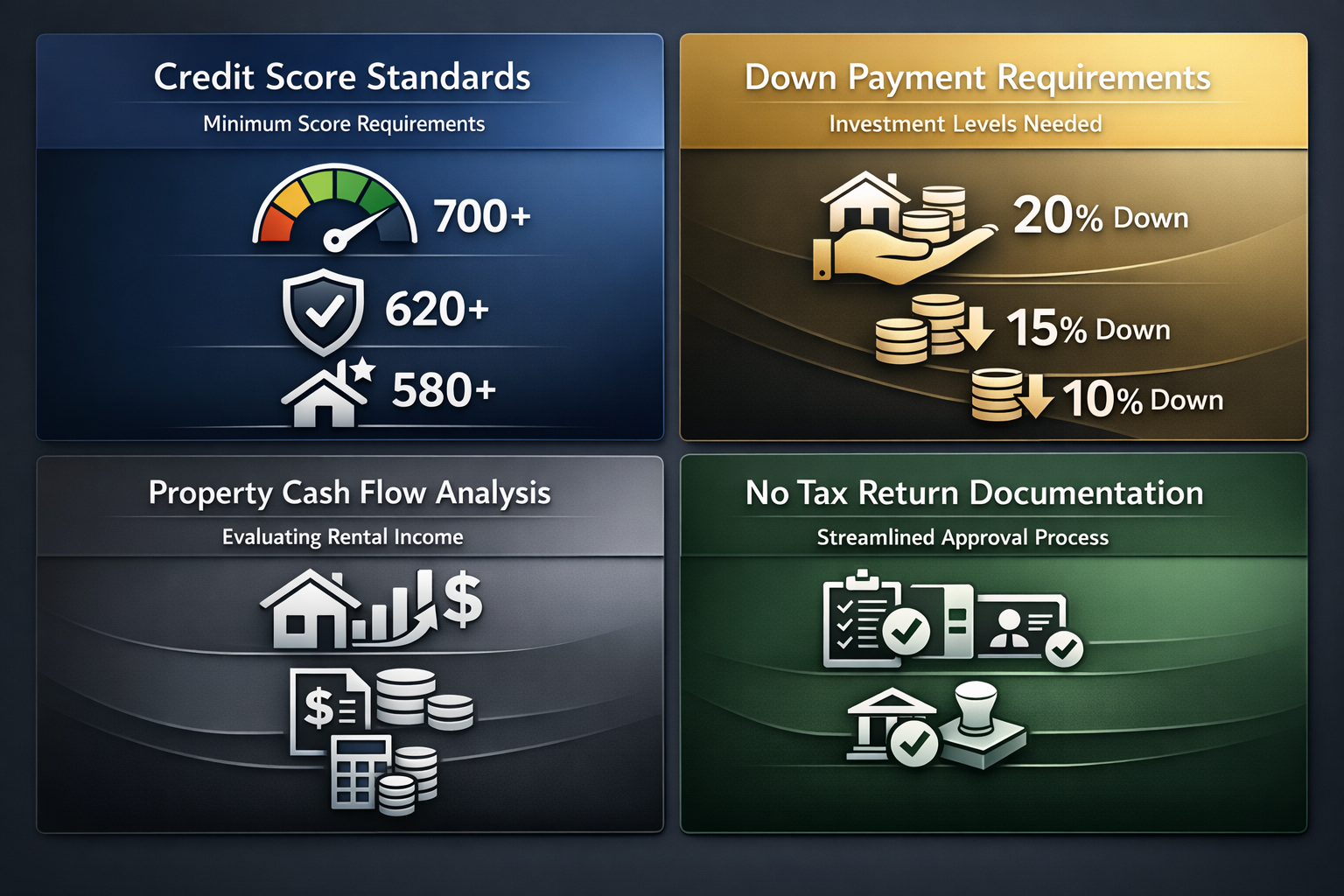
Credit Score Standards: Minimum credit requirements vary by lender, though most programs require scores above certain thresholds for optimal rates
Down Payment Requirements: Cash investment levels typically range from 20% to 25% depending on property type and investor experience
Property Cash Flow Analysis: Lenders evaluate rental income potential against debt service obligations to determine loan viability
No Tax Return Documentation: DSCR programs eliminate the need for personal tax returns, streamlining the approval process for investors
Market Rate Analysis for Maximum Returns
Market rate analysis reveals significant regional variations that can impact your rental property cash flow mortgage strategy. Understanding these differences helps investors identify the most cost-effective financing options across different markets.
Current Rate Range: DSCR rates currently span from 7.25% to 10.75% in early 2026, with variations based on market conditions
Regional Variations: Different markets offer varying rates based on local economic factors and lender competition
Rate Impact on Cash Flow: Even small rate differences can significantly affect monthly cash flow and long-term investment returns
Timing Considerations: Market conditions continue to shift, making rate monitoring essential for optimal financing decisions
Top Investment Markets for DSCR Success
Top investment markets for DSCR success in 2026 show distinct patterns in rent growth and price-to-rent ratios that directly impact cash flow potential. Identifying these markets can significantly enhance your investment outcomes through strategic location selection.
High Rent Growth Regions: Markets experiencing strong rent appreciation provide better long-term cash flow potential for DSCR investments
Favorable Price-to-Rent Ratios: Areas with optimal ratios offer better opportunities for positive cash flow from day one
Market Stability Factors: Economic diversification and job growth contribute to sustainable rental demand in target markets
Future Growth Projections: Understanding market trajectories helps investors position for continued cash flow growth
Achieving Optimal DSCR Performance
Achieving optimal DSCR performance requires strategic property management and financial planning to maintain ratios that unlock better financing terms. A DSCR of 1.25 or higher typically provides access to more favorable interest rates.
Revenue Optimization: Focus on maximizing rental income through market-rate pricing, property improvements, and tenant retention strategies
Expense Management: Control operating costs while maintaining property quality to improve net operating income calculations
Cash Flow Monitoring: Regular analysis of income and expenses helps maintain target DSCR levels throughout the investment period
Property Performance Tracking: Systematic monitoring allows for proactive adjustments to maintain optimal debt service coverage
Adapting to Evolving Lending Standards
Adapting to evolving lending standards becomes increasingly important as DSCR lending continues to develop with new hybrid products and institutional capital involvement. These changes are reshaping how investors approach rental property financing.
Hybrid Product Understanding: New financing structures combine traditional and innovative approaches, requiring investors to evaluate multiple options
Credit Standard Adjustments: Tighter underwriting requirements mean investors must prepare more comprehensive financial documentation and property analysis
Institutional Capital Impact: Increased institutional involvement may create new opportunities but also heightened competition for quality deals
Strategy Flexibility: Successful investors maintain adaptable approaches that can respond to changing market conditions and lender requirements
Maximizing Your Investment Success
Maximizing your investment success with rental property cash flow mortgages requires a comprehensive understanding of current market dynamics, financing options, and performance optimization strategies. The combination of proper market selection, optimal DSCR maintenance, and adaptation to evolving lending standards creates a framework for sustainable investment growth. Investors who stay informed about rate variations, maintain strong property performance metrics, and position themselves for changing market conditions typically achieve better long-term outcomes in their rental property portfolios.
The rental property cash flow mortgage landscape in 2026 offers significant opportunities for informed investors who understand DSCR-based financing strategies. Success depends on maintaining optimal debt service coverage ratios, selecting markets with favorable rent growth potential, and adapting to evolving lending requirements.
As financing options continue to develop, investors who focus on property cash flow performance while staying current with market rate variations position themselves for sustainable growth. The shift toward income driven approval processes through DSCR programs provides greater flexibility for investors seeking to expand their portfolios without traditional documentation constraints.