Real estate investors often face unique challenges when seeking traditional mortgage financing, particularly those who are self-employed, between jobs, or rely on unconventional income sources. Qualifying for a DSCR loan without a job presents a viable solution that many investors might not fully understand. Unlike conventional mortgages that require extensive employment verification and personal income documentation, DSCR loans focus primarily on the property's ability to generate rental income. This income based lending approach opens doors for investors who may struggle with traditional employment requirements but have solid investment properties that produce consistent cash flow.
Common Questions About DSCR Loan Employment Requirements
Understanding the employment requirements for DSCR loans can help investors navigate the qualification process more effectively. Here are key questions investors typically ask about securing financing without traditional job verification.
Q: Can I qualify for a DSCR loan if I'm unemployed?
Yes, you may qualify for a DSCR loan even without traditional employment. These loans focus on the rental income generated by the investment property rather than your personal employment status or income documentation.
Q: Do DSCR lenders verify my job history?
Most DSCR lenders do not require extensive employment verification or job history documentation. The approval criteria typically center on your credit score, cash reserves, and the property's rental income potential.
Q: What if I'm self-employed with irregular income?
Self-employed investors often find DSCR loans particularly beneficial since these loan products bypass the need for tax returns or complex income documentation that can be challenging for those with variable earnings.
Key Approval Criteria for DSCR Loans
DSCR loan approval criteria differ significantly from traditional mortgage requirements, focusing on factors that matter most to investors seeking rental property financing.
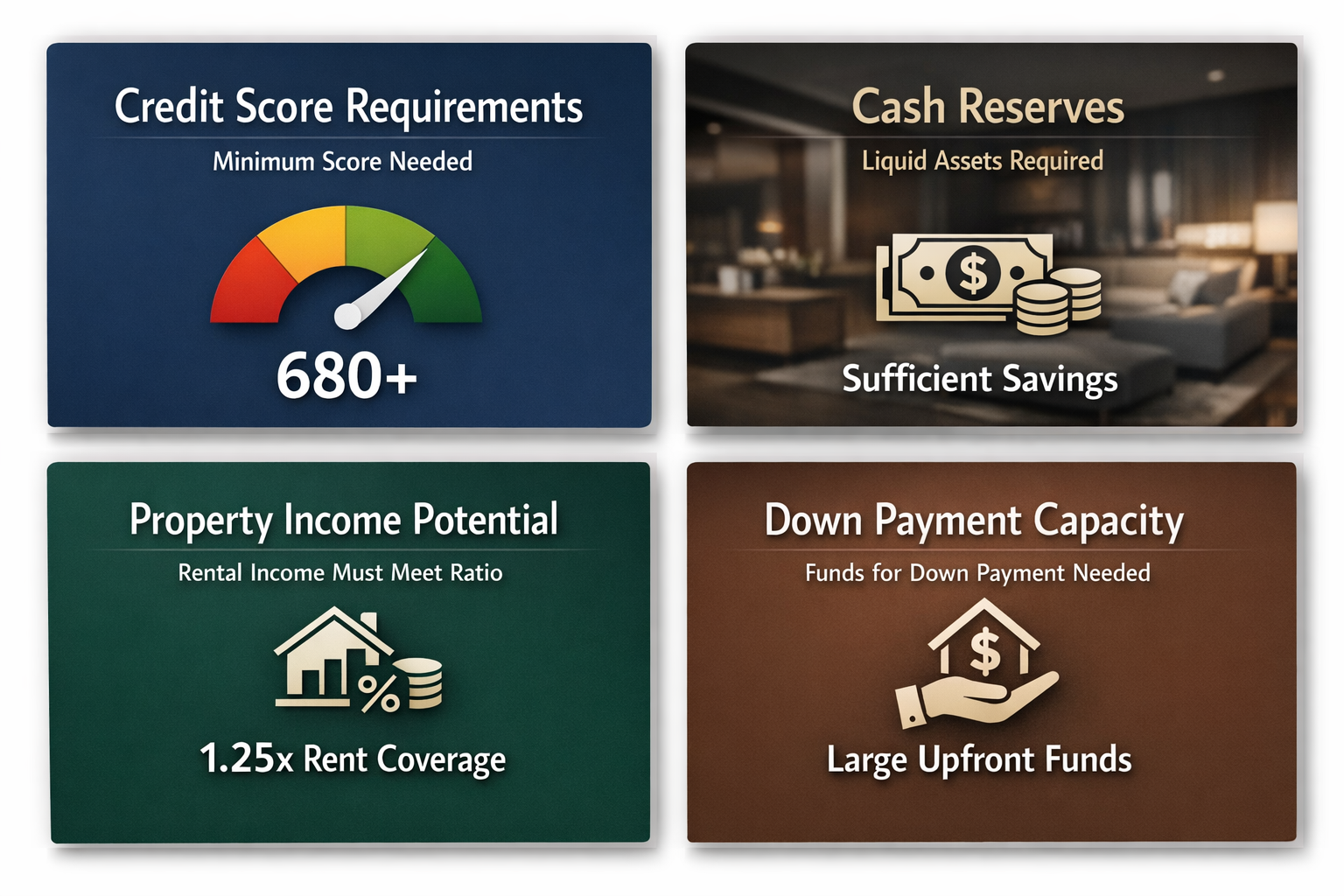
Credit Score Requirements: Lenders typically require a minimum credit score, though this may vary by lender and loan program specifics
Cash Reserves: Adequate liquid assets and reserves demonstrate your ability to handle property expenses and mortgage payments during vacancy periods
Property Income Potential: The rental income generated by the investment property must meet the debt service coverage ratio requirements set by the lender
Down Payment Capacity: Sufficient funds for the required down payment, which may be higher than conventional mortgages but doesn't require employment verification
Benefits of Income Based Lending for Investors
Income based lending through DSCR loans offers numerous advantages that align with investor needs and investment strategies.
Simplified Documentation: Eliminate the need for tax returns, pay stubs, and employment verification letters that can complicate traditional loan applications
Faster Approval Process: Streamlined underwriting may lead to quicker loan approvals, allowing investors to capitalize on time-sensitive opportunities
Portfolio Expansion Flexibility: Investors can scale their rental portfolios without being limited by personal income constraints or debt-to-income ratios
Investment-Focused Evaluation: Lenders assess the property's income potential rather than personal financial circumstances, aligning with investment objectives
Property Income Requirements and Calculations
Understanding how lenders evaluate property income is crucial for qualifying for a DSCR loan without a job, as this becomes the primary factor in approval decisions.
Rental Income Documentation: Current lease agreements, rental history, or market rent analysis may be required to establish income potential
Debt Service Coverage Ratio: The property's rental income must typically exceed the mortgage payment by a specific ratio determined by the lender
Market Rent Analysis: Lenders might use comparable rental properties in the area to verify realistic income projections for your investment
Vacancy Factor Considerations: Some lenders may apply vacancy factors to rental income calculations to account for potential periods without tenants
Steps to Prepare Your DSCR Loan Application
Proper preparation can significantly improve your chances of qualifying for a DSCR loan without traditional employment verification.
Assess Your Credit Profile: Review your credit reports and address any issues that might impact your approval, as credit score remains an important factor in DSCR lending
Compile Property Documentation: Gather lease agreements, rental histories, property appraisals, and market rent analyses to support the income potential of your investment
Calculate Cash Reserves: Ensure you have adequate liquid assets and document your available funds for down payment and reserve requirements
Research Lender Requirements: Different lenders may have varying criteria for DSCR loans, so compare options to find the best fit for your situation
Prepare Property Financial Analysis: Create a clear picture of the property's income potential and expenses to demonstrate its ability to service the debt
Alternative Documentation Strategies for Self-Employed Investors
Self-employed investors can leverage specific strategies to strengthen their DSCR loan applications without relying on traditional employment verification.
Bank Statement Analysis: Some lenders may review business or personal bank statements to assess cash flow patterns and financial stability
Asset Documentation: Comprehensive documentation of investment assets, retirement accounts, and liquid reserves can demonstrate financial capacity
Investment Portfolio Overview: Present your existing rental properties and their performance to showcase your experience and success in real estate investing
Professional References: Property management companies, real estate agents, or accountants familiar with your investments can provide credibility to your application
Qualifying for a DSCR loan without a job represents a significant opportunity for real estate investors who may not fit the traditional employment mold but possess solid investment properties with strong income potential. This income based lending approach shifts the focus from personal employment verification to property performance, creating pathways for self-employed investors, those between jobs, or anyone with non-conventional income sources. By understanding the approval criteria, preparing proper documentation, and working with lenders who specialize in investment property financing, you can successfully navigate the DSCR loan process. The key lies in demonstrating the property's ability to generate sufficient rental income while meeting credit and reserve requirements that support your investment strategy.