The DSCR loan closing process can make or break your investment timeline. While these investor-focused loans typically offer streamlined underwriting compared to traditional mortgages, understanding each step from application to funding helps you avoid costly delays and secure your rental property deals faster.
Recent data suggests that missing documentation can extend the closing process by 1-3 weeks beyond the typical 21-45 day window. For real estate investors operating in competitive markets, this delay might mean losing profitable opportunities or facing unexpected carrying costs.
This guide breaks down the essential components of closing DSCR loans efficiently, helping you prepare for each stage and maximize your investment success.
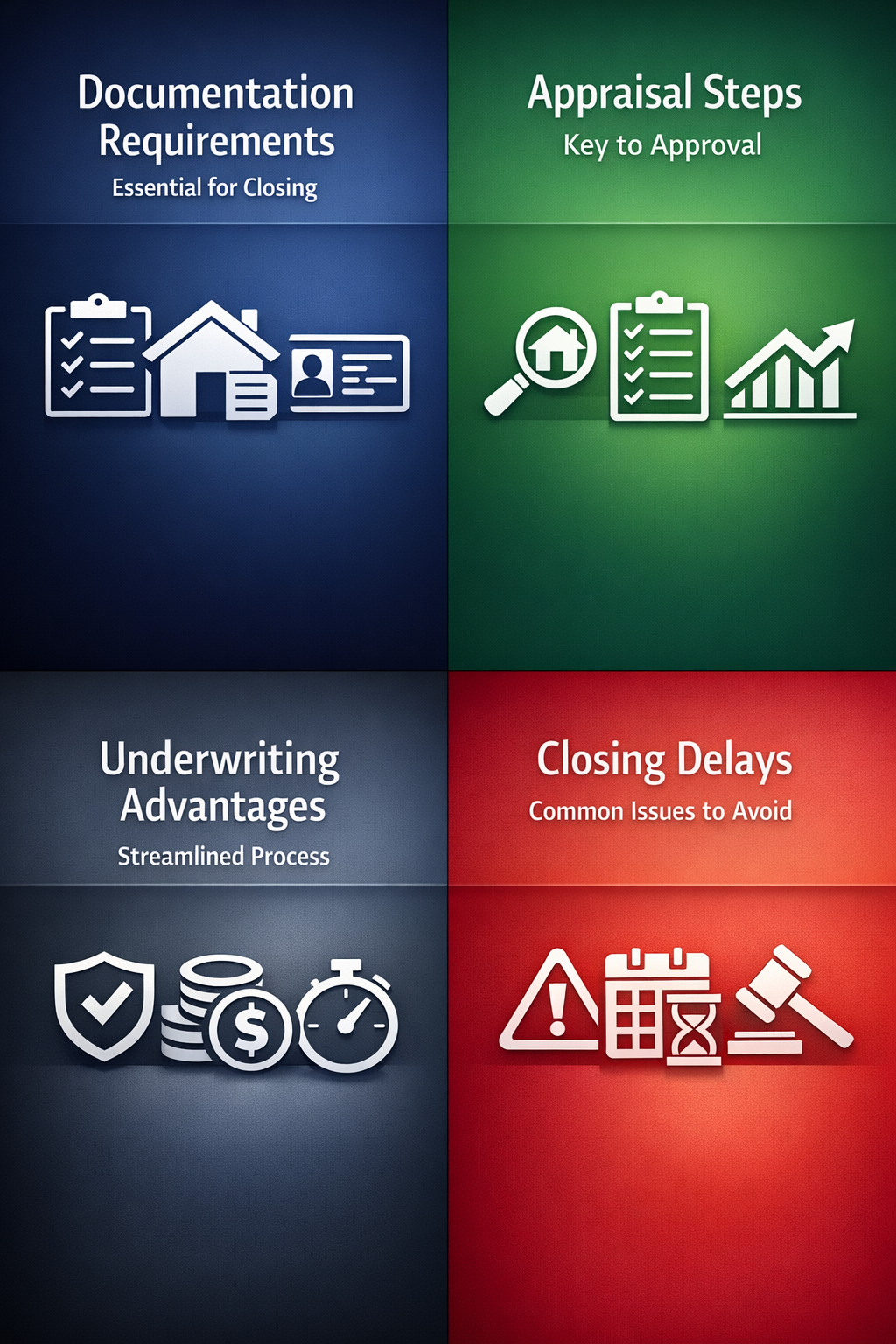
Essential Documentation Requirements for DSCR Loans
Essential documentation requirements for DSCR loans form the foundation of a smooth closing process. Unlike traditional mortgages that focus heavily on personal income verification, DSCR loans prioritize property cash flow and investment potential.
Property financial documents: Rent rolls, lease agreements, and property management statements that demonstrate current and projected rental income
Personal financial records: Bank statements, tax returns, and proof of assets, though these requirements may be reduced compared to conventional loans
Property details: Purchase agreements, property insurance quotes, and any existing property condition reports
Investment portfolio information: Details about other rental properties you own, including their performance metrics and debt service coverage ratios
Lenders typically require these documents to assess the property's ability to generate sufficient cash flow to cover the mortgage payments. Having a comprehensive document checklist can expedite loan underwriting and reduce the likelihood of delays during the DSCR loan closing process.
Critical Appraisal Steps and Timeline Considerations
Critical appraisal steps represent a crucial phase in the DSCR loan closing process, often determining both loan approval and final terms. The appraisal process for investment properties typically involves more complex analysis than owner-occupied homes.
Property valuation methods: Appraisers may use income approach, sales comparison approach, and cost approach to determine fair market value for rental properties
Rental income verification: Appraisers assess current market rents and compare them to the property's rental history and lease agreements
Property condition assessment: Detailed inspection of the property's physical condition, including any needed repairs that might affect the loan terms
Timeline expectations: Appraisals for investment properties might take longer than residential appraisals due to the complexity of income analysis and comparable property research
Understanding these appraisal steps helps investors prepare their properties and documentation appropriately. Properties in good condition with solid rental histories tend to move through the appraisal process more efficiently, supporting faster closing timelines.
Streamlined Underwriting Process Advantages
Streamlined underwriting process advantages make DSCR loans particularly attractive for experienced real estate investors seeking efficient deal closures. This approach differs significantly from traditional mortgage underwriting procedures.
Reduced documentation burden: DSCR loans typically require fewer personal income documents, focusing instead on property performance and debt service coverage ratios
Property-focused evaluation: Underwriters primarily assess the property's cash flow potential rather than the borrower's employment history or debt-to-income ratios
Faster decision timelines: With fewer personal financial factors to verify, lenders may be able to provide loan decisions more quickly than conventional mortgage processes
Portfolio-based lending: Some lenders consider the borrower's entire real estate portfolio performance, which can strengthen the application for investors with multiple properties
These advantages can translate into competitive benefits in fast-moving real estate markets. Investors who understand how to leverage the streamlined nature of DSCR loan underwriting may close deals more efficiently than competitors using traditional financing methods.
Common Closing Delays and Prevention Strategies
Common closing delays in the DSCR loan process often stem from preventable issues that investors can address through proper preparation and communication with their lending team.
Incomplete documentation: Missing or outdated financial documents can extend the process by 1-3 weeks, making thorough preparation essential for timely closings
Property condition issues: Unexpected repair needs discovered during inspections may require additional documentation or loan term adjustments
Title and legal complications: Complex ownership structures or title issues specific to investment properties can create additional review requirements
Changing market conditions: Interest rate fluctuations or new lender requirements may affect loan terms and require additional documentation or approvals
Prevention strategies include maintaining organized financial records, conducting pre-purchase property inspections, and working with experienced professionals who understand investment property transactions. Investors should also stay informed about potential new fees or requirements that might affect their specific loan products and closing timeline expectations.
Final Approval and Funding Timeline Expectations
Final approval and funding timeline expectations help investors plan their cash flow and coordinate property acquisitions effectively. The DSCR loan closing process typically follows a more predictable timeline than some traditional financing options.
Standard timeline framework: Most DSCR loans close within a 21-45 day window, though this can vary based on lender requirements and loan complexity
Final underwriting review: Once all documentation is complete, final underwriting decisions may occur within several days to one week
Funding coordination: Wire transfers and closing document preparation typically require 2-3 business days after final funding
State-specific considerations: Some states may have additional requirements or processing times that affect the overall timeline, particularly for investors expanding into new markets
Investors should maintain flexibility in their timeline expectations while preparing for standard closing procedures. Understanding these typical timeframes helps with property acquisition planning and ensures adequate preparation for each stage of the DSCR loan closing process.
Successfully navigating the DSCR loan closing process requires preparation, understanding, and strategic timing. By focusing on complete documentation, understanding appraisal requirements, and anticipating potential delays, real estate investors can optimize their closing experience and maintain competitive advantages in their markets.
The streamlined nature of DSCR loans offers significant benefits for experienced investors, but success still depends on thorough preparation and working with knowledgeable lending partners. As the investment lending landscape continues to evolve, staying informed about changing requirements and maintaining organized financial records will continue to serve investors well.
Consider developing standardized documentation processes and building relationships with experienced DSCR lenders to ensure your future investment acquisitions proceed smoothly and efficiently through the closing process.