Understanding DSCR Rates with Low DSCR for Real Estate Investors
Real estate investors often encounter properties with debt service coverage ratios below 1.0, creating unique financing challenges. Understanding DSCR rates with low DSCR becomes crucial when traditional metrics don't align with investment opportunities. Recent market developments show that some lenders now accept DSCR requirements as low as 0.0, though this flexibility typically comes with adjusted pricing structures.
For investors targeting cash flow properties or value-add opportunities, navigating sub threshold pricing and risk premiums can make the difference between securing a deal and losing it to competitors. The key lies in understanding which financing approaches work best when property income doesn't fully cover debt payments initially.
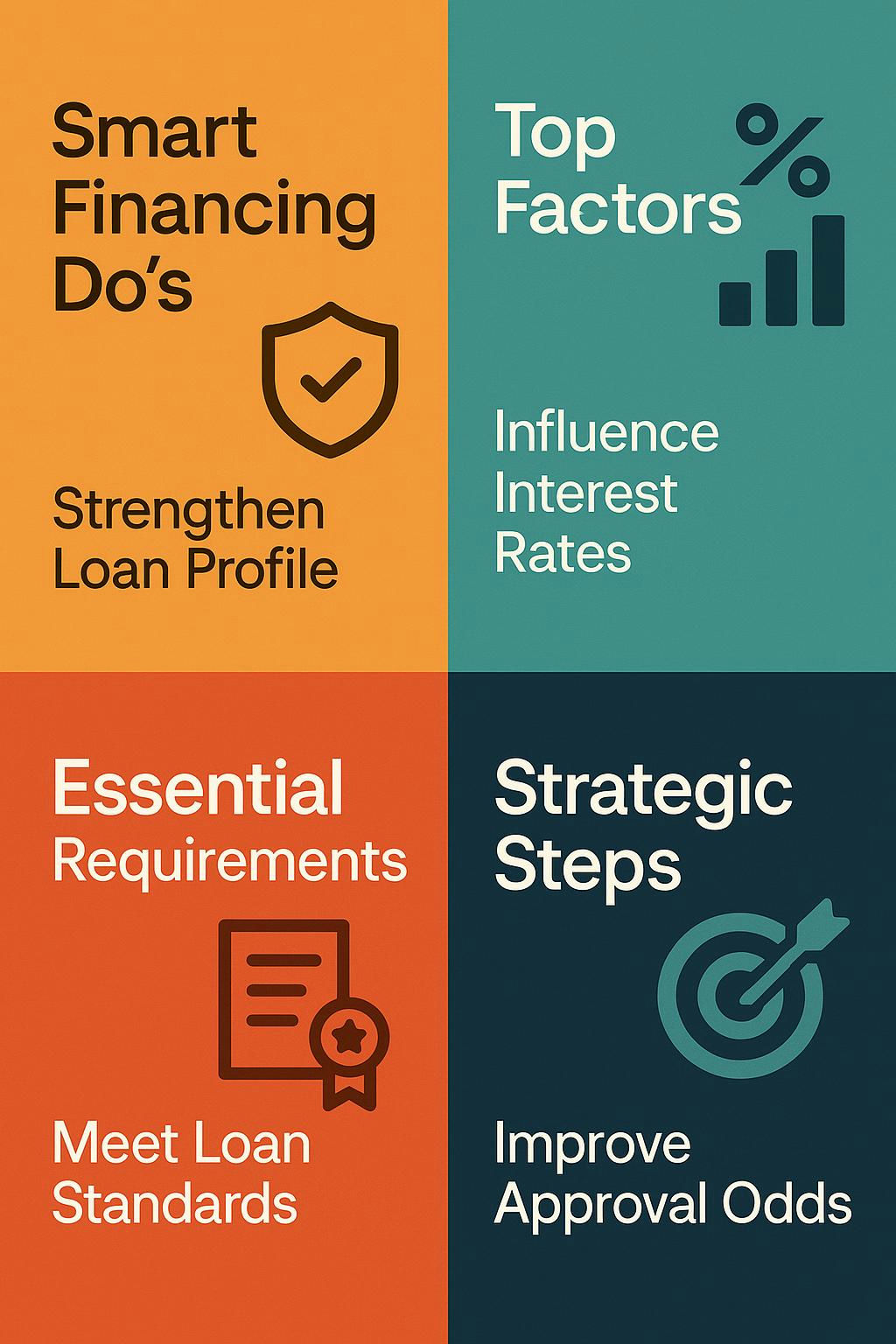
Smart Financing Do's for Low DSCR Properties
Smart financing do's for low DSCR properties can help investors secure funding even when cash flow metrics fall short. These strategies focus on strengthening your overall loan profile and working with the right lending partners.
Shop multiple lenders specifically: Some lenders now offer minimum DSCR requirements as low as 0.0, though terms and pricing may vary significantly between institutions.
Prepare comprehensive property analysis: Document potential rent increases, property improvements, or market appreciation that could improve future cash flow performance.
Consider higher down payments: Increasing your equity stake might help offset lender concerns about lower debt service coverage ratios.
Focus on credit score optimization: With DSCR loans accepting credit scores as low as 680, maintaining strong personal credit becomes even more important for favorable pricing.
Common Don'ts That Hurt Low DSCR Applications
Common don'ts that hurt low DSCR applications often stem from misunderstanding how lenders evaluate risk when debt service coverage falls below traditional thresholds. Avoiding these mistakes can improve your chances of approval.
Don't ignore market timing: Interest rates currently range from 6.25% to 8.00% for DSCR loans, and market conditions significantly influence available terms for low ratio properties.
Don't overlook property cash flow documentation: Even with flexible DSCR requirements, lenders still need comprehensive income analysis to assess risk premiums appropriately.
Don't assume all lenders are equal: Different institutions have varying appetites for low DSCR deals, making lender selection crucial for approval success.
Don't neglect backup financing strategies: Low DSCR properties may require alternative financing structures if traditional DSCR loans become too expensive.
Top Factors Influencing Your Interest Rate
Top factors influencing your interest rate become more critical when dealing with DSCR rates with low DSCR scenarios. Understanding these elements helps investors anticipate pricing and negotiate better terms.
Credit Score Impact: Personal creditworthiness carries more weight when property cash flow is limited, with scores below 680 potentially triggering additional risk premiums.
Property Cash Flow Analysis: Even low DSCR properties require thorough income documentation, as lenders use this data to calculate appropriate interest rate adjustments.
Market Conditions Timing: Current economic factors influence the 6.25% to 8.00% rate spectrum, with low DSCR properties typically pricing toward the higher end.
Down Payment Percentage: Larger equity investments might help secure better pricing when debt service coverage ratios fall short of traditional standards.
Property Type and Location: Certain markets and property classes carry different risk assessments, affecting how lenders price sub threshold loans.
Essential Loan Requirements You Must Meet
Essential loan requirements you must meet for low DSCR financing often differ from traditional investment property standards. These requirements help lenders manage risk when property income doesn't fully cover debt payments.
Minimum Credit Score Thresholds: Most lenders require credit scores of at least 680, though some may accept lower scores with additional compensation through higher rates or fees.
Down Payment Minimums: Investment property loans typically require substantial down payments, with low DSCR scenarios potentially demanding even higher equity contributions.
Cash Reserve Requirements: Lenders may require several months of mortgage payments in reserves to offset concerns about limited property cash flow coverage.
Property Condition Standards: Investment properties must meet certain habitability and marketability criteria, even when seeking flexible DSCR terms.
Income Documentation: While DSCR loans focus on property income, some level of personal income verification might still be required for low ratio applications.
Strategic Steps to Improve Your Approval Odds
Strategic steps to improve your approval odds focus on strengthening your loan application where traditional DSCR metrics fall short. These approaches help demonstrate investment viability beyond basic debt coverage calculations.
Document Property Improvement Plans: Present detailed renovation or management strategies that could increase rental income and improve future DSCR performance over time.
Provide Market Comparables: Show similar properties in the area with higher rents or appreciation potential to justify the investment despite current low cash flow coverage.
Strengthen Personal Financial Profile: Maintain strong personal credit, cash reserves, and other assets that demonstrate overall financial stability to offset property-level concerns.
Consider Portfolio Approach: If you have multiple properties, present the entire portfolio performance to show how this investment fits your broader strategy.
Work with Experienced Professionals: Partner with lenders who specialize in investor financing and understand how to structure deals for properties with approval challenges.
Successfully navigating DSCR rates with low DSCR requires understanding that sub threshold pricing and risk premiums are part of the investment landscape. While these properties present approval challenges, the expanding availability of flexible lending options creates opportunities for prepared investors.
The key to success lies in comprehensive preparation, strategic lender selection, and realistic pricing expectations. By focusing on the factors within your control, such as credit scores, down payments, and property analysis, you can position yourself for approval even when traditional debt service coverage falls short.
Remember that low DSCR financing is often about demonstrating long-term investment viability rather than immediate cash flow perfection. With the right approach and realistic expectations about pricing, these properties can still play a valuable role in building your real estate investment portfolio.