Real estate investors face unique challenges when securing their rental property investments, and understanding insurance requirements for rentals represents one of the most critical aspects of successful property management. Unlike traditional homeowner policies, rental property insurance involves complex coverage considerations that can significantly impact your bottom line and long-term investment strategy.
The insurance landscape for rental properties differs substantially from residential coverage, requiring investors to navigate landlord policies, liability concerns, and property protection strategies. Whether you're financing through DSCR loans or traditional investment mortgages, lenders typically mandate specific insurance requirements that go beyond basic property coverage.
This comprehensive guide examines the essential insurance requirements every rental property investor must understand, from fundamental landlord policy components to advanced risk management strategies that protect your investment portfolio.
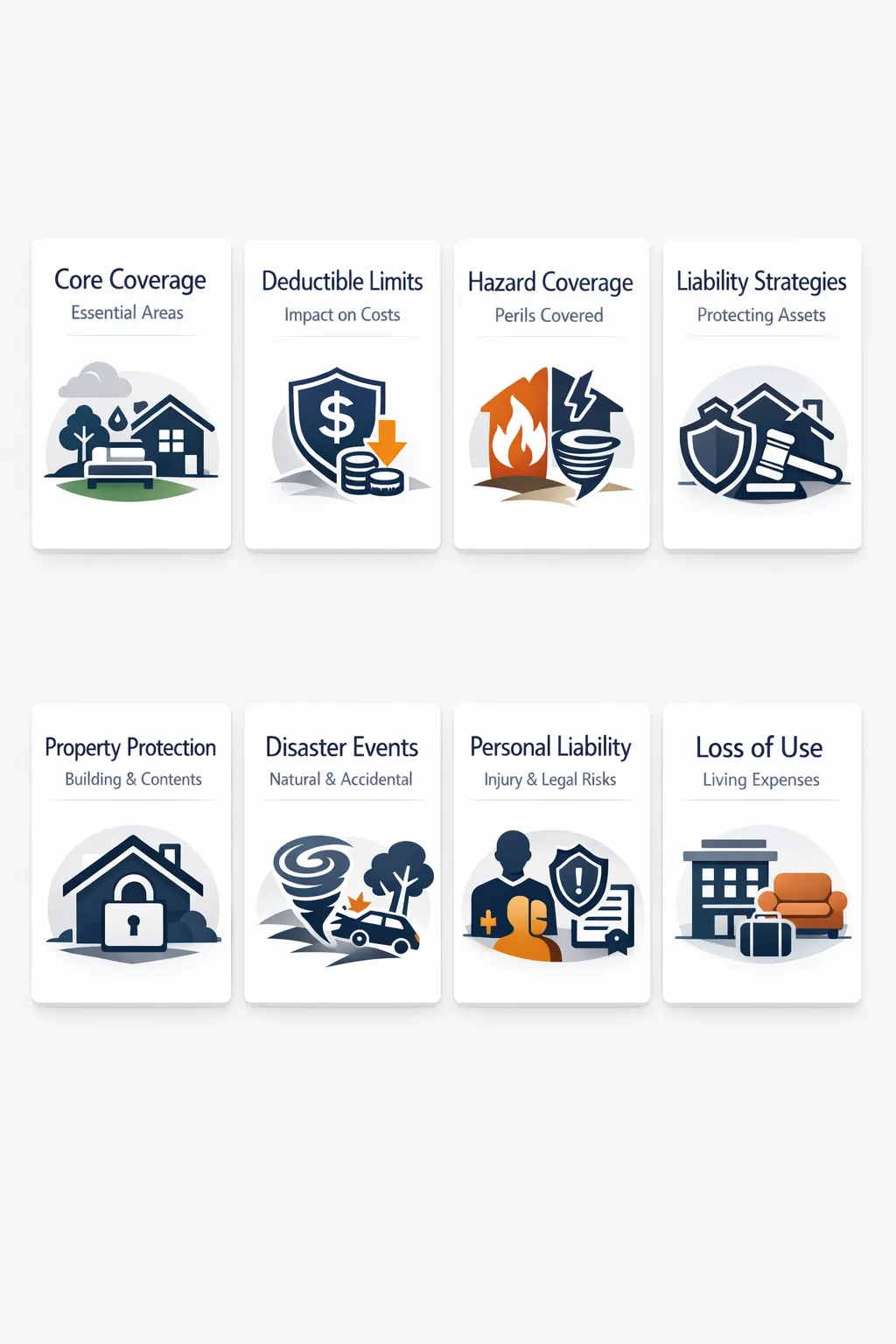
Core Landlord Policy Components
Understanding the core landlord policy components helps investors make informed decisions about their rental property protection strategy. A comprehensive landlord policy typically includes several essential coverage areas that differ from standard homeowner insurance.
Property Structure Coverage: Protects the physical building, including walls, roof, flooring, and built-in appliances from covered perils like fire, windstorm, and vandalism
Liability Protection: Covers legal expenses and damages if tenants or visitors are injured on your property, which might include medical expenses and legal defense costs
Loss of Rental Income: Provides compensation when your property becomes uninhabitable due to covered damage, helping maintain cash flow during repair periods
Personal Property Coverage: Protects appliances, furniture, and other items you provide as the landlord, though tenant belongings remain their responsibility
Understanding Deductible Limits and Options
Deductible limits play a crucial role in balancing your insurance premiums with out-of-pocket expenses when claims occur. Most insurance providers offer various deductible structures that can significantly impact both your annual costs and potential claim payouts.
Standard Deductibles: Typically range from $500 to $2,500 per claim, with higher deductibles generally resulting in lower annual premiums
Percentage Deductibles: Some policies calculate deductibles as a percentage of the property's insured value, which might be more appropriate for high-value properties
Split Deductibles: Different deductible amounts may apply to various types of claims, such as wind damage versus theft or vandalism
Per-Occurrence vs. Annual: Understanding whether your deductible applies per incident or annually can affect your financial planning and risk assessment
Hazard Coverage Essentials
Hazard coverage forms the foundation of rental property protection, addressing the various perils that could damage or destroy your investment. The scope of hazard coverage can vary significantly between policies and geographic locations.
Natural Disasters: Coverage for events like hurricanes, tornadoes, hail, and earthquakes, though some perils may require separate policies or endorsements
Fire and Smoke Damage: Comprehensive protection against fire-related losses, including smoke damage and emergency services costs
Water Damage: Coverage for sudden and accidental water damage, while typically excluding flood damage which requires separate flood insurance
Theft and Vandalism: Protection against criminal activities that might damage your property or result in loss of landlord-owned items
Liability Protection Strategies
Liability protection represents one of the most critical aspects of rental property insurance, as landlords face potential lawsuits from various sources. Developing comprehensive liability protection strategies helps safeguard your personal assets and investment portfolio.
General Liability Coverage: Protects against claims for bodily injury or property damage that occur on your rental property premises
Umbrella Policy Considerations: Additional liability coverage that extends beyond your standard policy limits, providing extra protection for substantial claims
Legal Defense Coverage: Covers attorney fees and court costs even when claims prove unfounded, which can save significant expenses during litigation
Fair Rental Value Protection: Compensates for lost rental income when liability claims result in property damage that makes units uninhabitable
Lender Requirements and DSCR Considerations
Lender requirements for rental property insurance often exceed basic coverage needs, particularly when financing through specialized loan products like DSCR loans. Understanding these requirements helps ensure loan compliance and optimal property protection.
Minimum Coverage Amounts: Most lenders require coverage equal to the loan amount or replacement cost, whichever is greater, ensuring adequate protection for their collateral investment
Additional Insured Status: Lenders typically require naming them as additional insured or loss payee, giving them rights to insurance proceeds in case of covered losses
Continuous Coverage Mandates: Loan agreements usually include clauses requiring uninterrupted insurance coverage throughout the loan term, with potential acceleration upon policy lapses
Premium Payment Verification: Some lenders may require escrow accounts for insurance premiums or periodic proof of payment to ensure ongoing coverage
Cost Management and Premium Optimization
Effective cost management and premium optimization strategies can significantly reduce your insurance expenses while maintaining adequate coverage for your rental property investments. Smart investors understand how to balance protection needs with budget considerations.
Multi-Property Discounts: Many insurance companies offer reduced rates when you insure multiple rental properties under a single policy or with the same carrier
Safety Feature Credits: Installing security systems, smoke detectors, and other safety improvements might qualify for premium reductions while enhancing property protection
Deductible Strategy: Choosing higher deductibles can lower annual premiums, but ensure you maintain sufficient cash reserves to cover potential out-of-pocket expenses
Annual Policy Reviews: Regular coverage reviews and comparison shopping can identify opportunities for better rates or improved coverage options as your portfolio grows
Successfully navigating insurance requirements for rentals requires a comprehensive understanding of coverage options, lender mandates, and risk management strategies. The complexity of rental property insurance goes far beyond basic homeowner coverage, demanding careful attention to landlord policy components, deductible limits, and hazard coverage specifics.
Smart real estate investors recognize that proper insurance coverage represents both a protective measure and a strategic investment in their portfolio's long-term success. By understanding the nuances of liability protection, lender requirements, and cost optimization strategies, you can develop an insurance approach that protects your assets while supporting your investment objectives.
As you evaluate insurance options for your rental properties, consider working with insurance professionals who understand the unique needs of real estate investors. Whether you're securing financing through DSCR loans or traditional investment mortgages, ensuring comprehensive and compliant coverage protects both your investment and your financial future in the competitive rental property market.