How Appraisal Affects DSCR Loan Success for Real Estate Investors
Understanding how appraisal affects DSCR loan outcomes is crucial for real estate investors seeking optimal financing terms. Property appraisals directly influence loan-to-value ratios, interest rates, and approval decisions in ways that can make or break investment deals. Unlike traditional mortgage products, DSCR loans require appraisers to evaluate both property value and rental income potential, creating unique challenges for investors.
When appraisals come in lower than expected, investors might face reduced borrowing power, higher interest rates, or even loan denial. However, investors who understand the appraisal process can take proactive steps to protect their financing and potentially improve their loan terms. The key lies in knowing what appraisers look for and how to present your investment property in the best possible light.
Key Ways Property Value Impacts Your DSCR Financing
Property appraisals impact your DSCR financing in several critical ways that directly affect your investment returns. The appraisal determines your maximum loan amount and influences the risk assessment that lenders use to set your terms.
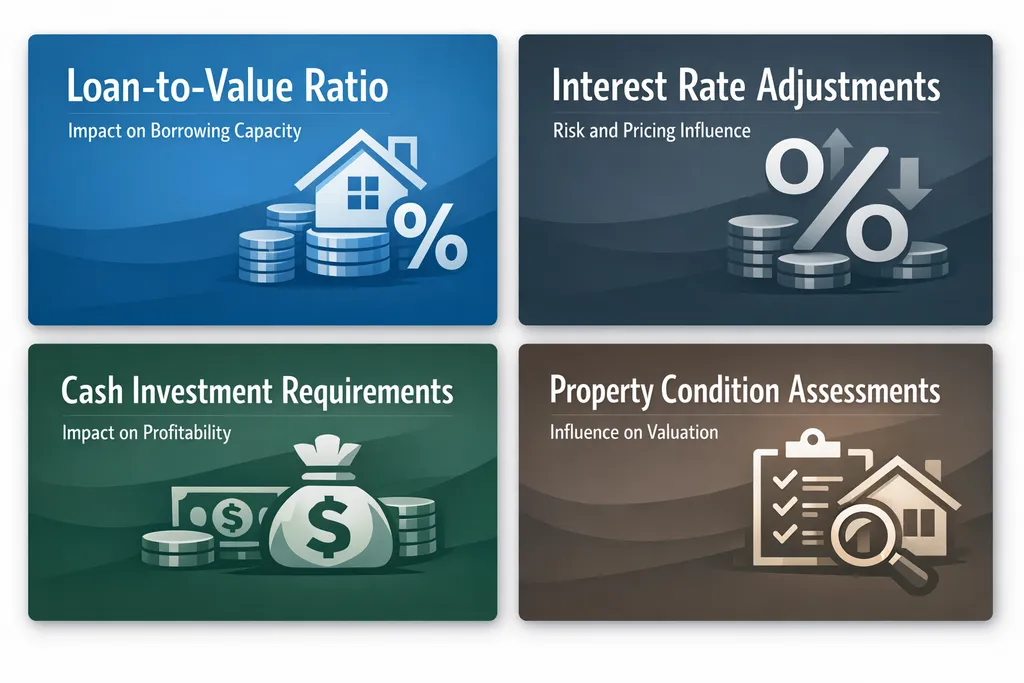
Loan-to-Value Ratio Calculations: Appraisal values establish the foundation for LTV calculations, with lower appraisals reducing your maximum borrowing capacity and potentially requiring larger down payments from investors.
Interest Rate Adjustments: Lenders often adjust interest rates based on appraisal outcomes, as lower property values may indicate higher risk and result in less favorable pricing for your loan.
Loan Amount Limitations: The final loan amount cannot exceed the percentage of appraised value specified in your loan program, meaning conservative appraisals directly reduce your available financing.
Cash Investment Requirements: When appraisals fall short of purchase prices, investors must typically make up the difference with additional cash, impacting overall deal profitability and cash flow projections.
How Rent Comps Shape DSCR Loan Approval Decisions
Rent comps shape DSCR loan approval decisions by providing the rental income foundation that lenders use to calculate debt service coverage ratios. Unlike traditional loans that focus primarily on borrower income, DSCR loans rely heavily on the property's income-generating potential.
Income Verification Standards: Appraisers analyze comparable rental properties to establish market rent levels, which directly influence the debt service coverage calculations that determine loan eligibility and terms.
Market Rent Assessments: Strong rent comps from similar properties in the area can support higher rental income projections, improving your DSCR and potentially securing better DSCR loan terms or approval.
Geographic Comparison Analysis: Appraisers typically focus on rental comparables within a specific radius, making local market knowledge and recent rent data crucial for accurate income projections.
Property Feature Adjustments: Rent comps help appraisers adjust for differences in property features, condition, and amenities, ensuring that rental income estimates reflect your specific investment property's earning potential.
Critical Approval Impact Factors During Value Determination
Critical approval impact factors during value determination can significantly influence whether your DSCR loan gets approved and under what conditions. Understanding these factors helps investors prepare their properties and documentation appropriately.
Property Condition Assessments: Appraisers evaluate property condition extensively, as deferred maintenance or structural issues can reduce both property value and rental income potential, affecting loan approval.
Comparable Sales Analysis: Recent sales of similar investment properties in the area provide the baseline for property valuation, with limited or outdated comparables potentially leading to conservative appraisals.
Market Timing Considerations: Current market conditions and trends influence appraisal outcomes, as appraisers must consider whether property values are appreciating, stable, or declining in your target area.
Zoning and Use Restrictions: Property zoning, rental restrictions, and local regulations can impact both current value and future income potential, factors that appraisers must weigh in their final assessments.
Strategic Responses to Low Appraisal Challenges
Strategic responses to low appraisal challenges can help investors salvage deals and maintain their investment momentum when property valuations fall short of expectations. Taking quick, informed action often makes the difference between deal success and failure.
Appraisal Review Requests: Investors can formally request appraisal reviews when they believe errors or oversights occurred, providing additional comparable sales or rental data to support higher valuations.
Additional Comparable Evidence: Submitting recent sales or rental comparables that the appraiser may have missed can strengthen your case for a higher valuation, particularly in rapidly changing markets.
Property Improvement Strategies: Making strategic property improvements before appraisal can increase both property value and rental income potential, though timing and cost considerations are crucial.
Negotiation Alternatives: Working with sellers to adjust purchase prices or terms can help bridge appraisal gaps while maintaining deal economics and investment returns.
Best Practices for Maximizing Your DSCR Loan Success
Best practices for maximizing your DSCR loan success focus on preparation, documentation, and proactive communication throughout the appraisal process. These steps can help ensure accurate valuations and optimal financing outcomes.
Prepare Comprehensive Property Documentation: Gather detailed information about recent improvements, rental history, and comparable properties before the appraisal to help ensure accurate valuation and income assessments.
Research Local Market Conditions: Understand current rental rates and property values in your target area so you can identify potential appraisal issues early and provide supporting documentation when needed.
Maintain Properties in Excellent Condition: Ensure properties are well-maintained and presentable during appraisal visits, as property condition significantly influences both value and rental income potential in appraiser assessments.
Build Relationships with Experienced Lenders: Work with lenders who understand investment property appraisals and can guide you through potential challenges while advocating for accurate valuations.
Monitor Appraisal Progress Actively: Stay engaged throughout the appraisal process and be prepared to provide additional information or request reviews if initial results don't reflect market conditions accurately.
Automated Valuation Models: Accuracy Considerations for DSCR Financing
Automated Valuation Models (AVMs) are increasingly used alongside or instead of full appraisals, but investors should understand their limitations. AVMs offer speed and efficiency, yet industry analysis suggests they can produce inconsistent results in certain conditions.
Warning signs of unreliable AVM results: Significant gaps between an AVM value and recent comparable sales, properties in markets with limited recent sales data, unique architectural features, or transitional neighborhoods where historical data lags current conditions.
Due diligence steps: Cross-reference AVM output with broker price opinions or comparative market analyses, review the AVM's underlying data sources, and consider market-specific factors an algorithm might miss, such as upcoming development or zoning changes.
Alternatives to consider: Licensed appraisers experienced with investment properties, broker price opinions, and desktop or drive-by appraisals that pair automated data with professional judgment.
Because DSCR underwriting depends on accurate property and rental income values, investors are wise to treat AVM output as one data point rather than the sole basis for financing decisions, especially in markets or property types where valuation errors are more likely.
Understanding how appraisal affects DSCR loan success empowers real estate investors to navigate the financing process more effectively and secure better terms for their investment properties. From value determination to rent comps analysis, each aspect of the appraisal process plays a crucial role in your loan approval and terms.
Successful investors recognize that appraisals are not just hurdles to overcome but opportunities to demonstrate their properties' true value and income potential. By preparing thoroughly, maintaining properties properly, and responding strategically to challenges, you can maximize your chances of securing favorable DSCR loan terms.
The key to long-term success lies in building relationships with experienced lenders who understand investment property financing and working proactively to present your properties in the best possible light throughout the appraisal process.