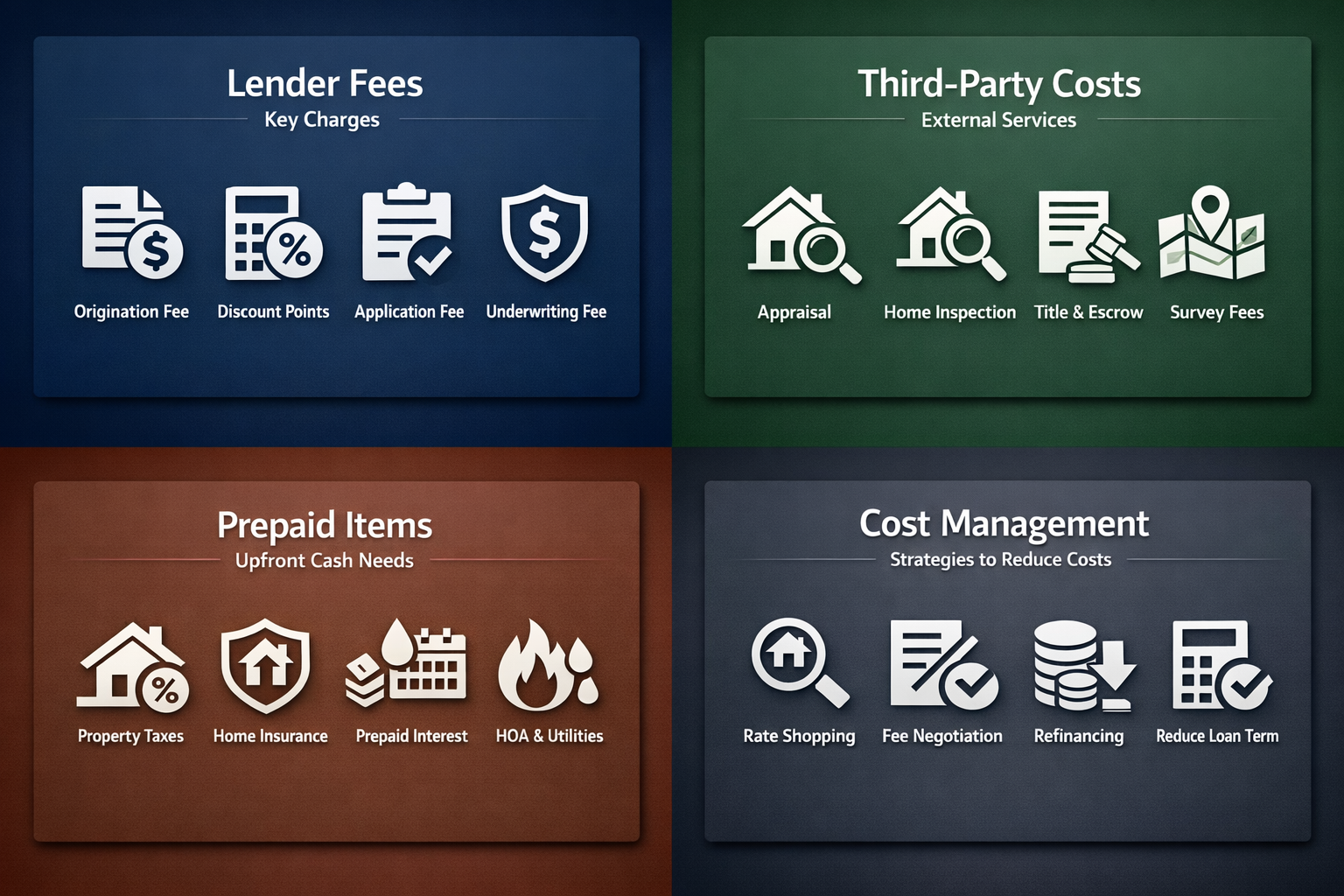
When you're considering a DSCR refinance, understanding the closing costs upfront can make or break your investment strategy. These expenses often catch investors off guard, potentially eating into profits and disrupting cash flow projections. DSCR refinance closing costs typically include various fees, points, and escrow setup charges that can vary significantly between lenders.
Smart investors know that managing these costs effectively isn't just about finding the lowest fees. It's about understanding what you're paying for and how each expense impacts your overall return on investment. From appraisal fees to title insurance, every component of your closing costs deserves careful consideration.
Let's break down the essential closing costs you'll encounter during a DSCR refinance and explore strategies to minimize their impact on your bottom line.
Common Questions About DSCR Refinance Expenses
Many investors have similar concerns when approaching their first DSCR refinance. Here are the most frequently asked questions about closing costs:
Q:How much should I expect to pay in DSCR refinance closing costs?
Closing costs for DSCR refinances typically range from 2% to 5% of the loan amount. The exact percentage depends on your lender, loan size, and specific property details. Larger loan amounts might see lower percentage costs due to economies of scale.
Q:Can I roll closing costs into my DSCR refinance loan?
Many lenders allow you to finance closing costs into your new loan balance, though this increases your total debt and monthly payments. This option can preserve cash flow but may impact your debt service coverage ratio calculations.
Q:Are DSCR refinance closing costs different from traditional mortgage closing costs?
While many fees are similar, DSCR loans often involve additional underwriting costs and may require specialized appraisals for investment properties, potentially increasing overall expenses compared to owner-occupied refinances.
Primary Lender Fees and Points
Points and fees represent some of the most significant components of your DSCR refinance closing costs. Understanding these charges helps you negotiate better terms and compare offers effectively.
Origination Points: Most lenders charge between 0.5% to 2% of the loan amount as origination fees. These points compensate the lender for processing and underwriting your DSCR refinance application.
Discount Points: You might choose to pay additional points upfront to secure a lower interest rate. Each discount point typically costs 1% of the loan amount and may reduce your rate by 0.125% to 0.25%.
Underwriting Fees: DSCR loans often require specialized underwriting that focuses on property cash flow rather than personal income. These fees typically range from $400 to $800.
Processing Fees: Administrative costs for handling your loan application and documentation usually fall between $300 and $600, depending on the lender's fee structure.
Third-Party Service Costs
Beyond lender fees, your DSCR refinance closing costs will include various third-party services required to complete the transaction. These costs are often non-negotiable but can vary by provider.
Appraisal Fees: Investment property appraisals typically cost between $500 and $1,000, depending on property type and location. Some lenders may require specialized commercial appraisals for larger properties.
Title Insurance and Search: Title services protect against ownership disputes and typically cost 0.5% to 1% of the loan amount, including both lender's and owner's policies.
Attorney or Settlement Fees: Legal representation or settlement services usually range from $500 to $1,500, varying by state requirements and transaction complexity.
Property Survey: If required, property surveys can cost $300 to $800, though many refinances can use existing surveys if they're recent and acceptable to the lender.
Prepaid Items and Escrow Requirements
Prepaid items represent cash you'll need at closing to establish reserves for ongoing property expenses. While these aren't fees per se, they're part of your upfront cash requirements.
Property Insurance: You'll need to prepay your annual property insurance premium, which can range from $1,000 to $5,000 or more depending on property value and location risks.
Property Tax Reserves: Lenders typically require 2-6 months of property taxes in escrow at closing, ensuring funds are available for upcoming tax payments.
Interest Prepayment: You'll pay prorated interest from your closing date to the end of that month, which varies based on when you close during the month.
Escrow Setup Fees: Many lenders charge $50 to $200 to establish your escrow account for managing property taxes and insurance payments throughout the loan term.
Step-by-Step Cost Management Strategy
Managing your DSCR refinance closing costs requires a systematic approach to minimize expenses while ensuring you get the financing you need.
Shop Multiple Lenders: Request loan estimates from at least three DSCR lenders to compare not just rates, but also closing costs and fee structures. Pay attention to both origination points and third-party fee estimates.
Negotiate Lender Credits: Some lenders offer credits toward closing costs in exchange for slightly higher interest rates. Calculate whether this trade-off makes sense for your investment timeline and cash flow needs.
Time Your Closing Strategically: Closing near the end of the month reduces prepaid interest costs, while closing early in the tax cycle can minimize property tax prepayments required at settlement.
Review Fee Estimates Carefully: Compare your initial loan estimate with the final closing disclosure to catch any unexpected fee increases. You have the right to question significant changes before closing.
Consider Cash-Out Benefits: If you're doing a cash-out refinance, the additional funds might offset closing costs by providing capital for additional investments or property improvements.
Advanced Strategies for Cost Optimization
Experienced investors often employ sophisticated techniques to minimize the impact of closing costs on their overall investment property returns.
Portfolio Refinancing: If you own multiple investment properties, some lenders offer reduced fees for refinancing multiple properties simultaneously. This bulk approach can lower per-property costs significantly.
Relationship Banking Benefits: Establishing relationships with investor-focused lenders might lead to reduced fees on future transactions. Long-term partnerships often result in preferential pricing and streamlined processes.
Market Timing Considerations: Refinancing during periods of declining interest rates might justify higher closing costs due to long-term savings. Conversely, rising rate environments might call for minimal-cost refinancing strategies.
Break-Even Analysis: Calculate how long it takes for monthly payment savings to offset your closing costs. This break-even period helps determine whether refinancing makes financial sense for your investment timeline.
Understanding DSCR refinance closing costs puts you in control of your investment property financing decisions. While these expenses are inevitable, smart planning and strategic shopping can minimize their impact on your returns.
Remember that the lowest closing costs don't always translate to the best deal. Focus on the total cost of your financing over time, including how closing costs affect your cash-on-cash returns and overall investment strategy.
At Trulo Mortgage, we specialize in helping investors navigate DSCR refinancing with transparent fee structures and competitive rates. Our team understands that every dollar in closing costs matters to your bottom line, and we work to provide clear estimates and minimize surprises at closing.
Ready to explore your DSCR refinance options? Contact our investor-focused lending specialists to discuss how we can help optimize your closing costs while securing the financing terms your investment portfolio deserves.