DSCR Loan for Rental Property in Texas: A Complete Investor's Guide
Texas real estate investors face unique challenges when securing financing for rental properties. A DSCR loan for rental property in Texas provides an alternative path that focuses on property cash flow rather than personal income verification. This financing approach might offer strategic advantages for investors looking to scale their portfolios in the Lone Star State.
Understanding how debt service coverage ratio loans work in Texas requires knowledge of state-specific factors like property taxes and insurance requirements. These elements can significantly impact your loan qualification and investment returns, making it essential to approach DSCR financing with a clear strategy tailored to Texas market conditions.
Essential Qualification Requirements for Texas DSCR Loans
Essential qualification requirements for Texas DSCR loans typically differ from traditional mortgage criteria. Instead of focusing on your personal income, lenders evaluate the rental property's ability to generate sufficient cash flow to cover debt payments.
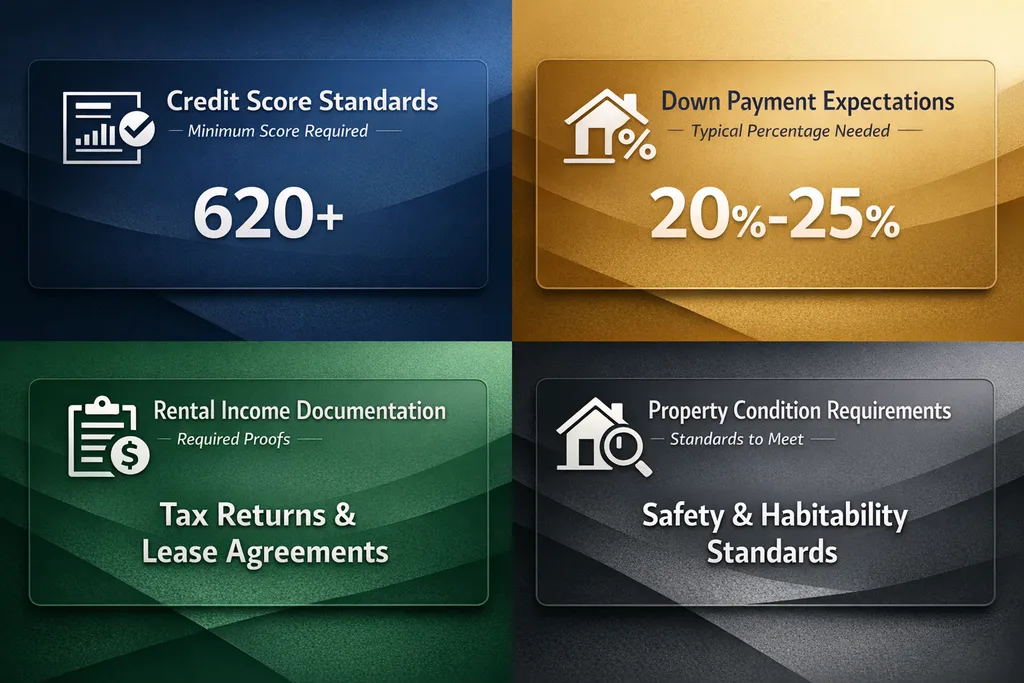
Credit Score Standards: Most lenders may require a minimum credit score between 620-680, though some might accept lower scores with compensating factors like higher down payments or stronger property cash flow.
Down Payment Expectations: Investors often need to provide 20-25% down payment for DSCR loans, though this can vary based on property type and loan-to-value ratios acceptable to the lender.
Rental Income Documentation: Lenders typically require lease agreements, rent rolls, or professional appraisals that include market rent analysis to verify the property's income potential.
Property Condition Requirements: The rental property must generally be in good condition and meet habitability standards, as lenders want assurance that rental income will remain stable.
How Texas Property Taxes Impact DSCR Calculations
How Texas property taxes impact DSCR calculations becomes crucial for investors since the state has some of the highest property tax rates in the nation. These taxes directly affect the debt service coverage ratio by increasing monthly expenses that must be covered by rental income.
Higher Monthly Payments: Texas property taxes can significantly increase the total monthly payment used in DSCR calculations, potentially making it harder to achieve the required 1.0 to 1.25 ratio that lenders typically seek.
Regional Tax Variations: Different counties and municipalities across Texas may have varying tax rates, which could influence property selection strategies for investors seeking optimal DSCR loan terms.
Annual Tax Increases: Property tax assessments in Texas might increase over time, affecting long-term cash flow projections and the property's ongoing debt service coverage capacity.
Homestead Exemption Limitations: Since Texas rental properties don't qualify for homestead exemptions, investors face the full property tax burden when calculating their debt service coverage ratios.
Insurance Requirements and Cost Considerations
Insurance requirements and cost considerations play a significant role in DSCR loan approval and ongoing property profitability in Texas. The state's exposure to natural disasters and weather events can drive insurance costs higher than many other markets.
Minimum Coverage Standards: Lenders typically require comprehensive property insurance that covers the full replacement cost of the structure, plus liability coverage to protect against tenant-related incidents.
Flood Insurance Needs: Properties in flood-prone areas of Texas may require separate flood insurance policies, which add to monthly expenses and affect DSCR calculations.
Wind and Hail Coverage: Texas properties often need specific coverage for wind and hail damage, particularly in areas prone to severe weather events, which can increase insurance premiums substantially.
Annual Premium Impact: High insurance costs in Texas might reduce net operating income, making it more challenging to maintain favorable debt service coverage ratios over time.
Cash Flow Optimization Strategies for Texas Investors
Cash flow strategies for Texas investors become essential when pursuing DSCR loan approval and long-term investment success. Since these loans focus on property performance rather than personal income, maximizing rental income while controlling expenses directly impacts financing availability.
Market Rent Analysis: Conducting thorough rent comparables in your specific Texas market can help ensure you're charging competitive rates that support strong DSCR ratios while remaining attractive to quality tenants.
Expense Management: Carefully tracking and controlling property-related expenses like maintenance, management fees, and utilities can improve net operating income and strengthen debt service coverage calculations.
Property Improvements: Strategic upgrades that increase rental income or reduce ongoing expenses might improve the property's DSCR performance, though investors should weigh improvement costs against potential rental increases.
Professional Management: Working with experienced property management companies familiar with Texas rental markets could help optimize tenant retention and rental income consistency.
Pros and Cons of DSCR Financing in Texas
Pros and cons of DSCR financing in Texas require careful evaluation as investors weigh this funding option against traditional mortgage products and Texas-specific market conditions. Understanding both advantages and potential drawbacks helps in making informed investment decisions.
Primary Advantages: DSCR loans may offer faster approval processes since they don't require extensive personal income verification, potentially allowing investors to scale their portfolios more quickly in competitive Texas markets.
Flexibility Benefits: These loans might accommodate investors with complex income structures or those who prefer to keep personal finances separate from investment property financing decisions.
Potential Drawbacks: Interest rates on DSCR loans could be higher than traditional mortgages, and the focus on property cash flow means that properties with marginal rental income might not qualify.
Texas-Specific Challenges: High property taxes and insurance costs in Texas can make it more difficult to achieve required DSCR ratios, particularly in markets with slower rent growth or higher operational expenses.
A DSCR loan for rental property in Texas offers real estate investors an alternative financing path that aligns loan approval with property performance rather than personal income verification. Success with this financing option typically depends on understanding Texas-specific factors like property taxes, insurance costs, and local rental market conditions that directly impact debt service coverage ratios.
Investors who can navigate the state's higher property taxes and insurance requirements while maintaining strong rental income may find DSCR loans provide the flexibility needed to scale their Texas real estate portfolios. However, careful cash flow analysis and realistic projections remain essential for long-term success with this financing approach.
Consider consulting with experienced lenders familiar with Texas DSCR loan requirements to determine if this financing strategy aligns with your investment goals and property acquisition plans in the current market.