When evaluating investment properties for DSCR financing, property condition often becomes the deciding factor between loan approval and rejection. Real estate investors need to understand that DSCR loan property condition requirements go beyond basic habitability, extending into specific safety and structural standards that lenders use to protect their investment.
The condition of your investment property directly impacts not only loan approval but also the terms you'll receive. Properties that meet or exceed lender standards typically qualify for better rates and smoother processing, while those requiring significant repairs may face additional hurdles or outright denial.
This comprehensive guide breaks down the essential property condition requirements for DSCR loans, helping you evaluate potential investments and prepare existing properties for financing.
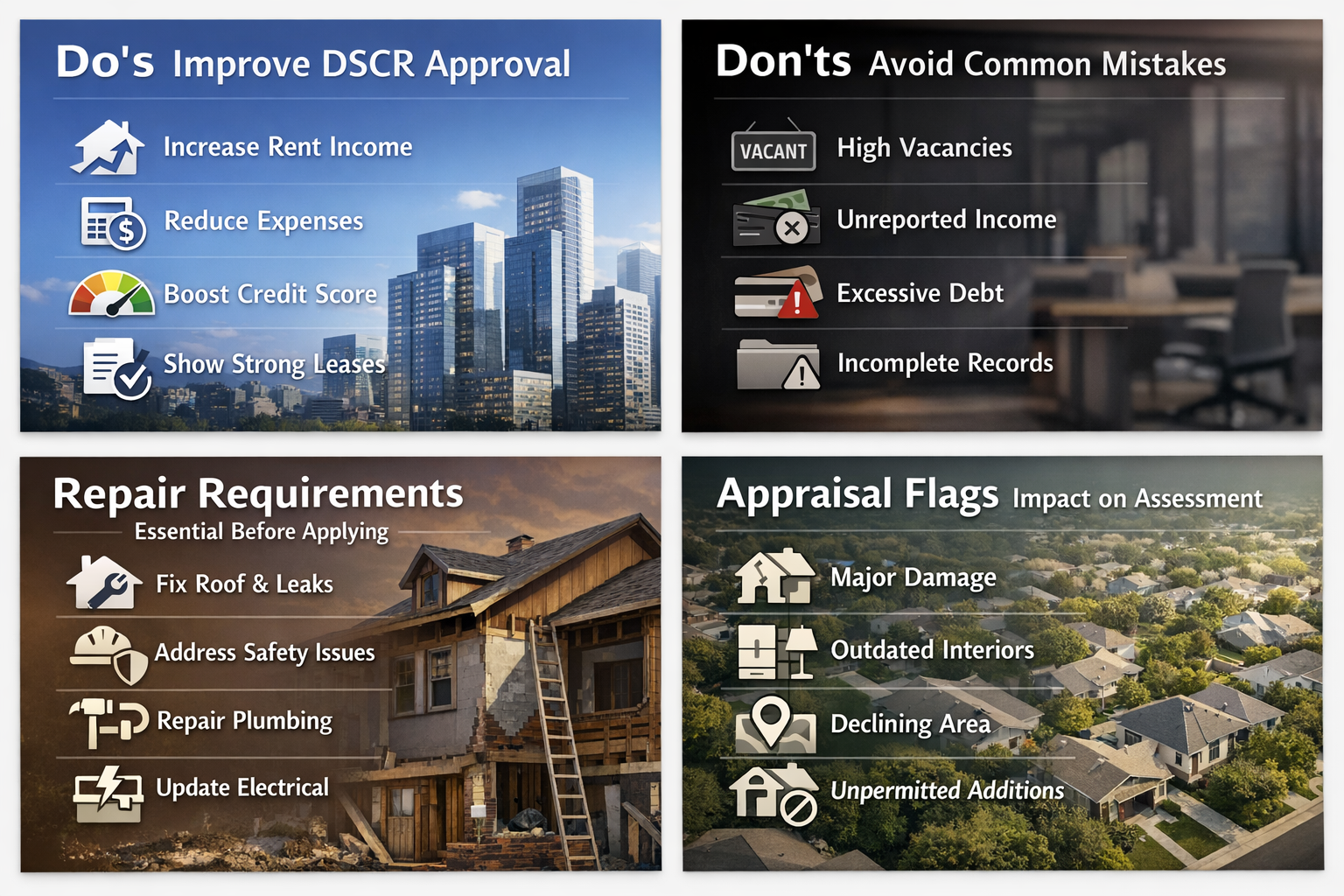
Property Condition Do's for DSCR Loan Approval
Following these property condition do's can significantly improve your chances of DSCR loan approval and help secure better terms for your investment property financing.
Ensure properties meet safe, sound, and secure standards before applying, as lenders typically require investment properties to demonstrate structural integrity and basic safety compliance
Complete necessary repairs that affect habitability such as functional plumbing, electrical systems, and HVAC units, since these systems directly impact rental potential
Obtain detailed property appraisals with rental income analysis to demonstrate both current condition and income-generating potential to underwriters
Document all recent improvements and maintenance to show the property's investment-grade condition and justify rental projections
Property Condition Don'ts That Could Derail Your Loan
Avoiding these common property condition mistakes helps prevent delays and rejections in your DSCR loan application process.
Don't ignore obvious safety hazards like exposed wiring, structural damage, or code violations that could trigger appraisal flags and automatic loan denial
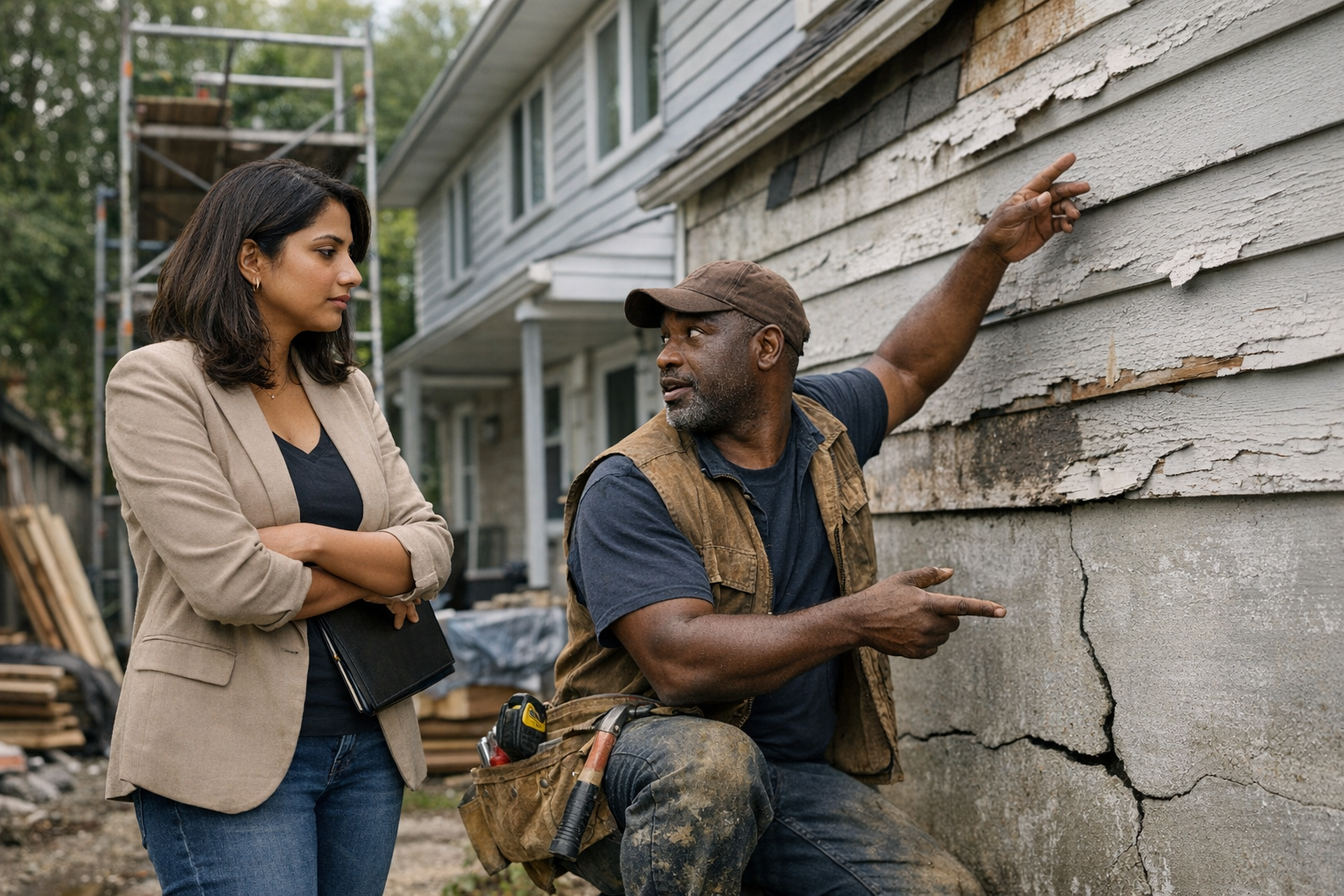
Don't assume cosmetic issues won't matter because extensive cosmetic damage may signal underlying maintenance problems to lenders and appraisers
Don't apply for financing on properties requiring major systems replacement without addressing these issues first, as non-functional core systems typically disqualify properties
Don't overlook local habitability standards since DSCR lenders often require compliance with municipal rental property codes and regulations
Essential Repair Requirements Before Applying
These repair requirements typically need completion before DSCR loan approval, as they directly impact the property's ability to generate rental income.
Structural and Safety Systems: Address any foundation issues, roof leaks, or structural defects that could affect property stability and tenant safety, as these problems often trigger immediate loan denial.
Core Mechanical Systems: Ensure all plumbing, electrical, and HVAC systems function properly and meet local codes, since non-functional systems prevent rental occupancy and income generation.
Habitability Compliance: Complete repairs needed for basic habitability such as functional bathrooms, adequate heating, and safe entry/exit points that meet local rental standards.
Code Violation Resolution: Resolve any outstanding building code violations or permit issues that could prevent legal rental operation and affect the property's investment viability.
Security and Access Features: Install proper locks, lighting, and access controls that meet basic security standards expected for rental properties in your market area.
How Appraisal Flags Affect Property Condition Assessment
Understanding potential appraisal flags helps investors prepare properties and avoid surprises during the DSCR loan underwriting process.
Structural Red Flags: Appraisers may flag foundation cracks, roof damage, or settling issues that suggest expensive future repairs and reduced property value over time.
Safety and Code Compliance Issues: Properties with obvious code violations, safety hazards, or unpermitted work often receive appraisal flags that can halt loan processing until resolution.
Deferred Maintenance Concerns: Extensive deferred maintenance across multiple systems may signal higher risk to lenders, even if individual items don't disqualify the property outright.
Rental Market Standards: Properties that fall below typical rental standards for the local market may receive flags affecting both value assessment and rental income projections.
Investment Property Standards vs Primary Residence Requirements
DSCR loan property condition standards for investment properties often differ from primary residence requirements, reflecting the unique challenges of rental property financing.
Enhanced Durability Expectations: Investment properties may need to demonstrate higher durability standards since they'll experience tenant turnover and potentially heavier use than owner-occupied homes.
Rental Market Competitiveness: Properties must meet condition standards that allow them to compete effectively in local rental markets and achieve projected rental rates used in DSCR calculations.
Maintenance Accessibility: Lenders may require that major systems and components be easily accessible for maintenance and repairs, recognizing the challenges of managing rental properties remotely.
Multiple Unit Considerations: Multi-unit investment properties often face stricter condition requirements since problems in one unit can affect the entire property's income potential and tenant retention.
Successfully navigating DSCR loan property condition requirements requires thorough preparation and realistic assessment of your investment properties. The safe, sound, and secure standards that lenders typically expect aren't just bureaucratic hurdles but practical measures that protect both lender and investor interests.
Properties that meet these condition standards from the start generally experience faster approval times and better loan terms. More importantly, they're positioned to generate the consistent rental income that makes DSCR financing worthwhile for long-term investment success.
Before pursuing DSCR financing, conduct honest assessments of your properties' condition and address any issues that could trigger appraisal flags or underwriting concerns. This upfront investment in property preparation typically pays dividends through smoother loan processing and stronger investment performance over time.