DSCR Loan for Duplex: The Investor's Guide to 2-Unit Property Financing
When it comes to financing duplex properties, traditional mortgages often fall short for real estate investors. A DSCR loan for duplex properties offers a compelling alternative by focusing on the property's cash flow rather than your personal income. This financing approach allows investors to qualify based on rental income potential, making it easier to expand your portfolio with 2 unit rental financing.
Understanding how DSCR loans work for duplexes can unlock new investment opportunities. Unlike conventional mortgages that scrutinize your W-2 income, these loans evaluate the property's ability to generate sufficient rental income to cover its debt payments. This shift in qualification criteria opens doors for investors who might otherwise struggle with traditional financing requirements.
Essential DSCR Loan Requirements for Duplex Properties
DSCR loan requirements for duplex properties focus heavily on the property's financial performance rather than traditional income documentation. Here are the key qualification tips every duplex investor should understand:
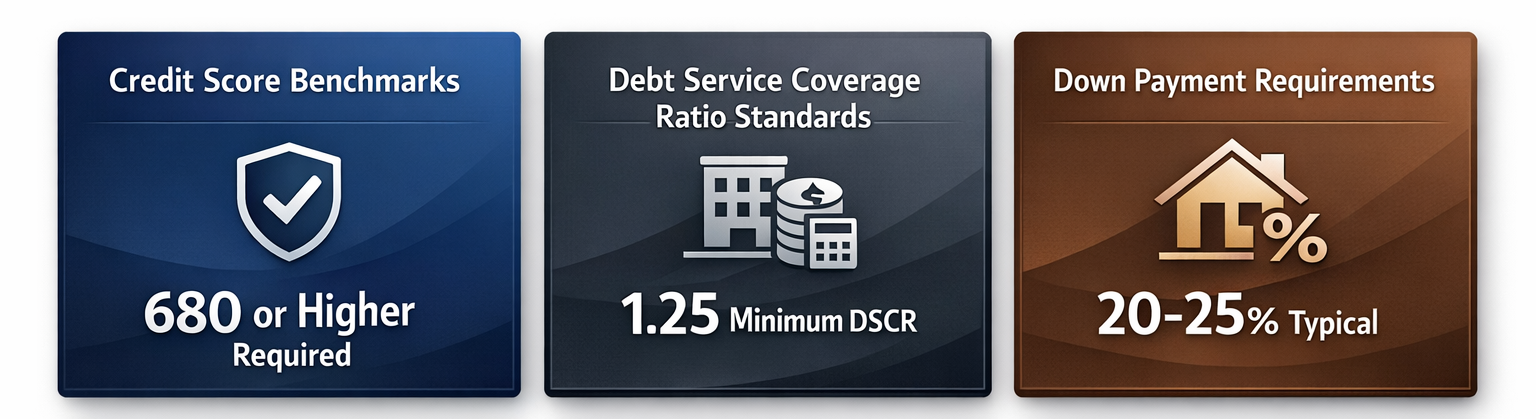
Credit Score Benchmarks: Most lenders typically require a credit score around 680 or higher for DSCR loans. This threshold helps ensure borrowers have demonstrated financial responsibility and reduces lender risk.
Debt Service Coverage Ratio Standards: A DSCR of 1.25 or higher is often vital for securing more favorable loan terms. This means the property's rental income should exceed its debt payments by at least 25%, providing a cushion for vacancy and maintenance costs.
Down Payment Requirements:DSCR loans for duplexes commonly require higher down payments compared to owner-occupied properties. Investors should typically prepare for 20-25% down payment requirements, though terms may vary based on the specific lender and market conditions.
How Rent Roll Review Impacts Your DSCR Loan Application
The rent roll review process plays a crucial role in DSCR loan underwriting for duplex properties. Lenders carefully analyze rental income documentation to determine the property's cash flow potential:
Current Lease Documentation: Lenders examine existing lease agreements to verify rental rates and terms. For occupied units, this provides concrete evidence of income generation that supports the loan application.
Market Rent Analysis: When units are vacant or below market rates, lenders may conduct market rent studies. This analysis helps establish realistic rental income projections for the DSCR calculation.
Rental History Evaluation: Properties with consistent rental history often receive more favorable consideration. Lenders appreciate seeing stable occupancy rates and reliable rent collection patterns that demonstrate the property's income stability.
Property Cash Flow Analysis for Duplex DSCR Loans
Property cash flow analysis forms the foundation of DSCR loan qualification for duplex investments. Understanding how lenders evaluate cash flow can help investors prepare stronger applications:
Gross Rental Income Assessment: Lenders calculate total potential rental income from both units in the duplex. This figure serves as the starting point for determining the property's debt service coverage capability.
Operating Expense Considerations: While DSCR loans focus primarily on rental income, some lenders may factor in basic operating expenses like property taxes, insurance, and maintenance reserves. This approach provides a more realistic picture of the property's net operating income.
Vacancy Factor Application: Many lenders apply a vacancy factor to rental income projections, typically ranging from 5-10%. This conservative approach accounts for potential periods when units might be unoccupied, ensuring the loan remains sustainable even during temporary vacancies.
Top Strategies to Qualify for DSCR Duplex Financing
Qualifying for DSCR duplex financing requires strategic preparation and attention to key financial metrics. Here are proven approaches to strengthen your application:
Optimize Your Credit Profile: Focus on achieving a credit score of 680 or higher before applying. Pay down existing debts, avoid new credit inquiries, and ensure all accounts remain current to demonstrate financial responsibility.
Target High Cash Flow Properties: Look for duplexes in markets with strong rent-to-price ratios. Properties that generate higher rental income relative to their purchase price will more easily meet DSCR requirements and qualify for better terms.
Prepare Comprehensive Documentation: Gather detailed rental income documentation including current leases, rent rolls, and market analysis. Well-organized financial documentation helps lenders quickly assess the property's income potential and expedite the approval process.
Consider Market Location Impact: Target markets with favorable rental demand and price appreciation potential. Strong local rental markets provide better cash flow opportunities and reduce lender concerns about future property performance.
Current DSCR Loan Rates and Market Trends
Understanding current DSCR loan rates helps investors make informed financing decisions for duplex properties. Rate trends can significantly impact investment returns and cash flow projections:
Rate Comparison with Conventional Loans: DSCR loan rates may differ from conventional mortgage rates due to their specialized nature. Investors should compare multiple lenders to find competitive rates that align with their investment strategy and property cash flow requirements.
Factors Affecting Your Rate: Credit score, down payment amount, and property location all influence the interest rate you'll receive. Higher credit scores and larger down payments typically result in more favorable rates that improve overall investment returns.
Market Timing Considerations: Stay informed about DSCR loan rate trends to optimize financing costs for your rental property investments. Rate fluctuations can affect the profitability of potential deals and influence acquisition timing decisions.
Regional Market Variations: Different geographic markets may offer varying rate structures based on local economic conditions and lender competition. Research regional lenders who specialize in investment property financing for potentially better terms.
Common Mistakes to Avoid with DSCR Duplex Loans
Avoiding common pitfalls can save time and increase your chances of DSCR loan approval for duplex properties. Here are key mistakes investors should sidestep:
Underestimating Operating Expenses: Don't focus solely on rental income without considering property taxes, insurance, and maintenance costs. Lenders appreciate borrowers who demonstrate realistic understanding of property operating expenses and cash flow dynamics.
Insufficient Market Research: Failing to research local rental markets can lead to unrealistic income projections. Conduct thorough market analysis to ensure rental estimates align with actual market conditions and support your DSCR calculations.
Poor Documentation Organization: Incomplete or disorganized financial documentation can delay approval or result in rejection. Prepare comprehensive rent rolls, lease agreements, and property financial statements before starting the application process.
Ignoring Property Condition Issues: Properties requiring significant repairs may not qualify for DSCR loans or may receive reduced valuations. Ensure the duplex is in good condition and address any major maintenance issues before applying for financing.
A DSCR loan for duplex properties represents a powerful financing tool for real estate investors focused on cash flow generation. By understanding the qualification requirements, preparing thorough documentation, and targeting properties with strong rental income potential, investors can successfully leverage these loans to expand their portfolios.
The key to success lies in focusing on properties that generate sufficient cash flow to meet DSCR requirements while building your credit profile to secure favorable terms. With proper preparation and market research, DSCR loans can unlock duplex investment opportunities that might otherwise remain out of reach through traditional financing channels.