Understanding DSCR Loan Flood Zone Rules for Investment Properties
Real estate investors pursuing DSCR loans often encounter additional complexities when properties fall within flood zones. These DSCR loan flood zone rules can significantly impact both the approval process and the overall cost structure of your investment deal. Unlike traditional mortgage products, DSCR loans focus on the property's cash flow rather than personal income, but flood zone considerations still play a crucial role in lender decision-making.
When a property sits in a flood-prone area, lenders typically require comprehensive flood insurance coverage to protect their investment. This requirement isn't just a suggestion, it's often a non-negotiable condition that can alter your projected returns and cash flow calculations. Understanding these rules upfront helps investors make informed decisions and avoid surprises during the underwriting process.
Essential Flood Zone Requirements for DSCR Loans
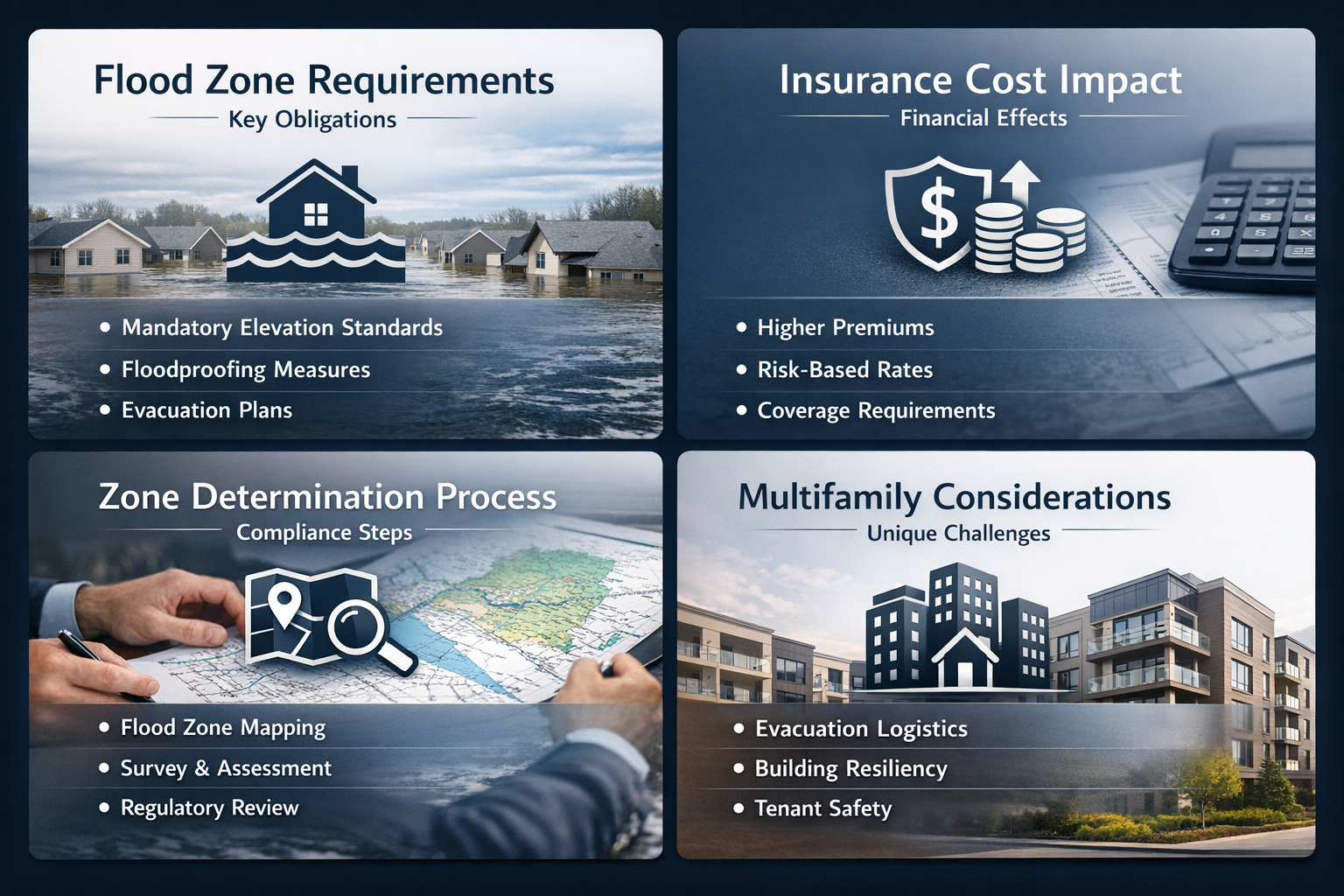
Essential flood zone requirements for DSCR loans create specific obligations that investors must meet before closing. These requirements often extend beyond standard property insurance and can impact your loan terms significantly.
Mandatory flood insurance coverage for properties located in designated flood zones, which lenders typically require as a condition of loan approval
Professional flood zone determination conducted during the due diligence period to establish the property's risk level and insurance requirements
Adequate coverage limits that meet or exceed the loan amount or the property's replacement value, whichever the lender deems appropriate
Continuous policy maintenance throughout the loan term, with proof of renewal required annually to maintain compliance
How Flood Insurance Impacts Investment Cash Flow
How flood insurance impacts investment cash flow becomes a critical factor in determining whether a DSCR loan deal makes financial sense. The additional insurance costs can substantially affect your debt service coverage ratio calculations.
Higher monthly insurance premiums that may range from hundreds to thousands of dollars annually, depending on the flood risk level
Reduced net operating income due to increased operating expenses, which directly affects your property's DSCR ratio
Potential rental rate adjustments needed to maintain profitability margins while covering the additional insurance costs
Long-term budget considerations for premium increases over time, as flood insurance rates may fluctuate based on updated risk assessments
Zone Determination Process and Documentation
Zone determination process and documentation requirements form the foundation of flood zone compliance for DSCR loans. Lenders typically order professional assessments to establish the property's exact flood risk classification.
FEMA flood map review to identify the property's designated flood zone classification and associated risk level
Professional surveyor assessment that may be required if the property's location relative to flood zones appears unclear on standard maps
Elevation certificate procurement for properties in certain flood zones to determine appropriate insurance rates and coverage requirements
Lender verification process where the mortgage company confirms all flood-related documentation meets their underwriting standards
Multifamily Property Flood Zone Considerations
Multifamily property flood zone considerations present unique challenges for DSCR loan investors due to the increased complexity and potential cost exposure of larger residential buildings.
Higher coverage amounts required for multifamily properties, which typically need insurance limits that reflect the building's full replacement value
Tenant impact assessment considering how flood risk disclosure might affect occupancy rates and rental market positioning
Common area protection requirements that extend beyond individual units to include shared spaces, parking areas, and building infrastructure
Enhanced due diligence standards that lenders may apply to multifamily properties in flood zones, potentially extending the approval timeline
Steps to Secure DSCR Loan Approval in Flood Zones
Steps to secure DSCR loan approval in flood zones require careful planning and documentation to meet lender requirements while maintaining deal profitability.
Obtain flood zone determination early in your due diligence process to understand insurance requirements and factor costs into your investment analysis
Secure insurance quotes from multiple providers to establish accurate premium estimates and ensure coverage availability before proceeding with the loan application
Adjust your DSCR calculations to reflect the additional insurance costs and verify that the property still meets minimum ratio requirements
Prepare comprehensive documentation including elevation certificates, insurance quotes, and flood maps to streamline the underwriting process
Work with experienced flood insurance agents who understand investment property requirements and can help optimize coverage while managing costs
Common Pitfalls When Financing Flood Zone Properties
Common pitfalls when financing flood zone properties can derail DSCR loan applications or create unexpected financial burdens for unprepared investors.
Underestimating insurance costs during initial property analysis, leading to reduced cash flow projections that may not meet DSCR requirements
Delayed flood determination that occurs too late in the process, potentially causing closing delays or deal cancellations
Inadequate coverage selection that fails to meet lender requirements, requiring costly policy adjustments during underwriting
Ignoring future risk changes that could affect insurance rates and property values over time, impacting long-term investment returns
Making Informed Investment Decisions
Making informed investment decisions about flood zone properties requires balancing the potential risks and costs against the property's income-generating capacity. Smart investors factor flood insurance costs into their initial analysis and maintain realistic expectations about the additional complexity these properties may present during the DSCR loan process.
Understanding DSCR loan flood zone rules empowers investors to make informed decisions about properties in flood-prone areas. While flood insurance requirements add complexity and cost to your investment equation, proper planning and documentation can help you navigate these challenges successfully. Remember that flood zone properties aren't automatically disqualified from DSCR financing, but they do require additional due diligence and careful financial analysis.
Working with experienced lenders who understand flood zone requirements can streamline your approval process and help you structure deals that account for all associated costs. By factoring flood insurance expenses into your DSCR calculations from the start, you'll avoid surprises and make more accurate investment decisions that support your long-term portfolio growth.