Real estate investors know that DSCR loans can unlock significant opportunities, but they also carry unique risks that can turn promising deals into costly failures. Understanding the 10 warning signs your DSCR deal may fail could mean the difference between a successful closing and a devastating setback that drains your time, money, and momentum.
From income instability to documentation gaps, these red flags often emerge during the underwriting process when it's most expensive to pivot. Smart investors learn to spot these warning signs early, allowing them to either address the issues proactively or walk away before investing too much in a doomed deal.
The lending landscape for DSCR loans has evolved significantly, with lenders focusing more heavily on liquidity reserves, property management experience, and comprehensive documentation. This shift means investors must be more vigilant than ever about potential pitfalls that could derail their financing.
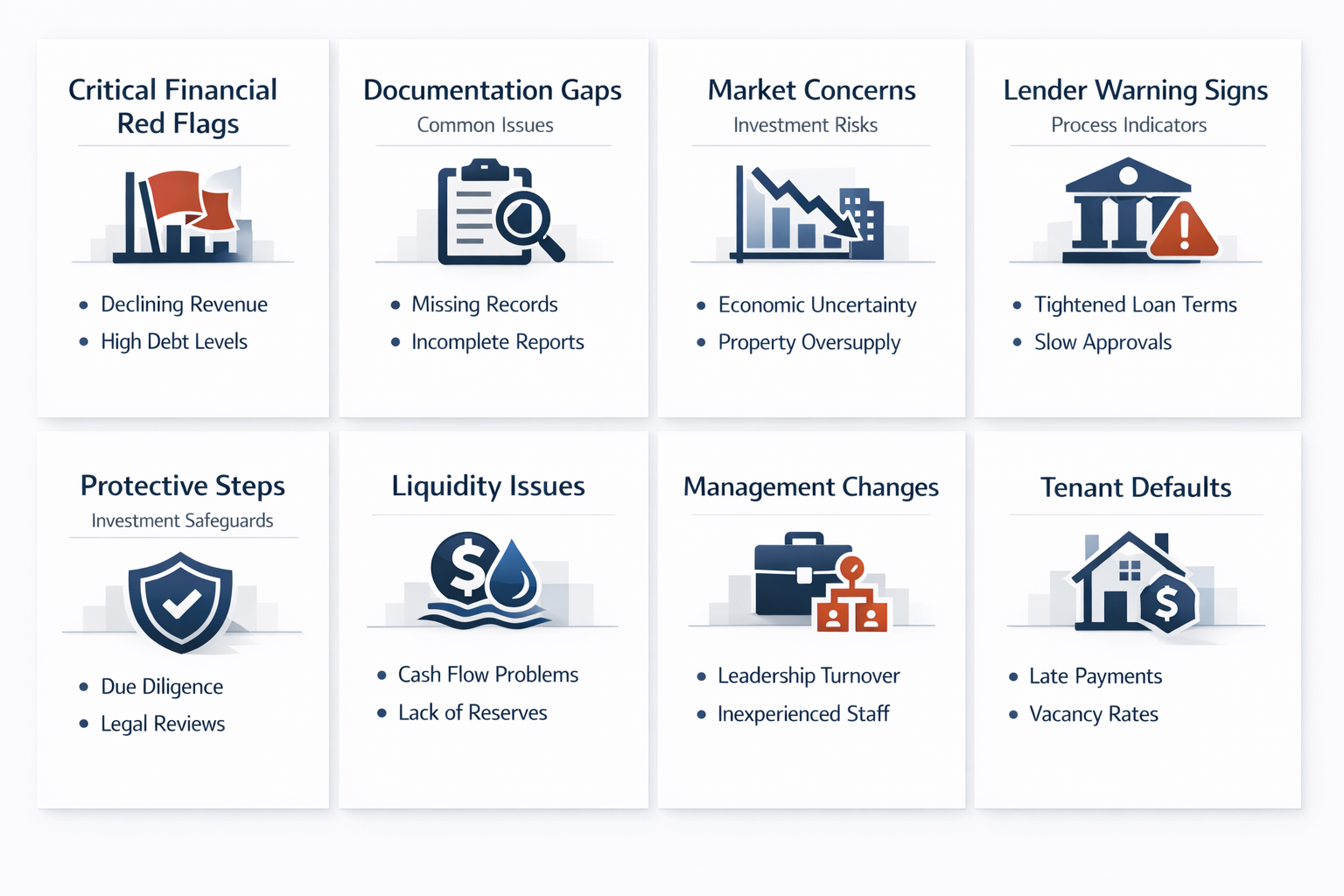
Critical Financial Red Flags
Critical financial red flags represent some of the most dangerous warning signs that your DSCR deal may fail during the underwriting process. These financial indicators often surface during initial loan reviews and can immediately disqualify otherwise promising investment opportunities.
Insufficient Debt Service Coverage Ratio: When your property's net operating income doesn't meet the minimum DSCR requirements, typically ranging from 1.0 to 1.25, lenders may view this as a primary risk factor that could lead to loan rejection.
Inadequate Liquidity Reserves: Many lenders now require substantial cash reserves equivalent to several months of mortgage payments, and insufficient reserves often trigger immediate underwriting red flags about your ability to handle vacancy periods or unexpected expenses.
Unstable Income Documentation:Income instability from your rental properties or personal finances can create significant underwriting red flags, particularly when rent rolls show frequent tenant turnover or inconsistent payment histories.
Excessive Leverage Across Portfolio: When your total debt-to-income ratio across all investment properties exceeds acceptable thresholds, lenders may question your ability to service additional debt obligations effectively.
Documentation and Paperwork Issues
Documentation gaps represent one of the most preventable yet common reasons why DSCR deals fail during the underwriting process. These paperwork issues often emerge just when you think you're approaching the finish line, creating costly delays or complete deal failures.
Incomplete Rent Roll Documentation: Missing or inconsistent rent rolls can immediately raise underwriting red flags, especially when lease agreements don't align with reported rental income figures or when tenant payment histories show significant gaps.
Property Condition Documentation Gaps: Insufficient property inspection reports, missing repair estimates, or unclear property condition assessments can trigger lender concerns about the collateral's actual value and income-generating potential.
Tax Return Inconsistencies: When your personal or business tax returns don't align with reported property income or expenses, underwriters may question the accuracy of your financial representations and delay or deny loan approval.
Missing Property Management Experience: Lenders increasingly require documentation of property management experience or professional management arrangements, and gaps in this documentation can signal potential operational risks to underwriters.
Market and Property Concerns
Market and property concerns often create unexpected obstacles that can derail even well-structured DSCR deals. These factors typically emerge during property appraisals or market analysis phases, potentially requiring significant deal restructuring or complete abandonment.
Declining Local Market Conditions: When local rental markets show declining occupancy rates, decreasing rents, or oversupply conditions, lenders may question the long-term viability of your investment and impose stricter lending terms or reject the application entirely.
Property Type or Location Restrictions: Certain property types or geographic locations may fall outside lender guidelines, creating immediate disqualification issues that weren't apparent during initial deal evaluation.
Appraisal Value Shortfalls: When property appraisals come in significantly below purchase price or expected values, it can trigger loan-to-value ratio issues that may require additional down payment or complete deal restructuring.
Zoning or Legal Compliance Issues: Undisclosed zoning violations, illegal unit configurations, or pending legal issues can create immediate red flags that most lenders cannot overlook during their risk assessment process.
Lender and Process Warning Signs
Lender and process warning signs often provide early indicators that your DSCR deal may encounter serious obstacles or complete failure. These red flags typically emerge during initial lender interactions and can save you significant time and money if recognized early.
Vague Timeline Commitments: When lenders provide unclear or constantly shifting timeline expectations for underwriting and closing, this often indicates internal processing issues or lack of dedicated DSCR underwriting capabilities that could lead to significant delays or deal failure.
Unclear Fee Structures: Lenders who cannot provide transparent, detailed fee breakdowns may be inexperienced with DSCR products or may impose unexpected costs that could make deals financially unviable at closing.
Lack of Dedicated DSCR Teams: Working with lenders who don't have specialized DSCR underwriting teams often results in longer processing times, communication gaps, and higher likelihood of underwriting mistakes that can derail deals.
Poor Communication Patterns: Consistent delays in returning calls, unclear responses to questions, or frequent handoffs between different team members often signal operational issues that can translate into processing problems and missed closing deadlines.
Steps to Protect Your Investment
Taking proactive steps to protect your investment can help you avoid the 10 warning signs your DSCR deal may fail and increase your chances of successful loan approval and closing. These protective measures should be implemented early in your deal evaluation process.
Conduct Thorough Pre-Qualification Analysis: Before making offers, carefully analyze your debt service coverage ratios, liquidity reserves, and overall financial position to ensure you meet or exceed lender requirements, reducing the risk of later rejection due to financial shortfalls.
Assemble Complete Documentation Early: Gather all required documentation including rent rolls, lease agreements, tax returns, property management agreements, and financial statements before initiating the loan application process to avoid documentation gaps that could delay or derail your deal.
Partner with Experienced DSCR Lenders: Work exclusively with lenders who have dedicated DSCR underwriting teams, transparent fee structures, and proven track records of closing DSCR loans within reasonable timeframes to minimize process-related risks.
Implement Strategic Deal Structuring: Structure your loans with appropriate leverage levels and conservative income projections to provide cushion against market fluctuations and underwriting scrutiny that could otherwise create approval obstacles.
Maintain Professional Property Management: Establish relationships with professional property management companies or document your own management experience to address lender concerns about operational capabilities and income stability over time.
Recognizing these 10 warning signs your DSCR deal may fail gives you the power to make informed decisions that protect your investment capital and maximize your chances of successful loan approval. From financial red flags to documentation gaps and underwriting concerns, each warning sign represents an opportunity to course-correct before problems become deal-breakers.
The key to DSCR loan success lies in proactive preparation, thorough documentation, and strategic partnerships with experienced lenders who understand the unique requirements of investment property financing. By addressing potential issues early and maintaining realistic expectations about market conditions and property performance, you can navigate the DSCR loan process with confidence.
Remember that failed DSCR deals aren't just disappointments, they're expensive lessons that can drain your resources and delay your investment timeline. Stay vigilant for these warning signs, implement protective strategies early, and don't hesitate to walk away from deals that show multiple red flags. Your future investment success depends on making smart decisions today.