Understanding DSCR Cash Out Refinance Rates for Investment Properties
Real estate investors consistently seek ways to unlock property equity while maintaining favorable financing terms. DSCR cash out refinance rates have emerged as a critical factor in determining the cost-effectiveness of accessing capital from rental properties. Unlike traditional refinancing options, DSCR loans focus on property cash flow rather than personal income, making them particularly attractive for investors with multiple properties.
Current market conditions suggest that DSCR loan rates might fluctuate between 6.25% and 8.00%, though specific cash-out refinance pricing could vary based on loan-to-value ratios and property performance metrics. Understanding these rate dynamics can help investors make informed decisions about when and how to leverage their real estate portfolios for maximum returns.
Common Questions About DSCR Cash Out Refinance Rates
Investors often have specific questions about how DSCR cash out refinance rates work and what factors influence their pricing structure.
Q: How do DSCR cash out refinance rates compare to traditional cash-out refinancing?
DSCR cash out refinance rates typically run higher than conventional cash-out refinances due to their investor-focused nature and reduced documentation requirements. However, they often provide more flexible qualification criteria since approval depends on property cash flow rather than personal debt-to-income ratios.
Q: What loan-to-value ratios are available for DSCR cash-out refinancing?
Most lenders may offer DSCR cash-out refinancing up to 75% to 80% loan-to-value, though some specialized programs could extend to higher ratios for properties with strong cash flow performance.
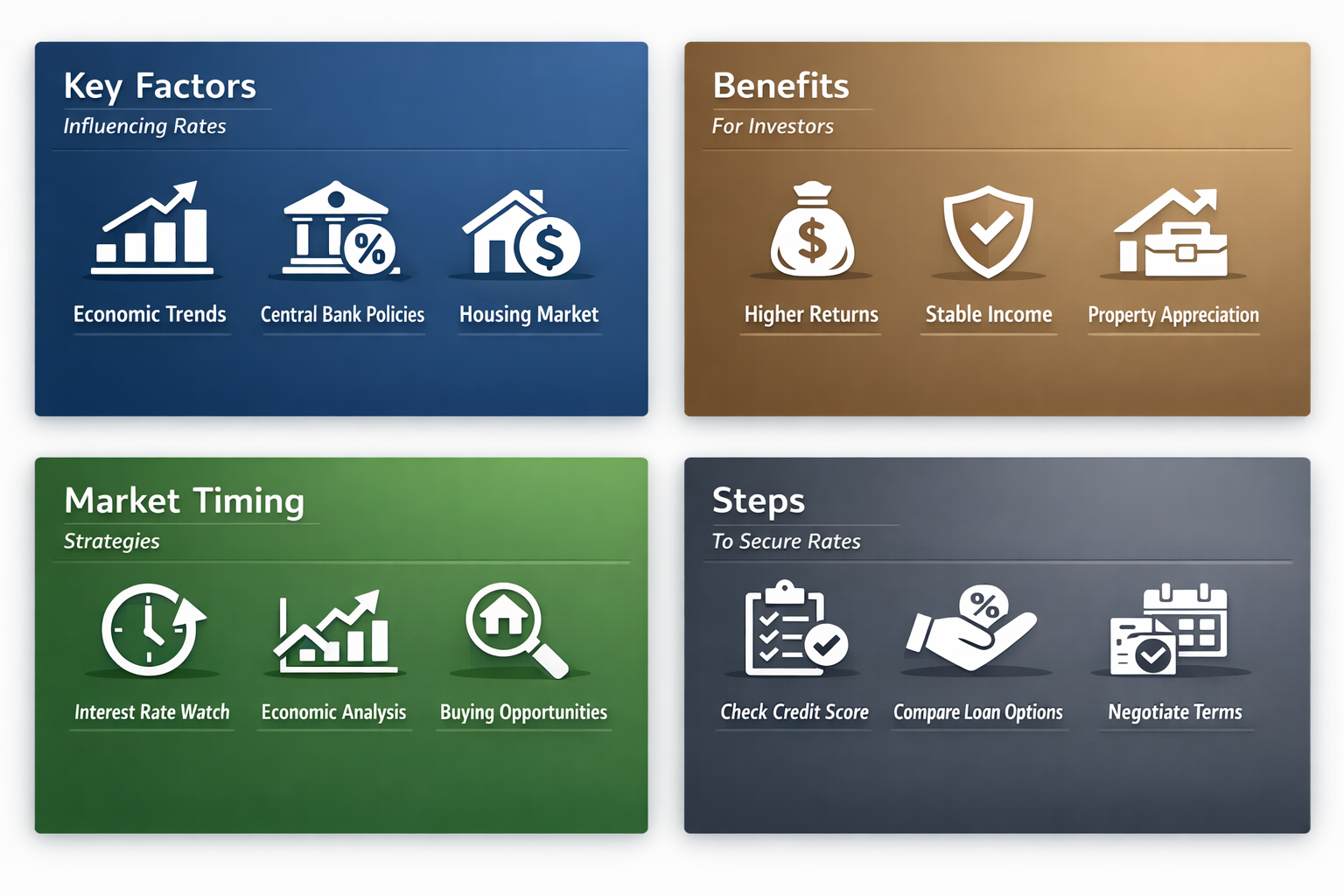
Key Factors Influencing DSCR Cash Out Refinance Rates
Understanding what drives DSCR cash out refinance rates helps investors position themselves for better pricing and terms when accessing property equity.
Debt Service Coverage Ratio: Properties with higher DSCR scores typically qualify for more competitive rates, as they demonstrate stronger cash flow relative to debt obligations
Property Type and Location: Single-family rentals in stable markets often receive better pricing compared to multi-unit properties or those in volatile areas
Loan-to-Value Ratio: Lower LTV ratios generally correlate with reduced rates, as they represent less risk for lenders
Market Interest Rate Environment: Broader economic conditions and Federal Reserve policies directly impact baseline pricing for all mortgage products
Borrower Experience: Seasoned real estate investors with strong track records might access preferential pricing tiers
Benefits of DSCR Cash Out Refinancing for Investors
DSCR cash out refinancing offers unique advantages that align with investor goals and portfolio growth strategies, despite potentially higher rates compared to owner-occupied refinancing.
Portfolio Expansion Capital: Access property equity without selling assets, allowing continued appreciation while funding new acquisitions
Simplified Income Documentation: Qualification based on rental income rather than complex personal financial statements, streamlining the approval process
Flexible Property Management: No restrictions on property management arrangements, unlike some conventional loan products
Quick Closing Timelines: Reduced documentation requirements often lead to faster processing and closing schedules
Market Timing Strategies for Better Rates
Strategic timing can significantly impact the rates investors secure on DSCR cash out refinancing, potentially saving thousands over the loan term.
Rate Cycle Monitoring: Track Federal Reserve announcements and economic indicators that typically precede rate changes in the mortgage market
Seasonal Considerations: Lending volume fluctuations throughout the year might create opportunities for better pricing during slower periods
Portfolio Performance Review: Time refinancing applications when property cash flows are strongest, typically after rent increases or improved occupancy rates
Competition Analysis: Shop multiple lenders simultaneously during favorable market windows to leverage competitive pricing
Steps to Secure Competitive DSCR Cash Out Refinance Rates
Following a systematic approach to DSCR cash out refinancing can help investors maximize their chances of securing favorable rates and terms.
Optimize Property Performance: Ensure rental income is maximized and documented properly through lease agreements and rent rolls before applying
Prepare Financial Documentation: Organize property tax returns, operating statements, and bank statements to demonstrate consistent cash flow
Research Multiple Lenders: Compare offerings from portfolio lenders, credit unions, and specialized DSCR loan providers to identify the best rates
Consider Rate Lock Options: Evaluate whether locking rates during the application process makes sense based on current market trends
Review Loan Structure Options: Assess whether adjustable-rate or fixed-rate products align better with your investment timeline and risk tolerance
Calculating the True Cost of DSCR Cash Out Refinancing
Evaluating DSCR cash out refinance rates requires looking beyond the interest rate to understand the complete cost structure and return on investment.
Total Interest Cost Analysis: Calculate the lifetime interest expense based on your expected holding period and compare it to alternative financing methods
Closing Cost Evaluation: Factor in origination fees, appraisal costs, and other closing expenses that impact your net cash proceeds
Cash-on-Cash Return Impact: Determine how the new payment structure affects your property's cash-on-cash returns and overall portfolio performance
Tax Implication Assessment: Consider how mortgage interest deductions and depreciation recapture might influence your effective cost of capital
DSCR cash out refinance rates represent a powerful tool for real estate investors seeking to unlock property equity while maintaining ownership of appreciating assets. While rates might currently range between 6.25% and 8.00%, the specific pricing you receive depends on property performance, market conditions, and your overall borrower profile.
Success with DSCR cash out refinancing requires careful preparation, strategic timing, and thorough cost analysis. By optimizing property cash flows, shopping multiple lenders, and understanding the complete cost structure, investors can position themselves to secure competitive rates that support their portfolio growth objectives.
As the cash-out refinance market continues to evolve, staying informed about rate trends and maintaining strong property fundamentals will be key to maximizing the benefits of this flexible financing strategy. Consider working with experienced DSCR lenders who understand investor needs and can structure loans that align with your long-term real estate investment goals.