Insurance premium increases for landlords have become one of the most significant expense ratio pressures facing rental property investors today. With some markets experiencing dramatic cost surges, investors are finding their carefully calculated cash flow projections suddenly squeezed by insurance costs that can range from $800 to $3,000 annually per property.
The current insurance landscape presents unique challenges for real estate investors. Natural disasters, inflation, and increased claims activity are driving costs upward at an unprecedented pace. For investors financing properties through DSCR loans or managing fix and flip projects, these rising insurance costs can significantly impact underwriting calculations and overall investment returns.
Understanding how to navigate this challenging environment is crucial for maintaining profitable rental property portfolios. The strategies outlined in this guide can help investors mitigate insurance premium increases while protecting their investment properties and preserving cash flow.
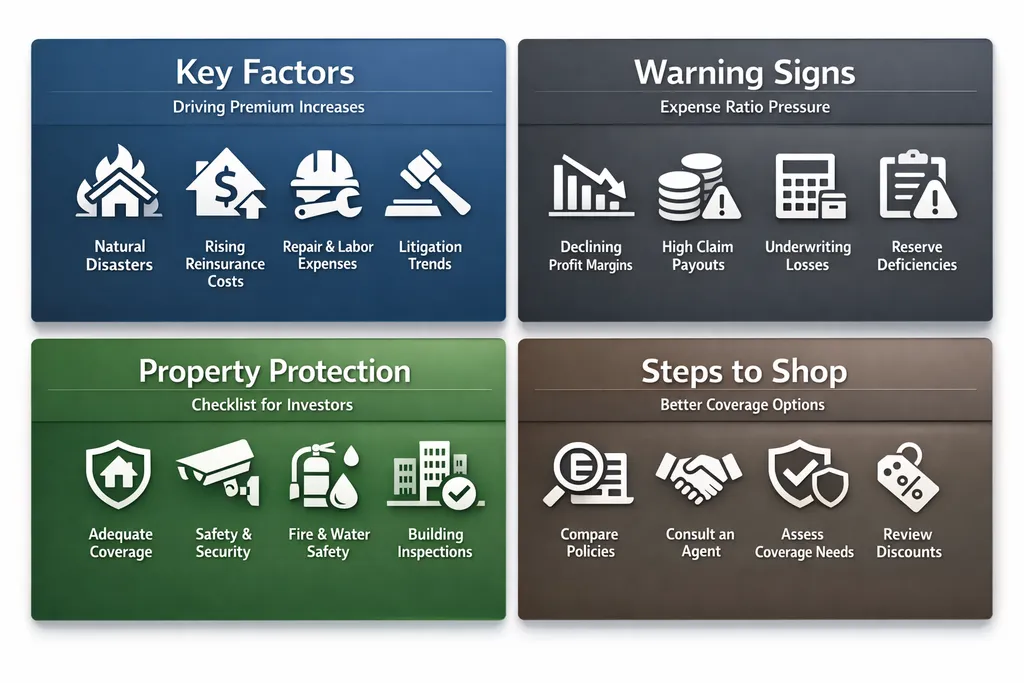
Key Factors Driving Insurance Premium Increases
Several key factors are driving insurance premium increases for landlords across the country. Understanding these underlying causes helps investors develop more effective cost management strategies.
Natural disaster frequency and severity: Increased weather-related claims from hurricanes, floods, and wildfires are forcing insurance companies to reassess risk models and raise premiums accordingly
Inflation impact on construction costs: Rising material and labor costs mean higher claim payouts for property damage, leading insurers to adjust premiums upward to maintain profitability
Aggressive contractor practices: Some roofing and restoration contractors are pursuing claims more aggressively, contributing to higher claim frequencies and inflated repair costs
Reinsurance market pressures: Insurance companies themselves face higher costs for reinsurance coverage, which typically gets passed down to property owners through premium increases
Warning Signs of Expense Ratio Pressure
Recognizing the warning signs of expense ratio pressure from insurance costs helps investors take proactive action before cash flow becomes severely impacted.
Premium increases exceeding 15% annually: When insurance costs rise significantly faster than rental income growth, it may signal broader market issues that require strategic adjustment
Difficulty finding competitive quotes: If multiple insurers are declining coverage or providing similar high quotes, it often indicates market-wide risk reassessment in your area
Cash flow margins tightening: When insurance costs begin consuming a larger percentage of gross rental income, it puts pressure on overall property profitability
Underwriting challenges for new acquisitions: DSCR lenders may require higher debt service coverage ratios when insurance costs are elevated, affecting financing options
Property Protection Checklist
Implementing comprehensive property protection measures can help reduce insurance premium increases by demonstrating lower risk to insurance providers.
Install security systems and monitoring: Burglar alarms, security cameras, and 24-hour monitoring services can qualify for significant premium discounts with many insurers
Upgrade electrical and plumbing systems: Modern electrical panels, GFCI outlets, and updated plumbing reduce fire and water damage risks that insurers consider when setting rates
Maintain detailed property records: Document all maintenance, upgrades, and inspections to demonstrate proactive property management to insurance underwriters
Implement tenant screening protocols: Thorough tenant background checks and lease requirements can reduce liability claims and property damage incidents
Steps to Shop for Better Coverage
A systematic approach to shopping for landlord insurance can help investors find better rates while maintaining adequate coverage levels.
Gather comprehensive property data: Compile detailed information about property age, construction materials, square footage, recent updates, and claims history before requesting quotes
Contact multiple independent agents: Work with agents who represent several insurance companies rather than captive agents tied to a single insurer for broader market access
Request quotes with identical coverage limits: Ensure all quotes include the same liability limits, deductibles, and coverage options to make accurate comparisons
Negotiate based on portfolio size: Investors with multiple properties may qualify for portfolio discounts or preferred rates with certain insurers
Methods to Reduce Premium Costs
Several proven methods can help investors reduce insurance premium costs without sacrificing essential coverage for their rental properties.
Increase deductibles strategically: Higher deductibles can significantly reduce premium costs, but ensure you have adequate cash reserves to cover potential out-of-pocket expenses
Bundle multiple properties: Insuring multiple rental properties with the same carrier often results in portfolio discounts and simplified claims management
Remove unnecessary coverage: Eliminate coverage for items like personal property or loss of use that may not apply to rental properties to reduce premium costs
Implement risk reduction measures: Installing storm shutters, impact-resistant roofing, or flood mitigation systems may qualify for specific premium credits
Strategies for Cash Flow Protection
Protecting rental property cash flow from insurance premium increases requires both immediate tactics and long-term strategic planning.
Build insurance cost escalation into rent increases: Factor anticipated insurance cost growth into annual rent adjustment calculations to maintain profit margins over time
Establish dedicated insurance reserves: Set aside a percentage of rental income specifically for insurance cost increases to avoid cash flow surprises
Consider umbrella liability policies: A single umbrella policy covering multiple properties may provide more cost-effective liability protection than individual high-limit policies
Evaluate self-insurance options: Large portfolio owners might consider higher deductibles or self-insuring certain risks while maintaining catastrophic coverage
Essential Takeaways for Investors
Successfully managing insurance premium increases for landlords requires a proactive approach that combines cost reduction strategies with careful financial planning. The current insurance market environment presents significant challenges, but investors who take decisive action can mitigate much of the expense ratio pressure affecting their portfolios.
The key to success lies in treating insurance costs as an active component of investment strategy rather than a fixed expense. Regular market shopping, property risk reduction, and strategic coverage adjustments can help maintain profitable cash flow even as market conditions continue to evolve. Investors should also factor these rising costs into their underwriting process for new acquisitions and refinancing decisions.
Insurance premium increases for landlords represent a significant challenge in today's real estate investment landscape, but they don't have to derail your investment strategy. By implementing the strategies outlined in this guide, investors can reduce costs, protect cash flow, and maintain profitable rental property portfolios even in challenging market conditions.
Remember that insurance costs should be viewed as an ongoing aspect of property management that requires regular attention and strategic planning. Whether you're financing through DSCR loans or managing a portfolio of rental properties, staying ahead of insurance cost trends will help ensure your investments remain profitable for years to come.
At Trulo Mortgage, we understand how rising insurance costs affect investment property cash flow and underwriting decisions. Our team works with investors to structure financing solutions that account for current market realities while supporting long-term investment success.