Best Ways to Qualify for DSCR Loans: Your Complete Investor Guide
Understanding the best ways to qualify for DSCR financing can make the difference between securing your next investment property or watching it slip away to another investor. Unlike traditional mortgages that focus heavily on personal income verification, DSCR loans prioritize your property's ability to generate rental income that covers its debt obligations.
For real estate investors, this income-based approach opens doors to financing multiple properties without the traditional employment documentation hurdles. However, qualifying for these loans requires understanding specific underwriting factors and approval criteria that differ significantly from conventional mortgage products.
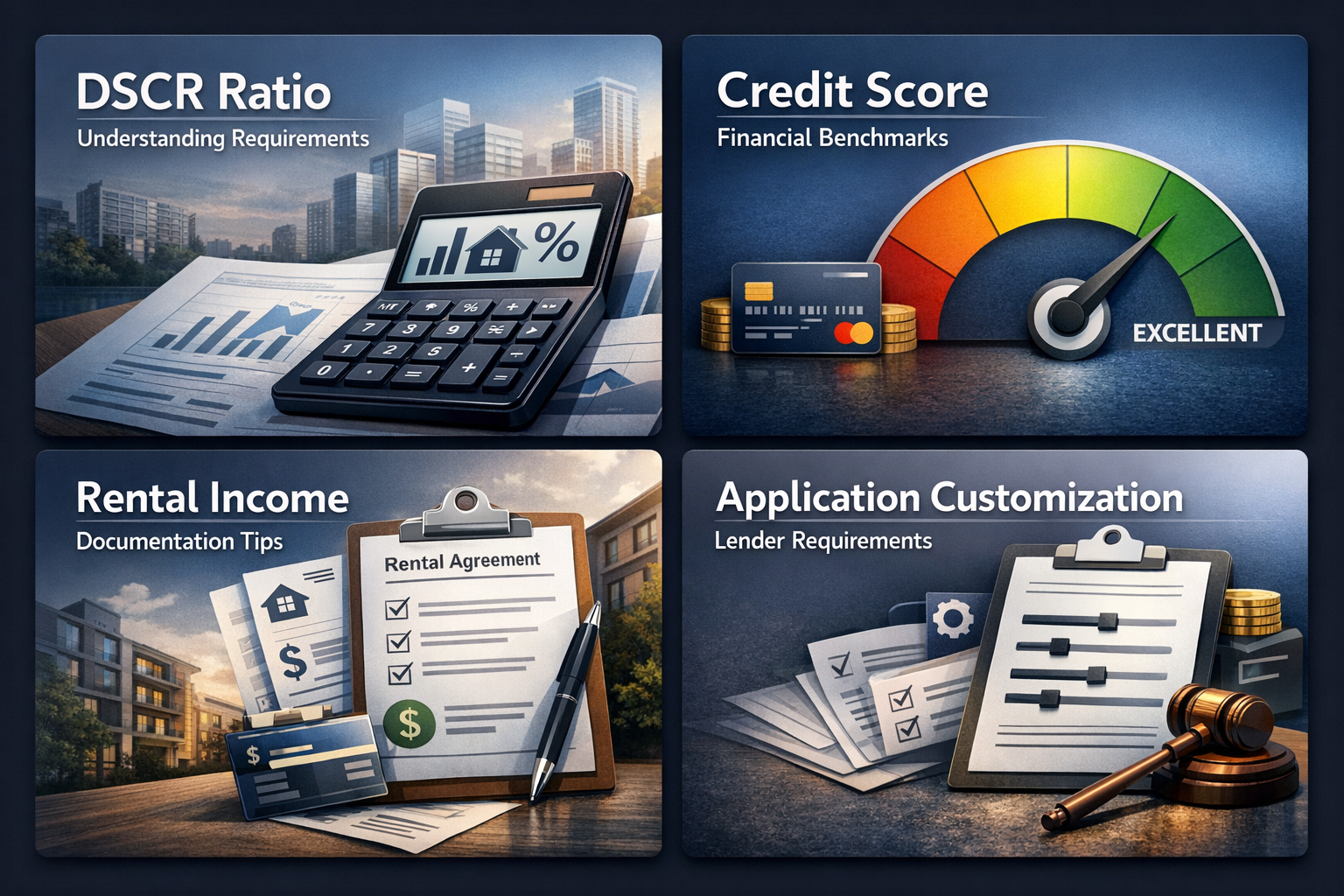
Understanding DSCR Ratio Requirements
The foundation of DSCR loan qualification centers on understanding ratio requirements, which can vary significantly between lenders. Different lenders may set minimum DSCR thresholds ranging from 0.75 to 1.25, depending on their risk tolerance and loan programs.
Minimum ratio standards: Most lenders typically require a DSCR of at least 1.0, though some programs may accept ratios below this threshold with adjusted terms
Rate impact considerations: Higher DSCR ratios often correlate with better interest rates and more favorable loan terms from lenders
Property type variations: Different property types might have varying DSCR requirements, with single-family rentals often having different thresholds than multifamily properties
Lender-specific policies: Each lender may have unique DSCR calculation methods and minimum requirements that affect your qualification chances
Credit Score and Financial Benchmarks
Maintaining strong credit scores and meeting financial benchmarks represents one of the most controllable aspects of DSCR loan qualification. Higher credit scores can unlock better loan terms, including lower interest rates and more favorable loan-to-value ratios.
Credit score thresholds: Many DSCR lenders may require credit requirements of 620 or higher, though some programs might accept lower scores with compensating factors
Down payment expectations: DSCR loans typically require higher down payments than conventional mortgages, often ranging from 20% to 25% or more
Cash reserves requirements: Lenders often expect investors to maintain several months of mortgage payments in reserve funds
Debt-to-income considerations: While less emphasized than traditional loans, some DSCR lenders may still evaluate overall debt obligations
Optimizing Rental Income Documentation
Showcasing strong property income through proper documentation can significantly enhance your DSCR loan approval chances. The way you present rental income calculations data and property performance metrics directly influences how lenders evaluate your application.
Market rent analysis: Providing comprehensive market rent studies or appraisals that demonstrate realistic rental income potential for your property
Existing lease agreements: Current lease documents and rent rolls for occupied properties can strengthen your income projections
Property management records: Detailed income and expense statements from property management companies may support your cash flow calculations
Automated valuation tools: Some lenders might utilize rental AVMs to evaluate property income potential, which can optimize the underwriting process
Customizing Applications for Lender Requirements
Tailoring your DSCR loan applications to specific lender requirements can improve your approval tips significantly. Different lenders may emphasize various underwriting factors, making customization a crucial strategy for successful qualification.
Lender research approach: Understanding each lender's specific DSCR calculation methods and minimum requirements before applying
Program flexibility options: Some lenders may offer specialized programs for investors with DSCR ratios below 1.0, providing additional financing alternatives
Documentation preferences: Different lenders might prefer specific types of income documentation or property valuation methods
Portfolio considerations: Some lenders may evaluate your entire real estate portfolio when making approval decisions, potentially benefiting experienced investors
Implementation Steps for DSCR Qualification Success
Taking systematic steps toward DSCR loan qualification can streamline your approval process and improve your chances of securing favorable terms. These actionable strategies can help you position yourself as a strong candidate for DSCR financing.
Calculate your property's DSCR accurately using reliable rental income projections and actual debt service amounts to determine which lenders might be the best fit
Improve your credit profile by paying down existing debts, correcting any credit report errors, and avoiding new credit inquiries before applying
Gather comprehensive documentation including property appraisals, rent rolls, market analysis, and financial statements to support your application
Build cash reserves to meet lender requirements and demonstrate financial stability beyond the minimum down payment
Compare multiple lenders to find programs that align with your property's DSCR ratio and your overall investment strategy
Mastering the best ways to qualify for DSCR loans requires understanding that these financing products focus primarily on property performance rather than personal income verification. By optimizing your DSCR ratio, maintaining strong credit scores, properly documenting rental income, and customizing applications to lender-specific requirements, you can significantly improve your approval chances.
Remember that DSCR loan qualification is often more flexible than traditional mortgage requirements, with some programs accepting ratios below 1.0 and emphasizing property cash flow over employment documentation. This flexibility makes DSCR financing particularly valuable for real estate investors looking to scale their portfolios efficiently.
Success in DSCR loan qualification comes from preparation, proper documentation, and understanding that different lenders may have varying requirements and calculation methods. Take time to research lenders, optimize your property's income documentation, and present your application in the strongest possible light to secure the financing you need for your next investment property.