Maximizing Your Investment Property's Debt Service Coverage Ratio
The debt service coverage ratio has become increasingly important for real estate investors, especially as DSCR loans gain popularity in today's competitive market. With demand for these cash flow-based financing products ramping up significantly, understanding the best ways to improve DSCR can make the difference between loan approval and rejection.
Your DSCR directly impacts not only your ability to qualify for financing but also the terms you'll receive. Properties with stronger coverage ratios typically secure better interest rates and more favorable loan conditions. For investors building portfolios through DSCR loans, optimizing this metric becomes essential for long-term success.
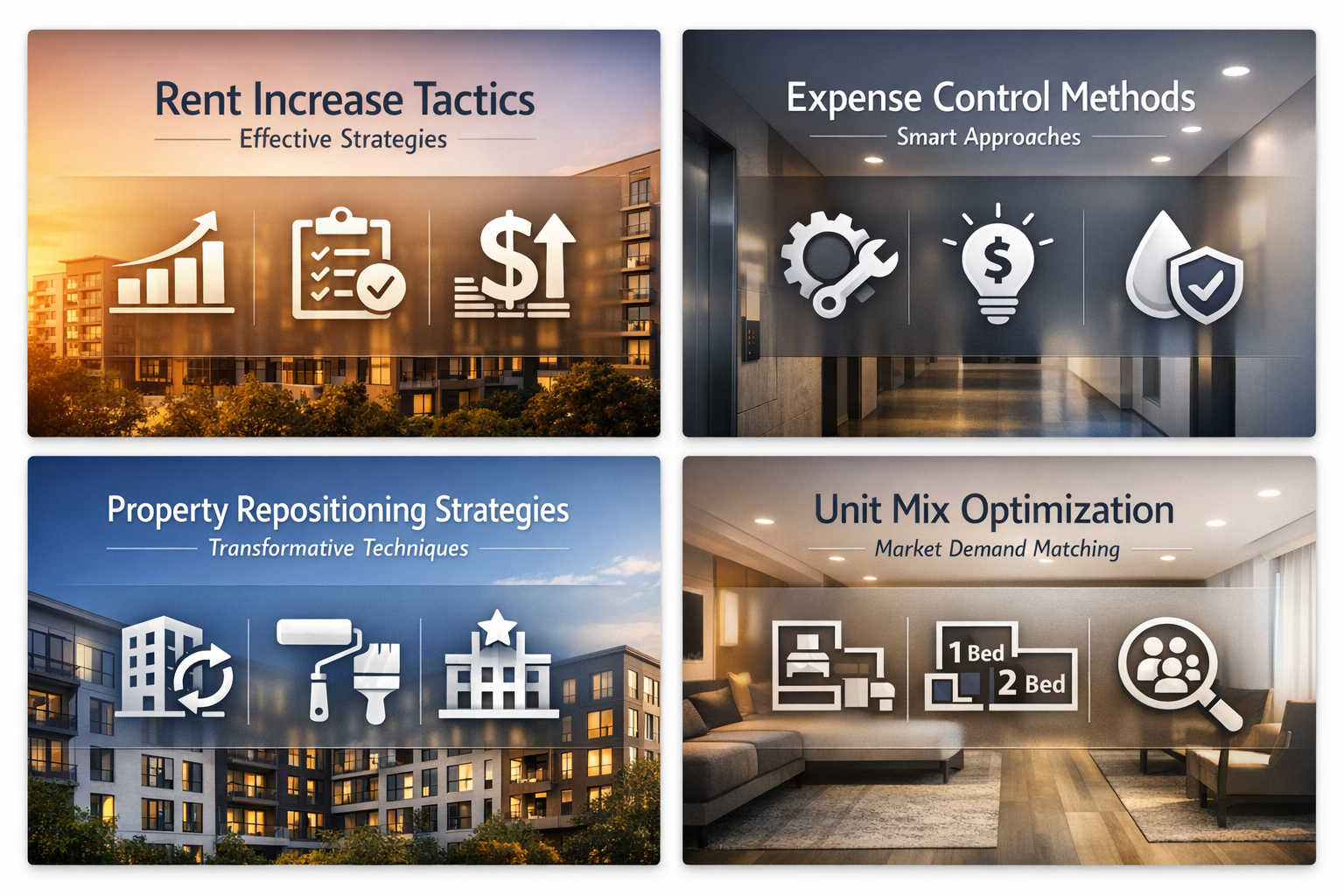
The strategies we'll explore focus on three core areas: maximizing rental income through strategic rent increases, controlling operational expenses, and repositioning properties to enhance their cash flow potential. Each approach offers practical ways to strengthen your investment's financial performance.
Strategic Actions to Boost Your DSCR
Strategic actions to boost your DSCR require a systematic approach to property management and financial optimization. The most effective investors focus on proven methods that deliver measurable results without compromising tenant satisfaction or property value.
Implement market-based rent adjustments by researching comparable properties in your area and adjusting rents to reflect current market conditions, which can often increase monthly income by 5-15% annually
Upgrade high-impact amenities such as installing energy-efficient appliances, improving lighting, or adding storage solutions that justify higher rental rates while attracting quality tenants
Diversify income streams through additional revenue sources like parking fees, pet deposits, or utility reimbursements that directly improve your property's cash flow without major capital investment
Optimize lease terms by structuring agreements with built-in annual increases, longer lease periods for stable tenants, or performance-based adjustments that protect against inflation
Common Mistakes That Hurt Your DSCR
Common mistakes that hurt your DSCR often stem from reactive rather than proactive property management decisions. Avoiding these pitfalls helps maintain strong cash flow performance and protects your ability to secure favorable financing terms.
Don't neglect regular market analysis as failing to track rental rate trends in your area can leave significant money on the table and weaken your debt coverage position over time
Don't overspend on unnecessary improvements that don't translate to higher rents or reduced vacancy rates, as these expenses directly impact your net operating income calculations
Don't ignore tenant quality by accepting any applicant without proper screening, as problem tenants often lead to costly evictions, property damage, and extended vacancy periods
Don't defer essential maintenance thinking it saves money, as small issues can become expensive repairs that significantly impact your property's cash flow and marketability
Effective Rent Increase Tactics for Higher Cash Flow
Effective rent increase tactics for higher cash flow require careful timing and strategic implementation to maximize results while maintaining good tenant relationships. The most successful approaches combine market research with value-added improvements.
Market rate analysis and competitive positioning: Research comparable properties within a half-mile radius to establish current market rates, then position your property's rent increases to reflect its competitive advantages such as location, amenities, or condition
Value-add improvements before increases: Implement strategic upgrades like fresh paint, updated fixtures, or improved landscaping before implementing rent increases, which helps justify higher rates and reduces tenant resistance
Timing optimization strategies: Schedule rent increases during peak rental seasons when tenant demand is highest and moving costs are more burdensome, typically avoiding winter months in most markets
Communication and retention techniques: Provide adequate notice with clear explanations of market conditions and property improvements, often including options for lease extensions or small concessions to retain quality tenants
Smart Expense Control Methods for Better Coverage
Smart expense control methods for better coverage focus on reducing operational costs without compromising property quality or tenant satisfaction. These strategies directly improve your net operating income and strengthen your DSCR position.
Utility optimization and energy efficiency: Install programmable thermostats, LED lighting, and low-flow fixtures to reduce utility costs, while encouraging tenants to participate in energy-saving practices through lease incentives
Preventive maintenance scheduling: Develop systematic maintenance schedules for HVAC systems, roofing, and major appliances to prevent costly emergency repairs and extend equipment life cycles
Vendor relationship management: Negotiate annual contracts with reliable service providers for landscaping, cleaning, and repairs to secure better rates and priority service when issues arise
Insurance and tax optimization: Review insurance coverage annually to ensure appropriate limits without overpaying, and challenge property tax assessments when market conditions or property improvements warrant adjustments
Property Repositioning Strategies That Work
Property repositioning strategies that work involve transforming underperforming assets into higher-income producers through targeted improvements and market repositioning. These approaches can significantly improve DSCR ratios when implemented correctly.
Unit mix optimization and conversion opportunities: Evaluate whether larger units can be divided or smaller units combined to better match market demand, such as converting three-bedroom units into two smaller two-bedroom apartments in high-demand urban areas
Amenity additions and common area improvements: Add valuable amenities like fitness centers, co-working spaces, or outdoor entertainment areas that justify premium rents and attract higher-quality tenants willing to pay market rates
Tenant demographic targeting: Reposition properties to attract specific tenant groups such as young professionals or families by adjusting unit features, marketing approaches, and lease terms to match their preferences and ability to pay higher rents
Technology integration and modern conveniences: Install smart home features, high-speed internet infrastructure, or package management systems that appeal to tech-savvy renters and support premium pricing strategies
Improving your DSCR requires a balanced approach that combines strategic rent increases, disciplined expense management, and thoughtful property repositioning. The most successful investors treat these strategies as ongoing processes rather than one-time fixes, continuously monitoring market conditions and adjusting their approaches accordingly.
As DSCR loan demand continues growing into 2026, properties with stronger debt coverage ratios will likely enjoy better financing terms and increased investor interest. The strategies outlined here provide practical pathways to strengthen your investment's financial performance while building long-term value.
Remember that the best ways to improve DSCR often depend on your specific market conditions, property type, and tenant demographics. Start with the approaches that offer the highest impact relative to your investment and timeline, then gradually implement additional strategies as your cash flow improves.