Best DSCR Documentation Practices for Rental Property Investors
Getting your DSCR loan approved quickly often depends on having the right documentation organized from the start. Unlike traditional mortgages that scrutinize your personal income, DSCR loans focus entirely on your property's cash flow potential. This shift in evaluation criteria means your documentation strategy needs to be different too.
The best DSCR documentation practices can make the difference between a smooth 30-day closing and months of back-and-forth requests from lenders. When you understand exactly what lenders need to see and how to present it, you're positioning yourself for faster approvals and better loan terms.
Smart investors know that proper documentation isn't just about meeting minimum requirements. It's about presenting your investment property in the strongest possible light to secure favorable financing terms that maximize your returns.
Essential Property Income Documentation Tips
Essential property income documentation tips form the foundation of successful DSCR loan applications. Your ability to demonstrate consistent rental income directly impacts your loan approval and terms.
Gather 12-24 months of rental history when available. Even if you're purchasing a new investment property, existing rental history from the current owner can strengthen your application significantly.
Include lease agreements for all rental units. Current lease agreements show lenders the actual rental rates and lease terms, which helps them calculate accurate cash flow projections for your property.
Document any additional income sources from the property. This might include parking fees, laundry income, or pet deposits that contribute to your property's overall cash flow potential.
Prepare market rent analysis for vacant units. If some units are currently vacant, provide comparable rental rates from similar properties in your area to demonstrate income potential.
Professional Lease Preparation Strategies
Professional lease preparation strategies ensure your rental agreements meet lender requirements while protecting your investment interests. Proper lease prep demonstrates to lenders that you're running a professional rental operation.
Use standardized lease templates with clear rental terms. Consistent lease formats make it easier for lenders to review your agreements and understand your rental income structure quickly.
Include escalation clauses and renewal options. These provisions show lenders that you have mechanisms in place to maintain or increase rental income over time, which strengthens your cash flow projections.
Document security deposits and additional fees separately. Clear separation of base rent from deposits and fees helps lenders accurately calculate your qualifying rental income for DSCR calculations.
Ensure all leases comply with local rental regulations. Compliance with local laws reduces the risk of rental income disruption, which lenders view favorably when evaluating your application.
Effective Rent Roll Organization Methods
Effective rent roll organization methods provide lenders with a clear snapshot of your property's income performance. A well-organized rent roll setup demonstrates professional property management and makes underwriting more efficient.
Create detailed spreadsheets showing unit-by-unit breakdowns. Include unit numbers, square footage, current rental rates, lease start and end dates, and tenant contact information for each rental unit.
Track payment history and vacancy rates over time. This historical data helps lenders understand your property's income stability and your effectiveness as a property manager or investor.
Include year-over-year rent increase documentation. Showing consistent rent growth over time indicates strong market demand and your ability to maximize property income potential effectively.
Separate different property types and income streams clearly. If you have mixed-use properties or multiple income sources, organize them in distinct sections to avoid confusion during the underwriting process.
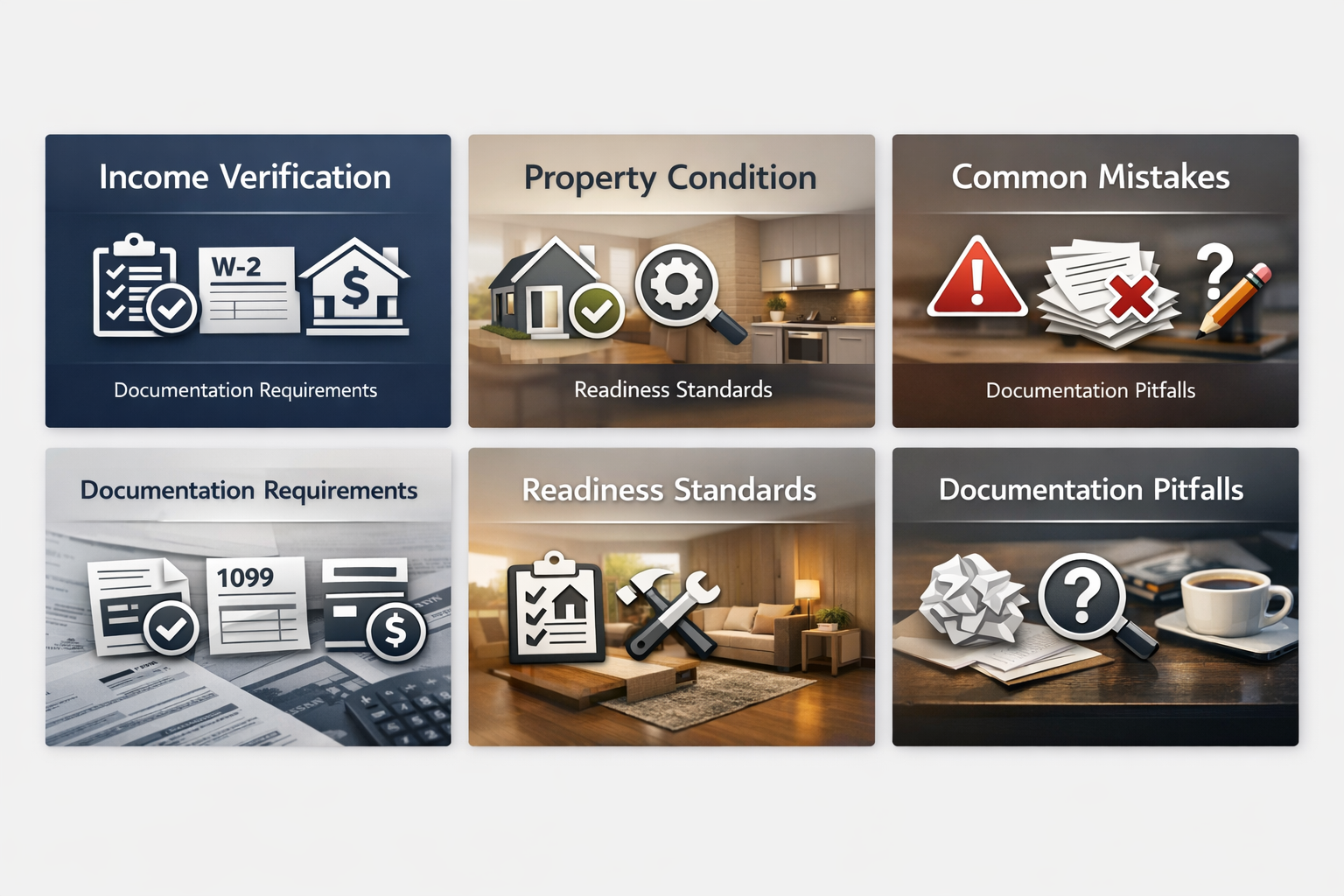
Income Verification Documentation Requirements
Income verification documentation requirements for DSCR loans focus on property performance rather than personal financial history. Understanding these requirements helps you prepare the right documents upfront.
Bank statements showing rental deposits. Provide 3-6 months of business or personal account statements that clearly show rental income deposits matching your rent roll documentation.
Property tax returns and Schedule E forms. These documents verify reported rental income and expenses, giving lenders confidence in your property's actual cash flow performance over time.
Professional property appraisal with rental income analysis. Most lenders require appraisals that include rental market analysis, which validates your projected rental income against comparable properties in your market area.
Property management agreements if applicable. If you use professional property management, include agreements and financial statements that show how management fees affect your net operating income calculations.
Insurance policies and expense documentation. Current insurance policies, maintenance records, and utility bills help lenders calculate accurate operating expenses for DSCR ratio determination.
Property Condition and Readiness Standards
Property condition and readiness standards significantly impact your DSCR loan approval timeline and terms. Lenders typically require properties to be rent-ready before closing, which affects your preparation strategy.
Complete all necessary repairs before loan application. Properties should be in move-in condition with functioning utilities, working appliances, and no major maintenance issues that could affect rental income potential.
Obtain required rental permits and certificates. Many jurisdictions require rental licenses or certificates of occupancy for investment properties, and lenders often verify these are current before approving loans.
Document recent property improvements and upgrades. Recent renovations or improvements can justify higher rental rates and improve your property's appraised value, potentially resulting in better loan terms.
Ensure compliance with local housing codes. Properties must meet all applicable building codes and safety requirements, as non-compliance issues can delay closings or result in loan denials.
Common Documentation Mistakes to Avoid
Common documentation mistakes can delay your DSCR loan approval or result in less favorable terms. Being aware of these pitfalls helps you avoid unnecessary complications during the underwriting process.
Inconsistent rental income reporting across documents. Make sure your rent roll, lease agreements, bank statements, and tax returns all show consistent rental income figures to avoid raising red flags with underwriters.
Missing or incomplete property expense documentation. Failing to provide comprehensive expense records can result in lenders using higher estimated expenses, which may negatively impact your DSCR ratio calculations.
Outdated lease agreements or rent rolls. Using old documentation that doesn't reflect current rental rates or tenant situations can cause delays as lenders request updated information during underwriting.
Mixing personal and business financial records. Keep investment property finances separate from personal accounts to make it easier for lenders to track rental income and property-related expenses accurately.
Inadequate market rent justification for new acquisitions. When purchasing properties without established rental history, failing to provide thorough market rent analysis can result in conservative rental income projections from lenders.
Mastering the best DSCR documentation practices puts you ahead of other investors competing for the same financing opportunities. When you present organized, comprehensive documentation that clearly demonstrates your property's income potential, lenders can process your application more efficiently and confidently.
Remember that DSCR loans evaluate properties based on cash flow rather than personal income, so your documentation strategy should reflect this focus. Properties with DSCR ratios of 1.25 or higher typically qualify for better rates and terms, making thorough income documentation even more valuable.
The time you invest in proper lease prep, rent roll setup, and income proof organization pays dividends through faster approvals and more favorable loan terms. As DSCR loan requirements continue evolving, staying current with documentation best practices ensures you're positioned to take advantage of new investment opportunities as they arise.