7 Mistakes Rental Investors Make in High Rate Markets
March 6, 2026
•
7 min read
High interest rate environments present unique challenges for rental property investors. With DSCR loan rates ranging from 6.5% to 8.75% in 2026, the margin for error has become razor-thin. Many seasoned investors are finding themselves caught off guard by shifting market dynamics, leading to costly miscalculations that can impact their entire portfolio's performance.
The current market requires a different approach than the low-rate environment many investors became accustomed to over the past decade. Understanding these common pitfalls can mean the difference between building wealth and watching your investment strategy crumble under financial pressure.
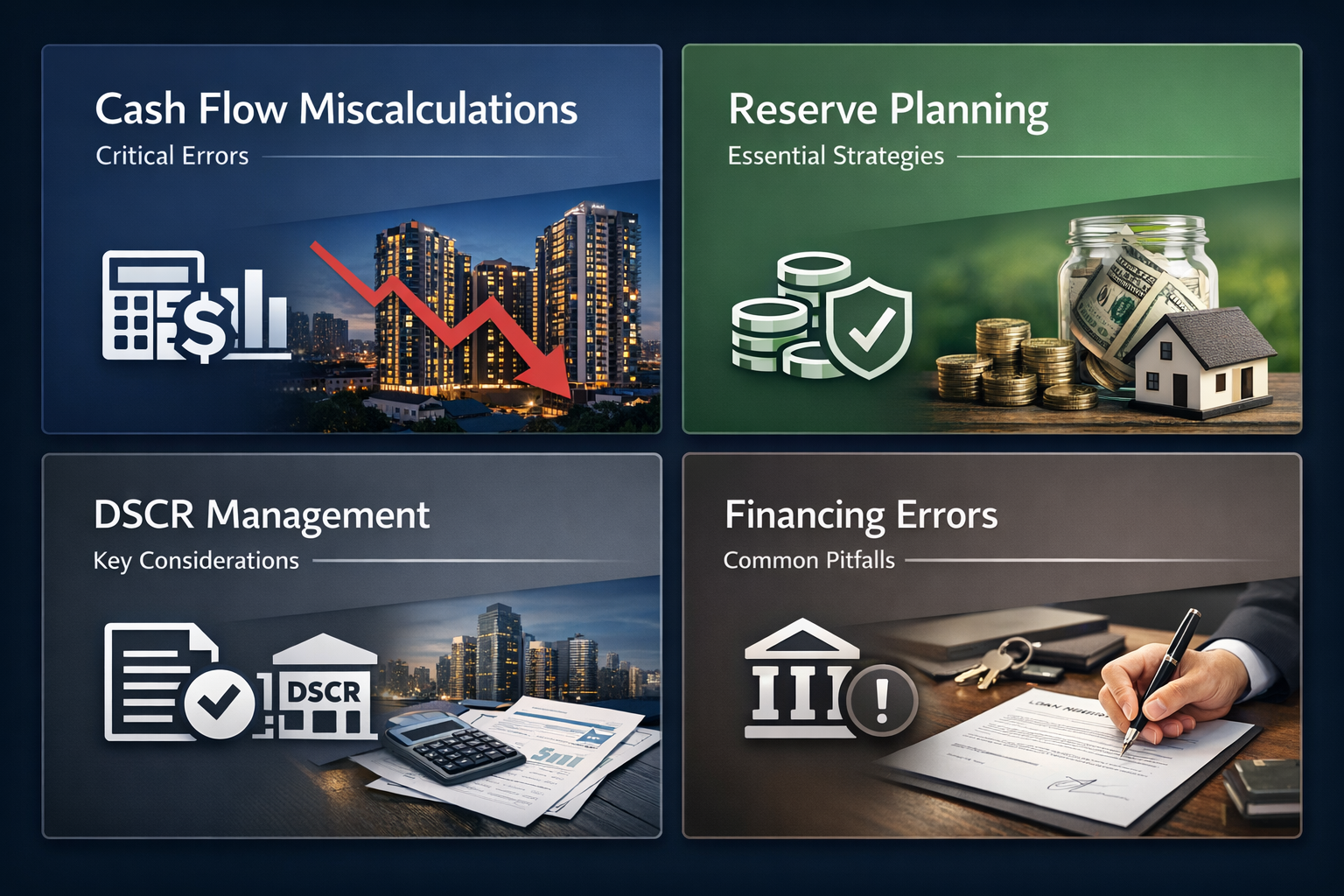
Critical Cash Flow Miscalculations
Cash flow miscalculations represent one of the most devastating errors rental investors make in high rate markets. These pricing miscalculations often stem from outdated assumptions about financing costs and rental yields.
Using outdated rental comps: Many investors rely on pre-2024 rental data that doesn't reflect current market conditions or tenant payment patterns in high-rate environments
Underestimating vacancy rates: Higher mortgage payments mean less buffer for extended vacancy periods, yet many investors still use historical vacancy assumptions
Ignoring maintenance cost inflation: Property maintenance and repair costs have increased significantly, but investment calculations often fail to account for these rising expenses
Overlooking property management fees: With tighter margins, property management costs that seemed negligible in low-rate markets can quickly erode profitability
Inadequate Reserve Planning
Reserve planning has become even more critical as lenders tighten their requirements for DSCR loans in 2026. Inadequate reserves can lead to both immediate approval delays and long-term cash flow problems.
Insufficient liquid reserves: Current DSCR loan requirements typically demand higher liquidity reserves than in previous years, yet many investors underestimate these needs
Failing to account for multiple property reserves: Portfolio investors often miscalculate the cumulative reserve requirements across all properties in high-rate scenarios
Not planning for interest rate fluctuations: Variable rate loans require additional reserves to handle potential payment increases during the loan term
Underestimating closing cost reserves: Higher rates mean higher closing costs, and many investors fail to reserve adequate funds for transaction expenses
Poor DSCR Ratio Management
DSCR ratio management has become increasingly complex as lenders adjust their criteria. Many investors struggle to maintain acceptable debt service coverage ratios in the current environment.
Targeting minimum ratios without buffer: While some lenders may accept ratios as low as 1.0 with adequate reserves, this leaves no room for market fluctuations or unexpected expenses
Miscalculating net operating income: Investors often overestimate NOI by using optimistic rent projections or underestimating operating expenses in high-rate markets
Ignoring seasonal rent variations: Many markets experience seasonal rental fluctuations that can temporarily impact DSCR ratios throughout the year
Not accounting for rent growth limitations: High interest rates may limit tenants' ability to absorb significant rent increases, affecting long-term DSCR projections
Top Financing Strategy Errors
Financing strategy errors have become more costly in high-rate markets. These leverage errors can significantly impact investment returns and portfolio stability.
Overleveraging in high-rate environments: Many investors continue using leverage strategies developed during low-rate periods, failing to adjust for current financing costs and reduced cash flow margins
Poor timing of refinancing decisions: With DSCR rates having improved from 8-9% to approximately 5.875% to 7.375% for qualified borrowers, many investors miss strategic refinancing opportunities
Inadequate loan product research: Different lenders offer varying DSCR loan terms and requirements, yet many investors settle for the first available option without proper comparison
Ignoring prepayment penalties: High-rate loans often include prepayment penalties that can trap investors in unfavorable terms when rates improve
Documentation and Approval Pitfalls
Documentation and approval pitfalls create unnecessary delays and can cost investors attractive deals. These approval delays often result from insufficient preparation for current lending standards.
Insufficient property management documentation: Lenders increasingly emphasize property management experience in 2026 DSCR loan requirements, yet many investors fail to properly document their management capabilities
Incomplete financial documentation: Higher scrutiny in the current market means lenders require more comprehensive financial documentation than in previous low-rate environments
Poor communication with lenders: Many investors underestimate the importance of maintaining clear communication channels with lenders throughout the approval process
Inadequate backup lender relationships: Relying on a single lender relationship can create significant delays when initial applications face unexpected challenges
Strategic Adaptation for Success
Strategic adaptation for success requires continuous evaluation and adjustment of investment approaches. The most successful investors in high-rate markets are those who recognize the need for ongoing strategy refinement.
Successful rental property investors understand that market conditions in 2026 demand a more conservative and analytical approach than previous years. This means regularly reassessing portfolio performance, maintaining higher reserve levels, and staying informed about changing lender requirements. The investors who thrive are those who view these challenges as opportunities to build more resilient and profitable portfolios.
By focusing on properties with strong fundamentals, maintaining adequate liquidity, and building relationships with multiple financing sources, investors can position themselves to take advantage of opportunities while minimizing risks. The key lies in treating these market conditions as the new normal rather than a temporary disruption to previous strategies.
Navigating rental property investments in high-rate markets requires a fundamental shift in approach and expectations. The 7 mistakes rental investors make in high rate markets can be avoided through careful planning, conservative assumptions, and adaptive strategies that account for current market realities.
Success in today's environment comes from understanding that higher rates create both challenges and opportunities. Investors who adjust their strategies accordingly, maintain adequate reserves, and work with experienced lenders can still build profitable portfolios. The key is recognizing that the strategies that worked in low-rate environments may need significant modification to succeed in today's market conditions.
At Trulo Mortgage, we understand the complexities of rental property financing in challenging market conditions. Our DSCR loan programs are designed to help qualified investors access the capital they need while navigating the current interest rate environment effectively.