Rising interest rates can challenge even the most experienced real estate investors. When borrowing costs climb, your debt service coverage ratio calculations shift, and deals that once looked promising might suddenly appear marginal. However, smart investors know that rate increases don't have to derail your investment strategy. The key lies in adapting your approach to DSCR loans and implementing proven strategies that account for higher borrowing costs. These five DSCR strategies for rising rates can help you maintain profitability and continue building your portfolio even when the lending environment becomes more challenging.
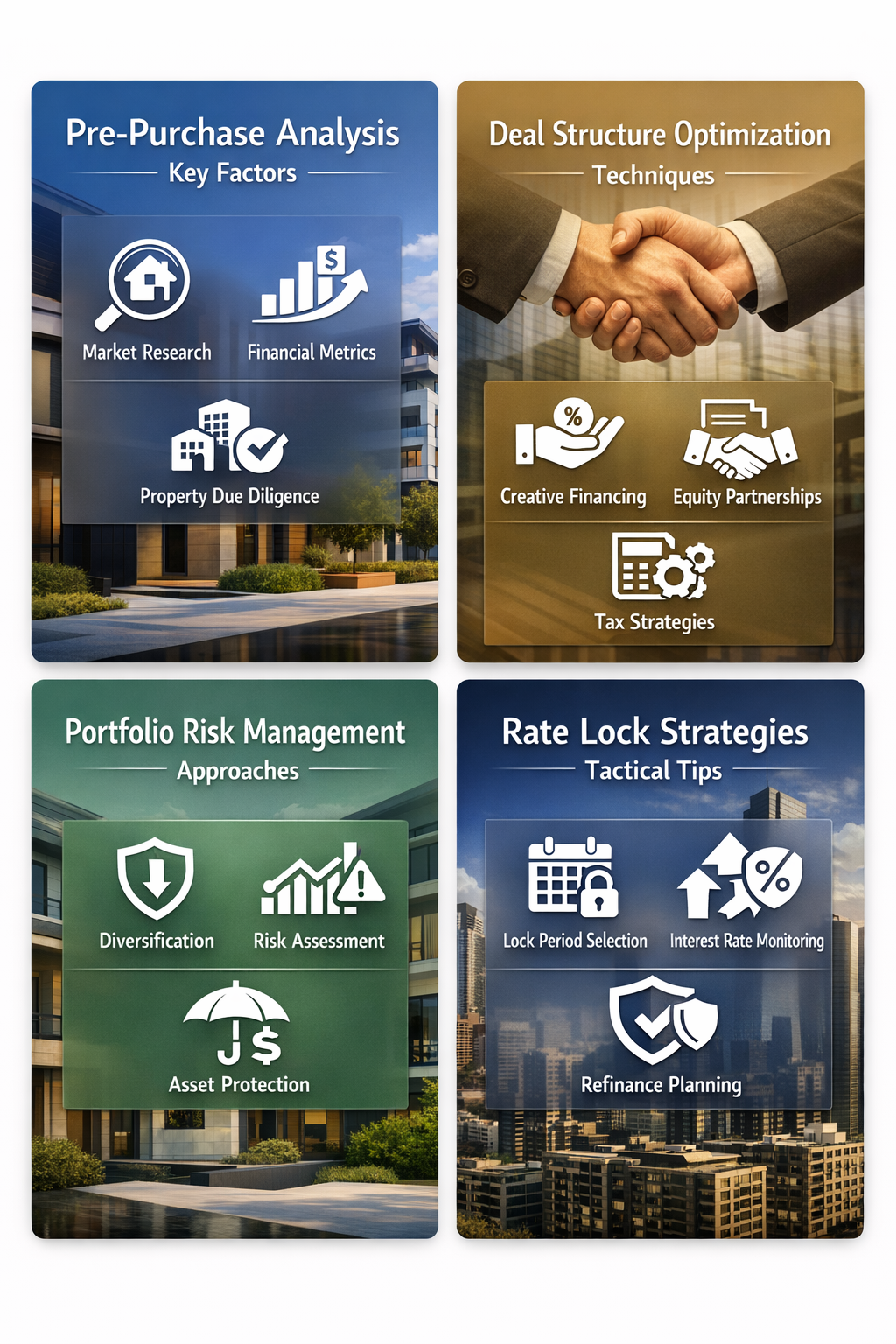
Pre-Purchase Analysis Essentials
Pre-purchase analysis essentials become even more critical when interest rates are climbing. Your underwriting process needs to account for the reality of higher borrowing costs and their impact on cash flow projections.
Calculate multiple rate scenarios: Run your DSCR numbers at current rates plus 0.5% and 1.0% higher to stress-test the deal's viability under potential future conditions.
Factor in realistic vacancy rates: Higher interest rates often coincide with economic uncertainty, so conservative vacancy assumptions help protect your investment thesis.
Verify rent comparables thoroughly: In rising interest rate environments, rental demand patterns may shift, making recent and accurate comparable data more important than ever.
Review local market fundamentals: Focus on areas with strong job growth and population increases, as these markets typically maintain rental demand even during economic shifts.
Deal Structure Optimization Techniques
Deal structure optimization techniques can help you maintain acceptable returns even when facing higher interest rates. The way you structure your DSCR loan and acquisition can significantly impact your investment's performance.
Consider interest-only payment periods: Many DSCR lenders offer interest-only options that can improve your debt service coverage ratio during the initial years of ownership.
Negotiate seller financing components: Combining traditional DSCR financing with seller carry-back notes can reduce your overall cost of capital and improve cash flow.
Explore adjustable rate options strategically: While riskier, ARM products might offer lower initial rates if you plan to refinance or sell within a specific timeframe.
Maximize loan-to-value carefully: Higher leverage can amplify returns, but ensure your DSCR remains comfortably above lender requirements even with rate increases.
Portfolio Risk Management Approaches
Portfolio risk management approaches help protect your overall investment strategy when individual deals face pressure from rising rates. Diversification and risk mitigation become essential tools in your investor toolkit.
Diversify property types and locations: Spread your investments across different markets and property categories to reduce concentration risk during rate cycles.
Maintain adequate cash reserves: Higher interest rates can create unexpected challenges, making substantial reserves more important for portfolio stability.
Monitor debt service coverage trends: Track DSCR performance across your portfolio monthly to identify properties that may need attention before problems develop.
Plan refinancing timing strategically: Avoid having multiple properties require refinancing simultaneously, which could force you to accept unfavorable terms during rate spikes.
Value-Add Implementation Steps
Value-add implementation steps become more crucial when rising rates squeeze your margins. These numbered steps can help you systematically increase property income to offset higher borrowing costs.
Conduct comprehensive rent analysis: Research current market rents thoroughly and identify specific units or amenities that justify increases, documenting your findings for future reference.
Execute strategic property improvements: Focus on renovations that provide measurable rent increases, such as updated kitchens, bathrooms, or energy-efficient appliances that tenants value.
Implement operational efficiencies: Reduce operating expenses through preventive maintenance programs, energy-saving upgrades, and streamlined property management processes.
Optimize tenant retention programs: Develop systems to keep quality tenants longer, reducing turnover costs and maintaining consistent income during uncertain economic periods.
Rate Lock and Timing Strategies
Rate lock and timing strategies can help you secure favorable financing terms even as market rates continue to rise. These tactical approaches focus on timing your loan applications and closings strategically.
Monitor rate trend indicators: Follow Federal Reserve announcements, economic data releases, and bond market movements to anticipate potential rate changes and time your applications accordingly.
Secure rate locks early: When you find favorable terms, lock your rate immediately rather than waiting for closing, as rates can change quickly in volatile environments.
Consider bridge financing options: Short-term bridge loans might help you acquire properties quickly when rates are favorable, buying time to arrange permanent DSCR financing.
Build lender relationships proactively: Maintain ongoing communication with multiple DSCR lenders to ensure you have access to competitive terms when opportunities arise.
Key Takeaways for Rising Rate Success
Successfully navigating DSCR loans during rising rate periods requires a combination of careful analysis, strategic thinking, and proactive risk management. The investors who thrive in these environments are those who adapt their strategies rather than simply hoping rates will decline. By implementing thorough pre-purchase analysis, optimizing deal structures, managing portfolio risk, executing value-add strategies, and timing your financing strategically, you can continue building wealth through real estate investment even when borrowing costs increase. Remember that rising rates often coincide with other economic changes that can create opportunities for prepared investors, including increased inventory, motivated sellers, and less competition from highly leveraged buyers.
Rising interest rates don't have to derail your real estate investment strategy if you implement these five DSCR strategies for rising rates effectively. The key lies in adapting your approach to account for higher borrowing costs while maintaining focus on fundamentally sound investment principles. Through careful deal adaptation, strategic pricing defense, and comprehensive risk mitigation, you can continue building a profitable portfolio even in challenging rate environments. Success in real estate investment has always required flexibility and strategic thinking. By applying these strategies consistently and staying informed about market conditions, you'll be positioned to take advantage of opportunities that arise when other investors retreat from the market.