5 Costly DSCR Underwriting Misunderstandings Every Real Estate Investor Should Avoid
DSCR loans have become increasingly popular among real estate investors, with interest rates ranging from 6.00% to 7.50% in 2026. However, even experienced investors might stumble during the underwriting process due to common misunderstandings that could delay approval or result in unfavorable terms. These 5 costly underwriting misunderstandings often center around expense misreporting, rent misclassification, and ratio confusion that can derail otherwise solid investment deals.
Understanding these pitfalls before you apply can save thousands in lost opportunities and help you secure financing more efficiently. The underwriting process for DSCR loans focuses heavily on property cash flow rather than personal income, but this doesn't mean the process is simpler or that details matter less.
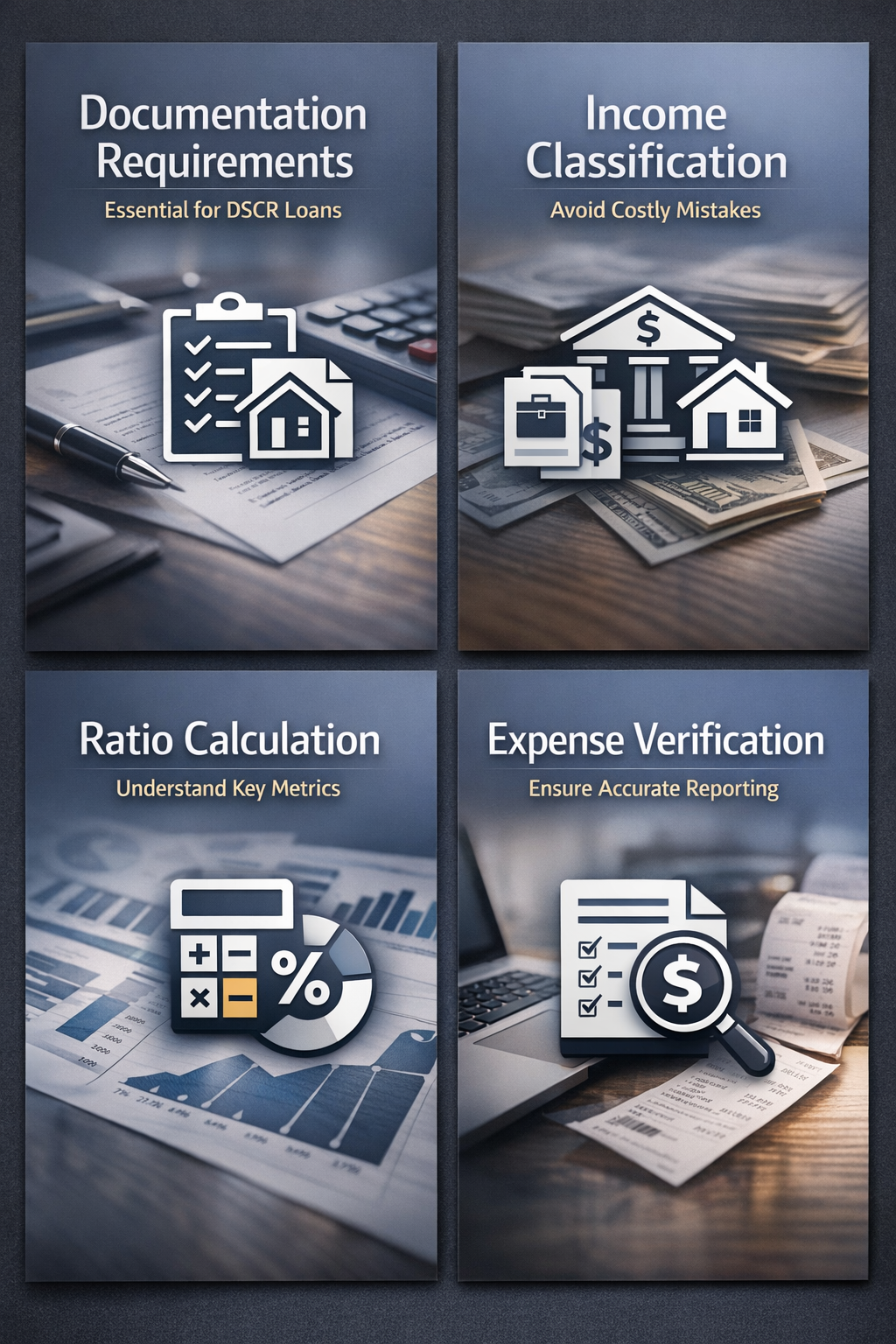
Documentation Requirements You Can't Overlook
Documentation requirements for DSCR loans might seem straightforward, but many investors underestimate the level of detail lenders require. Smart structuring of your financial documentation can streamline the approval process and improve your chances of securing favorable terms.
Property operating statements: Include detailed rent rolls, lease agreements, and vacancy reports that accurately reflect current and projected income
Expense documentation: Provide comprehensive records of property taxes, insurance, maintenance costs, and management fees to avoid expense misreporting
Reserve requirements: Maintain adequate cash reserves as some lenders may accept lower ratios if sufficient reserves are documented
Entity structure paperwork: Ensure LLC or corporate documentation is current and properly reflects property ownership
Income Classification Mistakes That Cost Deals
Income classification mistakes represent one of the most frequent sources of DSCR loan delays. Rent misclassification can significantly impact your debt service coverage ratio calculations and potentially disqualify otherwise viable investment properties.
Market rent vs. actual rent: Understand when lenders use market rent estimates versus actual collected rent for DSCR calculations
Lease term considerations: Short-term rental income may be calculated differently than long-term lease income
Ancillary income sources: Know how to properly document parking fees, storage income, or laundry revenue
Vacancy factor applications: Learn when lenders apply vacancy factors and how this affects your projected income numbers
Ratio Calculation Errors That Sink Applications
Ratio confusion often stems from misunderstanding how different lenders calculate DSCR requirements. The minimum DSCR ratio is usually 1.25, though some lenders may accept lower ratios under specific circumstances.
Gross vs. net income calculations: Verify whether your lender uses gross rental income or net operating income for DSCR calculations
Principal and interest inclusion: Confirm what debt service components are included in the ratio calculation
Property tax and insurance treatment: Understand how property taxes and insurance premiums factor into the debt service calculation
Multiple property portfolios: Know how lenders evaluate DSCR when you're financing multiple properties simultaneously
Step-by-Step Expense Verification Process
Expense verification requires a systematic approach to avoid expense misreporting that can derail your loan application. Following a structured process helps ensure accuracy and completeness.
Gather 12 months of operating expenses: Collect bank statements, receipts, and invoices that document all property-related expenses including maintenance, repairs, and management fees
Categorize expenses properly: Separate recurring expenses like insurance and taxes from one-time capital improvements that may not count toward operating expenses
Calculate accurate expense ratios: Determine your expense-to-income ratio to ensure it aligns with lender expectations and market standards
Document seasonal variations: Explain any seasonal expense fluctuations such as higher utility costs or maintenance expenses during specific months
Income Verification Best Practices for Investors
Income verification best practices help prevent rent misclassification issues that frequently cause underwriting delays. Proper documentation and presentation of rental income can significantly improve your approval timeline.
Provide executed lease agreements: Submit current, signed lease agreements that clearly state rental amounts, terms, and any additional fees or charges
Submit rent rolls with payment history: Include detailed rent rolls showing consistent payment patterns and any collection issues or late payments
Document market rent analysis: Provide comparative market analysis showing how your rental rates align with similar properties in the area
Explain income adjustments: Clearly document any rent increases, lease renewals, or changes in rental terms that affect projected income calculations
Lender Communication Strategies That Work
Effective lender communication strategies can help resolve ratio confusion and other underwriting challenges before they become deal-breakers. Proactive communication often distinguishes successful investors from those who struggle with loan approvals.
Schedule pre-application consultations: Meet with potential lenders before applying to understand their specific DSCR calculation methods and documentation requirements
Provide detailed property narratives: Include written explanations of property improvements, market conditions, and investment strategies that support your loan application
Address potential concerns upfront: Identify and explain any unusual circumstances such as recent vacancies, major repairs, or market fluctuations
Maintain regular status updates: Follow up appropriately during the underwriting process to provide additional documentation or clarification when requested
Key Takeaways for Successful DSCR Applications
Avoiding these 5 costly underwriting misunderstandings requires attention to detail and proactive preparation. Smart structuring of your loan application, combined with accurate documentation and clear communication, can significantly improve your approval odds and help you secure more favorable terms. The current market environment offers opportunities with competitive interest rates, but success depends on presenting a clean, well-documented application that addresses potential lender concerns before they arise. Focus on accuracy in expense reporting, proper rent classification, and clear ratio calculations to streamline your DSCR loan approval process.
Successfully navigating DSCR loan underwriting requires understanding these common pitfalls and preparing accordingly. By addressing expense misreporting, rent misclassification, and ratio confusion proactively, you can position yourself for faster approvals and better loan terms. The key lies in thorough preparation, accurate documentation, and clear communication with your lender throughout the process.
Remember that each lender may have slightly different requirements and calculation methods, so it's worth investing time upfront to understand their specific expectations. With DSCR loan rates currently ranging from 6.00% to 7.50%, now could be an opportune time to secure financing for your next investment property, provided you avoid these costly underwriting misunderstandings.